Choosing a child’s bed can feel surprisingly complex. Space is tight in many UK homes and a whopping over 60 percent of bedrooms in new builds measure less than 10 square metres. You might think picking the right bed is all about the latest designs or fun themes. Actually, how you measure your space and balance storage with safety changes everything. Here’s what parents often overlook when deciding where their child will sleep next.
| Takeaway | Explanation |
|---|---|
| Measure Your Space Effectively | Ensure you measure your room to allow for 60-75 cm of walking space around the bed, considering other furniture placements. |
| Select Age-Appropriate Beds | Choose beds based on your child’s growth stages, such as toddler beds transitioning to single beds, and consider designs that adapt as they grow. |
| Opt for Safety Standards | Make sure beds comply with UK safety standards, including appropriate structural safety for features like bunk beds, ensuring protection against potential hazards. |
| Incorporate Smart Storage Solutions | Look for beds with built-in storage options, such as drawers or compartments, to maximise space in smaller rooms and support organisation. |
| Prioritise Accessibility and Ergonomics | Select designs that facilitate ease of use for children, including lower heights, rounded edges, and soft-close mechanisms to promote independence and safety. |
Choosing the right bed for your child involves more than just picking a design that looks appealing. Understanding bed sizes and how they fit into your room’s space is crucial for creating a comfortable and functional sleeping environment.
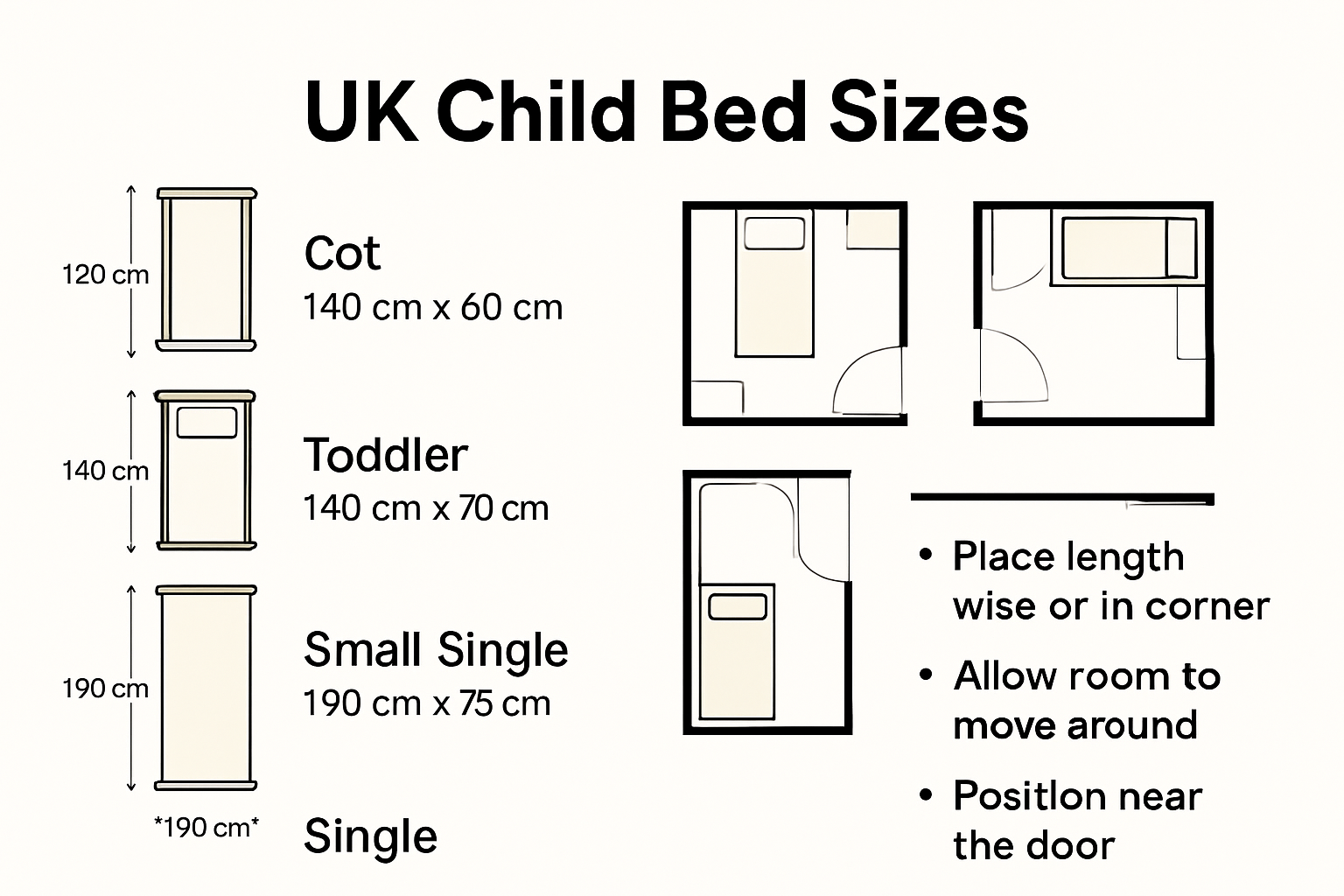
Before selecting a child’s bed, measuring your room becomes a critical first step. The UK’s typical bedroom sizes vary significantly, with many homes featuring compact spaces that require strategic furniture placement. According to space planning experts, you’ll want to leave at least 60-75 cm of walking space around the bed to ensure comfortable movement.
In practice, this means carefully calculating not just the bed’s dimensions, but also accounting for other furniture like wardrobes, desks, and play areas. A small single bed measuring 75cm x 190cm might be perfect for rooms under 10 square metres, while larger rooms can accommodate single beds at 90cm x 190cm with more flexibility.
Children’s bed requirements change rapidly with their growth. Research from Kids Beds Online highlights that transitioning between bed sizes should align with your child’s developmental stages. Toddler beds typically measure 70cm x 140cm, offering a comfortable intermediate step between cots and full single beds.
Consider beds that provide future flexibility. Some designs offer extendable frames or modular configurations that can adapt as your child grows. This approach not only saves money but also provides a consistent sleeping environment during critical developmental years.
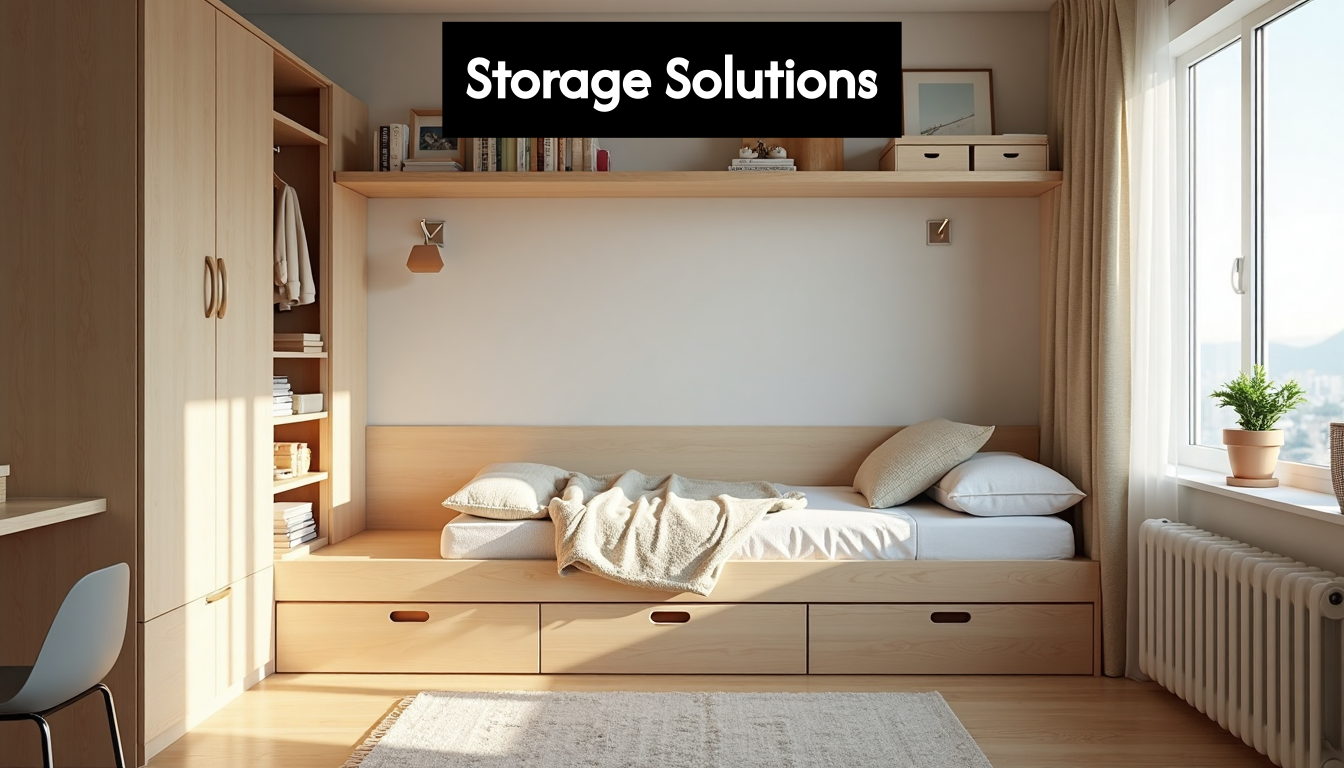
Bed size isn’t just about sleeping space—it’s also about maximising room functionality. Our comprehensive bed size guide recommends exploring options with built-in storage drawers or space underneath for additional storage. Particularly in smaller UK homes, a bed that serves multiple purposes can be a game-changer.
For rooms with limited square footage, consider raised beds or cabin-style designs that incorporate desk spaces or play areas underneath. These multi-functional solutions transform a simple sleeping area into a versatile living space that grows with your child’s changing needs.
Remember, the perfect bed strikes a balance between comfort, room dimensions, and your child’s current and future requirements. Take time to measure carefully, think ahead, and choose a bed that will support your child’s rest and room’s functionality for years to come.
Ensuring a child’s sleeping environment is both safe and comfortable requires careful consideration beyond aesthetic appeal. From mattress selection to bed design, multiple factors contribute to creating a secure and restful space for your little one.
Child bed safety begins with adherence to rigorous UK safety standards. Safety experts recommend that beds must comply with specific regulations such as BS EN 716 for low beds and EN 71-3 for non-toxic finishes. These standards ensure that beds are constructed with materials and designs that minimise potential risks.
Specifically for bunk beds, additional precautions are crucial. The standards mandate guardrails on all sides, with no gaps larger than 7.5 cm and at least 16 cm above the mattress. Our comprehensive bunk bed safety guide provides detailed insights into creating a secure elevated sleeping environment, recommending top bunks only for children aged 6 and above.
The NHS provides critical guidance regarding bedding safety for young children. For infants under one year, pillows and duvets are strongly discouraged due to suffocation risks. Babies cannot independently move bedding away from their faces, making minimalist bedding essential for their safety.
As children grow, bedding transitions become important. Lightweight, breathable materials that regulate temperature and provide adequate support are key. Consider hypoallergenic options that reduce potential allergen exposure and support respiratory health. Mattresses should be firm enough to provide proper spine alignment while remaining comfortable.
Beyond physical safety, a child’s bed should support their developmental needs. Research in paediatric sleep studies indicates that proper sleep environment significantly impacts cognitive development and overall well-being. Choose beds with rounded edges to prevent potential injuries and consider designs that offer flexibility as your child grows.
Storage solutions integrated into bed designs can also enhance room functionality while maintaining safety. Drawers should have soft-close mechanisms and rounded handles to prevent accidental pinching. Raised beds or cabin-style designs can provide additional play or study areas underneath, maximising room potential without compromising safety.
Remember that safety is an evolving consideration. Regularly inspect the bed for any signs of wear, loose fittings, or potential hazards. As your child grows and their physical capabilities change, periodically reassess the bed’s suitability and make necessary adjustments to ensure continued protection and comfort.
Creating a cohesive bedroom design that seamlessly integrates a child’s bed with your home’s overall aesthetic requires thoughtful planning and strategic design choices. The bed is more than just a functional piece—it’s a central element that can define the entire room’s character and atmosphere.
Design experts recommend starting with a sophisticated base palette of neutrals that can be easily transformed as your child grows. This approach allows for flexibility while maintaining a refined look. A neutral bed frame provides a versatile foundation that can be personalised through accessories, bedding, and accent pieces.
Consider your home’s existing colour scheme and architectural style. A minimalist modern home might benefit from a sleek, simple bed design with clean lines, while a more traditional space could accommodate a bed with subtle decorative elements. Our bedroom design guide offers comprehensive insights into creating a harmonious interior that reflects your family’s unique style.
Architectural trends for 2025 emphasise multifunctional spaces that adapt to changing family needs. Choose bed designs that offer versatility—such as models with built-in storage or modular configurations that can be reconfigured as your child grows. Raised beds or cabin-style designs can integrate study areas or play spaces, maximising room functionality without compromising aesthetic appeal.
Headboards play a crucial role in defining a bed’s visual character. Our comprehensive headboard guide explores how different styles can complement various interior design themes. From upholstered options with heritage patterns to minimalist wooden designs, the right headboard can tie the entire room together.
Personalisation doesn’t mean sacrificing style. Introduce character through carefully chosen accessories that can be easily updated. Removable wall decals, artwork, and bedding can add playful elements without permanently altering the room’s core design. This approach allows the space to evolve with your child’s changing interests while maintaining a sophisticated overall aesthetic.
Texture and material selection are equally important. Consider beds with natural wood finishes that can complement various design styles, or opt for upholstered frames that add warmth and softness to the room. The key is creating a balance between durability, comfort, and visual appeal.
Remember that a child’s bedroom is a dynamic space. The most successful designs anticipate change, offering flexibility that grows with your family. By carefully selecting a bed that balances functionality, comfort, and aesthetic appeal, you can create a space that delights both children and parents alike.
Selecting a child’s bed involves more than just choosing an attractive design. In modern homes where space is at a premium, beds must offer practical features that support storage, accessibility, and a child’s ongoing growth and development.
Bedroom design experts emphasise the critical importance of integrated storage in children’s bedroom furniture. Beds with built-in drawers, shelves, and hidden compartments transform sleeping spaces into versatile, organised environments. Under-bed storage can accommodate everything from seasonal clothing to toys and study materials, maximising every square centimetre of available space.
Our comprehensive storage bed guide highlights how strategic storage solutions can dramatically improve room functionality. Consider beds with pull-out drawers, lifting mattress bases, or modular shelving units that adapt to your child’s changing needs. These designs not only provide practical storage but also teach children valuable organisational skills.
Furniture specialists recommend investing in beds with convertible or adjustable features that can grow alongside your child. Beds with extendable frames, removable side rails, or modular designs offer long-term value, eliminating the need for frequent replacements as your child develops.
Look for beds that can transition from toddler to junior configurations, potentially incorporating study areas or additional storage as your child’s needs evolve. Some innovative designs feature adjustable mattress heights, removable safety barriers, and configurable layouts that can be modified as your child grows from early childhood through teenage years.
Accessibility goes beyond simple storage. Consider beds with features that support independence and ease of use for children. Lower bed heights for younger children, sturdy step mechanisms for raised or bunk beds, and smooth-gliding drawers can make a significant difference in daily usability.
Ergonomic design is crucial. Rounded edges, soft-close drawer mechanisms, and lightweight storage solutions ensure both safety and ease of use. Pay attention to handle designs, drawer depths, and overall accessibility. A well-designed bed should encourage children to manage their own space, fostering a sense of responsibility and independence.
Remember that the most effective children’s beds are those that anticipate change. By selecting furniture that offers flexibility, smart storage, and thoughtful design, you create a space that supports your child’s growth, organisation, and independence. The right bed is an investment in your child’s development and your home’s functionality.
Choosing the right bed size depends on the room’s dimensions and your child’s age. For small rooms, consider single beds measuring 75cm x 190cm or 90cm x 190cm for larger spaces. Always measure your space to allow for 60-75 cm of walking space around the bed.
To ensure safety, look for beds that comply with UK safety standards, such as BS EN 716 for low beds. For bunk beds, ensure guardrails are fitted, with gaps no larger than 7.5 cm, and that they are only suitable for children aged 6 and above.
Opt for beds with built-in storage options, such as drawers or compartments, to maximise space. Ergonomic designs with rounded edges and lower heights for accessibility are also important to promote safety and independence.
Select beds with adjustable features or modular designs that can transition from toddler to junior sizes. Options like extendable frames and removable side rails allow the bed to adapt as your child grows, saving you money in the long run.
After reading about the importance of choosing the right size, safety features and smart storage for your child’s bed, you might feel the pressure of finding a solution that truly fits your unique space and your child’s needs. Many parents worry about cramped rooms, messy storage or beds that just do not keep up with their child’s growth. You want a bed that combines fun and function, matches your home’s style and most of all, feels safe and durable each night.
From practical single frames to creative bunk beds and everything in between, our kids’ beds collection is designed to solve these very challenges. Discover beds with built-in drawers, extendable frames and thoughtful details for peace of mind. Take the stress out of shopping by exploring our full range or head straight to Next Day Delivery Beds if you need an upgrade fast. Whether you are after clever storage or a bed that promises years of use, we have the answers.
Let your child enjoy a restful, organised and inspiring bedroom this year. Visit Number One Beds now and take the first step toward creating a space your whole family loves. The right bed choice today means sweeter dreams and simpler mornings tomorrow!
