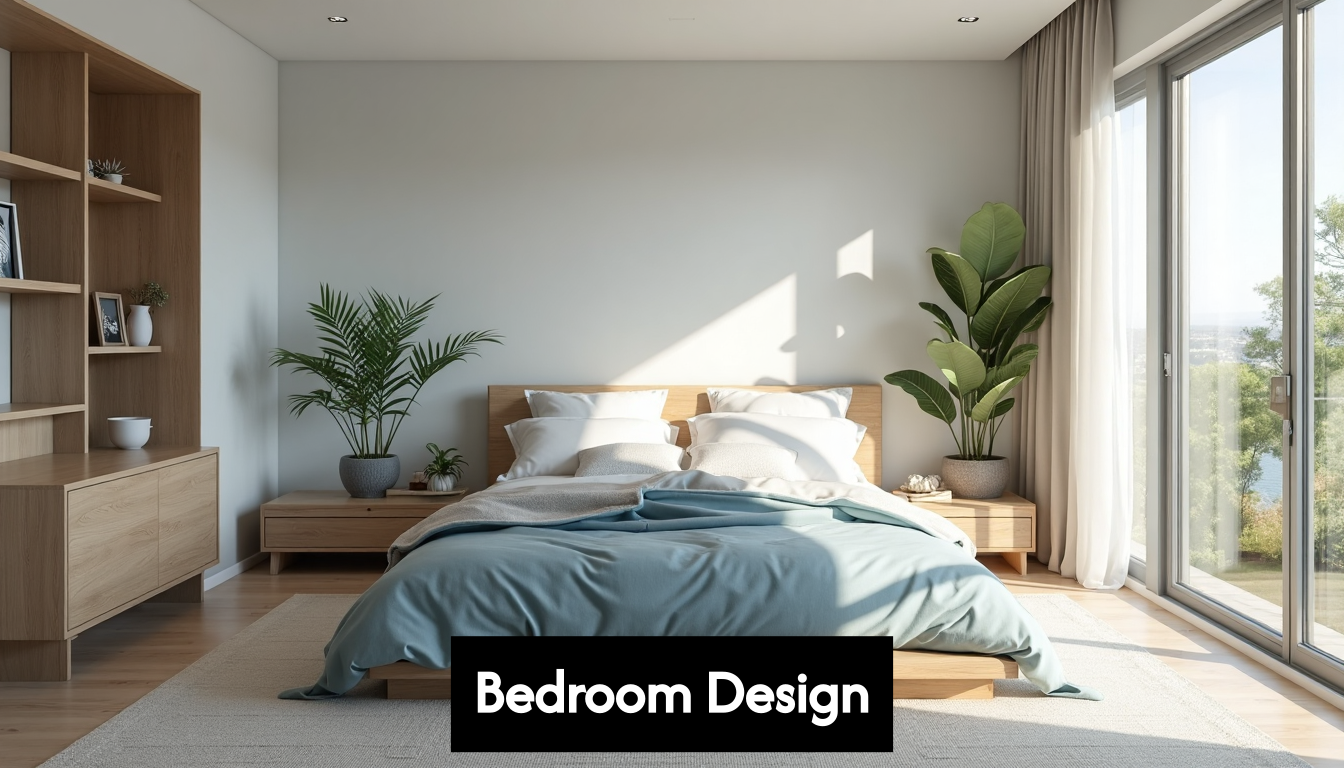
Bedroom design is getting a clever makeover for 2025. Nearly half of Brits now say bedroom comfort and sleep quality are their top renovation goals. Here is the twist. While most people obsess over furniture trends and splashy decor, the smallest changes in colour and lighting can actually transform your mood and health more than any expensive bed ever could. Get ready for ideas that feel miles away from the ordinary.
| Takeaway | Explanation |
|---|---|
| Maximise vertical storage | Use wall-mounted shelves and multifunctional furniture like ottoman beds and storage benches to optimise space in small bedrooms. |
| Choose calming colours | Select soft blues, gentle greens, or muted lavenders to create a serene atmosphere that promotes relaxation and better sleep quality. |
| Layer lighting thoughtfully | Implement ambient, task, and accent lighting with dimmer switches to adjust the mood, and maximise natural light for a vibrant space. |
| Focus on ergonomic design | Ensure furniture placement allows for clear pathways and comfort, selecting ergonomic furniture to support physical wellbeing and restful sleep. |
| Integrate holistic technology | Use smart lighting systems to mimic natural circadian rhythms and create technology-free zones to maintain a restful environment. |
Small bedrooms can feel restrictive, but with clever design strategies, you can transform even the most compact spaces into functional, comfortable retreats. The key lies in understanding how to maximise every square centimetre without compromising on style or comfort.
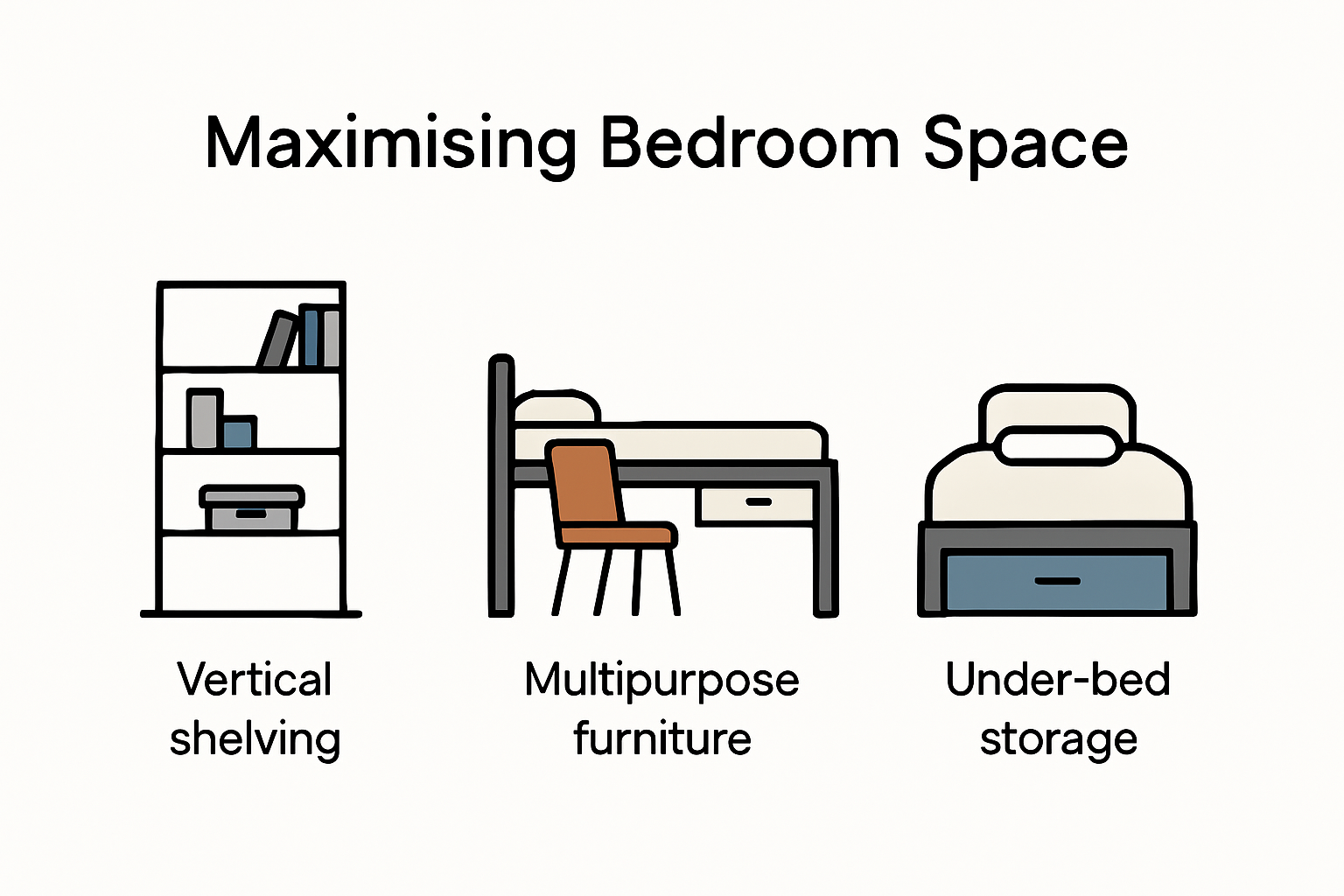
Storage is the cornerstone of space optimisation. Vertical storage becomes your best ally in smaller bedrooms. Consider wall-mounted shelves that reach upwards, utilising often-forgotten wall space. These can store books, decorative items, and personal mementoes without consuming precious floor area.
Bed selection plays a critical role in space management. Learn more about innovative storage solutions that integrate seamlessly into your bedroom design. Ottoman beds and divan beds with built-in drawers offer substantial hidden storage, allowing you to stash bedding, seasonal clothing, and extra linens without cluttering your living space.
Multifunctional furniture represents another intelligent approach. A bedside table with multiple drawers, a bench with internal storage, or a desk that folds away when not in use can dramatically increase your room’s usable space. These pieces serve dual purposes, reducing the need for additional furniture and keeping your bedroom feeling open and uncluttered.
The visual perception of space matters as much as actual square footage. Light colours create an illusion of openness, so consider painting walls in soft neutrals or pastel tones. Mirrors strategically placed can reflect light and make a room feel significantly larger. A large mirror opposite a window can effectively double the perceived space and brighten the entire room.
Choose furniture with slim profiles and legs that raise pieces off the ground. This creates a sense of airiness and allows light to flow underneath, making the room feel more spacious. Transparent or glass furniture can also contribute to this effect, creating visual breathing room.
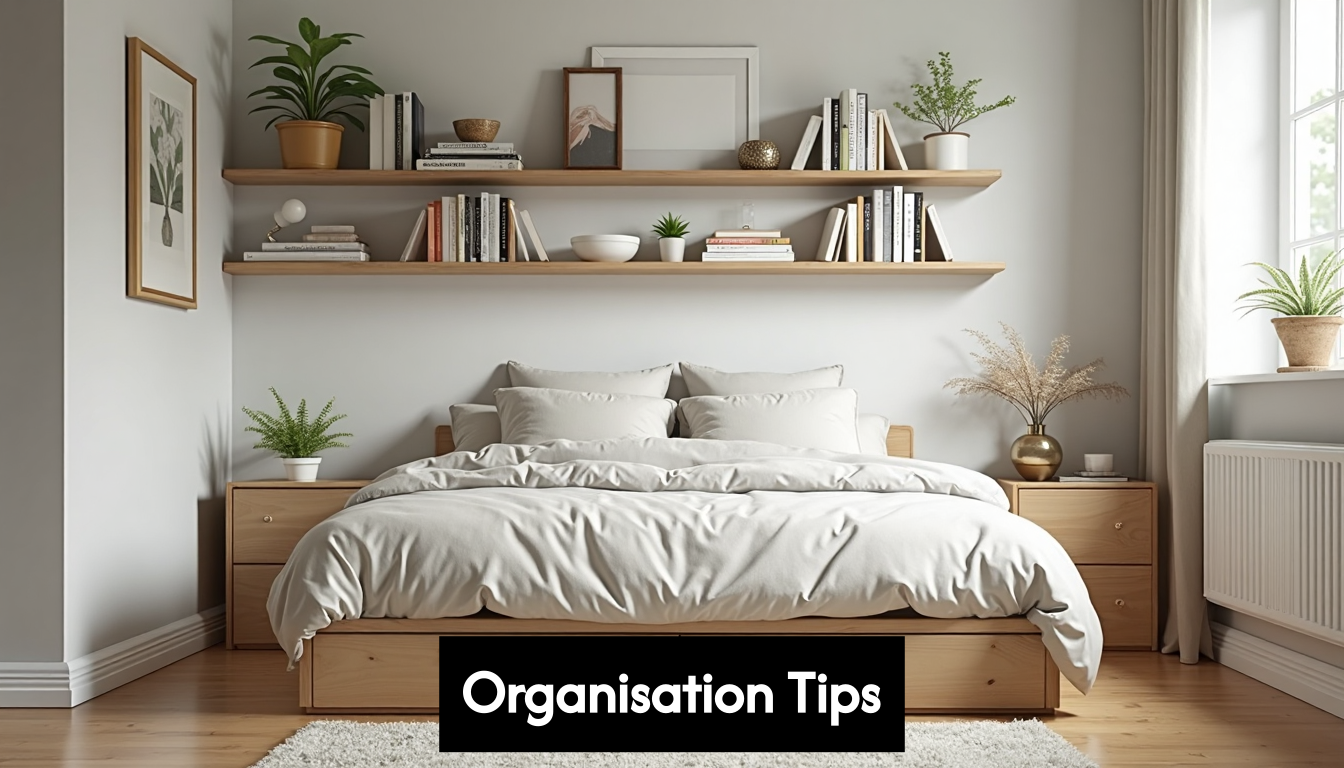
Adopting a minimalist approach doesn’t mean sacrificing personality. Instead, it means being intentional about what you keep and how you store it. Implement a strict “one in, one out” rule for clothing and accessories. Use vacuum storage bags for bulky items like winter coats, compressing them into compact packages that can be stored under the bed or in high cupboards.
Digital solutions can also help reduce physical clutter. Scan important documents, use cloud storage for photographs, and consider digital subscriptions instead of physical media. These small changes can significantly reduce the physical items you need to store.
Remember, maximising bedroom space is about working smarter, not harder. Every piece of furniture, every storage solution, should serve a purpose while contributing to an overall sense of calm and organisation. With thoughtful design and strategic choices, even the smallest bedroom can become a comfortable, functional sanctuary that feels spacious and inviting.
Colour and lighting are the silent architects of bedroom atmosphere, transforming a simple space into a personal sanctuary. These elements do more than merely decorate a room they influence mood, perception, and overall comfort.
Colour selection goes far beyond aesthetic preference. Each hue carries psychological implications that can significantly impact your emotional state and sleep quality. Calming colours like soft blues, gentle greens, and muted lavenders create a serene environment conducive to relaxation and restful sleep.
Neutral tones provide remarkable versatility in bedroom design. Warm greys, soft taupe, and creamy whites offer a sophisticated backdrop that can be easily personalised with accent pieces. These colours create a sense of spaciousness and tranquility, making them ideal for bedrooms of all sizes.
For those seeking a more dynamic approach, consider creating an accent wall. A deep, rich colour like navy blue or forest green can add depth and character without overwhelming the entire space. Explore our guide on colour psychology to understand how different hues can transform your sleeping environment.
Lighting is a critical yet often overlooked aspect of bedroom design. Layered lighting provides flexibility and creates a nuanced atmosphere. Start with ambient lighting that provides overall illumination, then incorporate task lighting for reading or specific activities, and finally add accent lighting to highlight architectural features or artwork.
Dimmer switches offer incredible versatility, allowing you to adjust lighting intensity according to time of day and mood. Morning lighting can be bright and energising, while evening settings can create a soft, relaxing glow that signals your body it is time to wind down.
Natural light remains the gold standard for bedroom illumination. If possible, maximise window exposure and use light, translucent curtains that allow sunlight to filter through while maintaining privacy. Mirrors strategically placed can amplify natural light, making the room feel larger and more vibrant.
Modern lighting technology provides unprecedented control over bedroom ambiance. Smart bulbs that can change colour temperature and intensity offer unprecedented flexibility. Cool white light promotes alertness during morning routines, while warmer tones support relaxation in the evening.
Consider the colour rendering index (CRI) when selecting light bulbs. Higher CRI ratings mean colours appear more natural and vibrant. LED lights with a CRI of 90 or above can make your bedroom colours look more true to life, enhancing the overall visual experience.
Position lighting thoughtfully. Bedside lamps should provide sufficient reading light without creating harsh shadows. Wall-mounted reading lights offer a sleek, space-saving alternative to traditional table lamps, particularly in smaller bedrooms.
Remember that lighting and colour work in harmony. A well-chosen colour palette can be dramatically enhanced or diminished by lighting type and placement. Experiment with different combinations to create a bedroom that not only looks beautiful but feels perfectly tailored to your personal comfort and style.
Creating a comfortable bedroom goes beyond selecting attractive furniture. It requires thoughtful planning, understanding ergonomics, and designing a space that supports both physical relaxation and mental well-being.
The fundamental principle of bedroom layout is creating clear pathways and maintaining a sense of balance. Ensure at least 75 centimetres of walking space around the bed, allowing easy movement without feeling cramped. Position your bed to face the door but not directly in line with it a design concept known as the “command position” in spatial arrangement theories.
Bed positioning significantly impacts room functionality. Place the bed against a solid wall to provide a sense of security and stability. Avoid positioning the bed under windows, which can create drafts and disrupt your sleep environment. Check out our guide on creating a cosy sleeping space for more detailed recommendations.
Multifunctional furniture becomes crucial in modern bedrooms. A nightstand with drawers, a bench with storage, or a desk that folds away can maximise space while maintaining a clean, uncluttered aesthetic. Select pieces that serve multiple purposes without overwhelming the room’s visual harmony.
Every bedroom should have distinct areas for different activities. Create a reading nook with a comfortable chair and good lighting, or a small workspace that can be tucked away when not in use. These dedicated zones help compartmentalise your bedroom’s functions, making the space feel more organised and purposeful.
Consider the psychological impact of furniture arrangement. Symmetrical layouts tend to create a sense of calm and order, while asymmetrical designs can add visual interest. Balance is key. If you place a large wardrobe on one side of the room, counterbalance it with a similarly sized piece on the opposite side to maintain visual equilibrium.
Texture plays a significant role in comfort. Incorporate soft furnishings like plush rugs, cushioned headboards, and throw blankets to create layers of tactile comfort. These elements not only enhance visual warmth but also provide physical comfort and sound absorption.
Furniture selection should prioritise both form and function. Choose pieces with clean lines and proportions that match your room’s dimensions. In smaller bedrooms, opt for furniture with raised legs to create a sense of spaciousness. Lighter coloured furniture can also help make the room feel more open and airy.
Consider the material composition of your furniture. Wooden pieces with rounded edges can soften a room’s appearance, while metal frames provide a more contemporary feel. Mix textures and materials thoughtfully to create depth and visual interest.
Ergonomic considerations extend to every piece of furniture. Select a mattress that supports your specific sleeping position, choose a chair with proper lumbar support, and ensure bedside tables are the right height for comfortable access.
Remember that comfort is deeply personal. While design principles provide guidance, your bedroom should ultimately reflect your individual style and needs. Experiment with layouts, be willing to adjust, and create a space that feels like a true sanctuary of relaxation and personal expression.
In 2025, bedroom design transcends aesthetics, focusing increasingly on holistic wellbeing. Your sleeping environment directly impacts mental and physical health, transforming the bedroom from a mere resting space into a comprehensive wellness sanctuary.
The psychology of space plays a crucial role in emotional wellness. Create a calm neurological environment by minimising visual clutter and selecting design elements that promote psychological relaxation. Soft, muted colour palettes with gentle transitions can significantly reduce stress and anxiety.
Natural materials contribute substantially to emotional regulation. Incorporate wood, cotton, linen, and wool textures that provide tactile comfort and create a sensory connection with natural environments. These materials not only look appealing but also help regulate body temperature and promote a sense of groundedness.
Explore our headboard styles that support relaxation and contribute to a restful atmosphere. The right headboard can provide psychological security and visual anchoring in your bedroom space.
Ergonomic design is fundamental to physical wellbeing. Select mattresses and pillows that support proper spinal alignment, reducing potential muscular and joint strain. Consider your specific sleep position and potential health conditions when choosing bedroom furniture.
Air quality represents an often-overlooked aspect of bedroom wellness. Introduce air-purifying plants like snake plants, lavender, or peace lilies that naturally filter toxins and release oxygen. Ensure proper ventilation and consider air purification technologies that reduce allergens and improve overall respiratory health.
Temperature regulation significantly impacts sleep quality. Maintain bedroom temperatures between 16-18 degrees Celsius, which scientific research suggests is optimal for restful sleep. Use breathable bedding materials that adapt to body temperature, preventing night sweats and promoting uninterrupted sleep cycles.
Technology in bedroom design now focuses on supporting rather than disrupting wellness. Smart lighting systems can mimic natural circadian rhythms, gradually changing colour temperature to support your body’s natural wake-sleep cycle. These systems help regulate melatonin production, improving sleep quality and daytime alertness.
Minimise electromagnetic interference by creating technology-free zones. Position electronic devices away from the bed and consider using blue light filtering screens or dedicated charging stations outside the bedroom. This approach helps maintain the bedroom as a sacred space for rest and recovery.
Personalisation remains key in wellbeing-focused design. Your bedroom should reflect your individual relaxation needs. Whether through personalised aromatherapy diffusers, carefully curated artwork, or adaptive comfort technologies, create a space that feels intrinsically supportive of your unique wellness journey.
Remember that wellbeing is not a destination but a continuous process. Your bedroom should evolve with your changing physical and emotional needs, serving as a dynamic sanctuary that nurtures and supports your holistic health.
Utilise vertical storage solutions like wall-mounted shelves and multifunctional furniture such as ottoman beds and storage benches to make the most of limited space.
Soft blues, gentle greens, and muted lavenders are recommended for creating a serene atmosphere that promotes relaxation and better sleep quality.
Incorporate layered lighting with ambient, task, and accent lights. Using dimmer switches allows you to adjust the mood, and maximising natural light can make the space feel more vibrant.
Select furniture that allows at least 75 centimetres of walking space around the bed and choose pieces that support comfort and body alignment, such as mattresses and chairs designed for proper lumbar support.
Looking to turn your bedroom into a sanctuary that balances space, style, and wellbeing? Many readers of our 2025 design guide are aiming for comfort, practical storage, and a calming atmosphere yet feel limited by cramped rooms or outdated furniture. If you want to make every square centimetre count while improving your sleep quality, the right furniture is your foundation. Choosing multifunctional beds and space-saving headboards can help you achieve the minimalist look and serene feel you crave.
Discover Beds That Transform Small Bedrooms
Feel the difference with furniture that is designed for sleep and style. Whether you are searching for clever headboards or browsing for a statement piece, visit Number One Beds and bring your 2025 bedroom ideas to life today. Transform your space now for better nights and brighter mornings.
