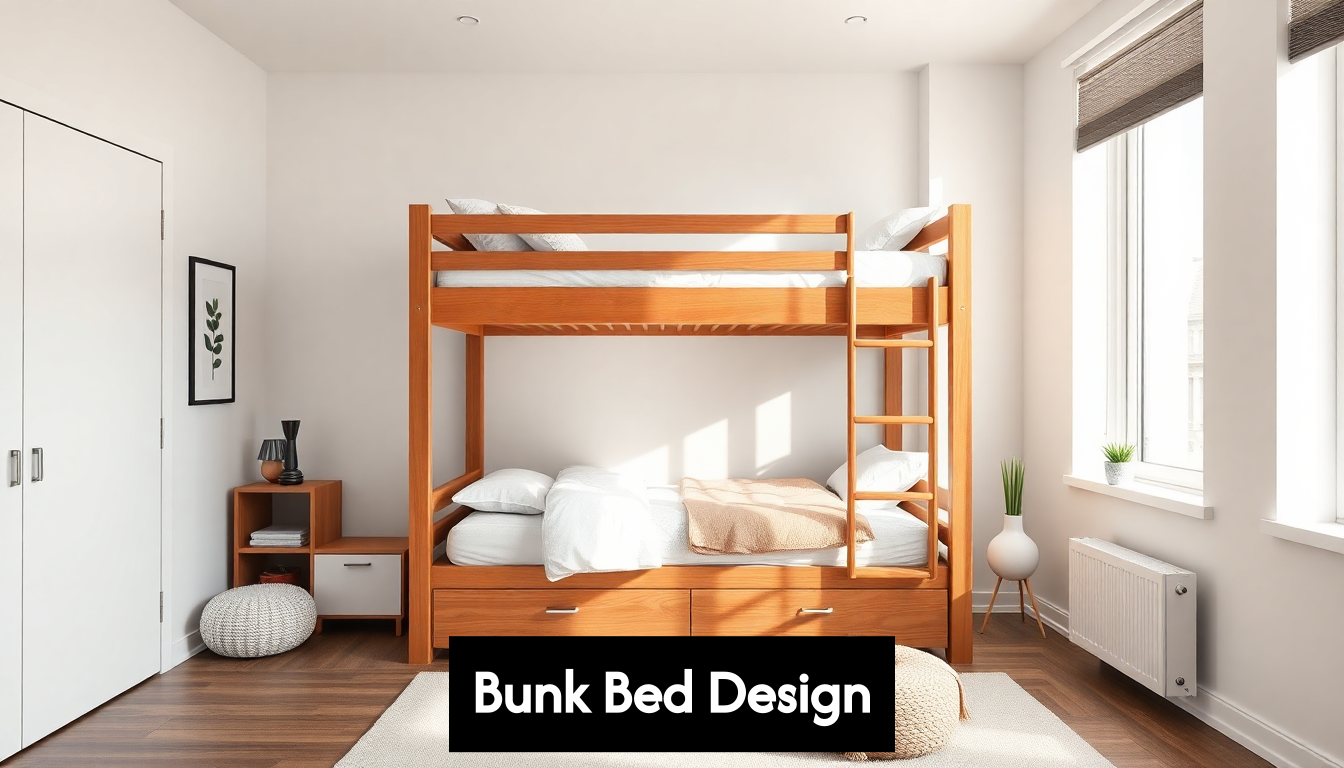
Bunk bed design is now a game-changer for compact living. With multi-functional features becoming essential, these beds are breaking away from their traditional roles. But here’s the twist: they are not just for kids anymore. Today’s bunk beds are transforming into stylish solutions for all ages, featuring built-in desks and impressive storage options that meet modern needs. This means you can maximise space while adding elegance to your home.
| Takeaway | Explanation |
|---|---|
| Multi-Functional Designs Are Essential | Modern bunk beds now incorporate features like built-in storage and integrated workspaces, catering to the needs of compact living spaces by maximizing functionality. |
| Bunk Rooms Are Gaining Popularity | The concept of bunk rooms is increasingly sought after in holiday homes, allowing for versatile guest accommodations and family gatherings. |
| Safety Is Paramount | Important considerations include adhering to safety standards, ensuring proper height clearance, and selecting appropriate mattresses to minimise risks associated with bunk beds. |
| Built-Ins Offer Space Efficiency | Built-in bunk beds can utilise wall space and include custom storage options, eliminating unnecessary furniture and optimising the room layout. |
| DIY Customisation Enhances Uniqueness | A DIY approach allows for personalized bunk bed designs tailored to specific spatial requirements, aesthetic preferences, and practical needs, such as incorporating multifunctional elements. |
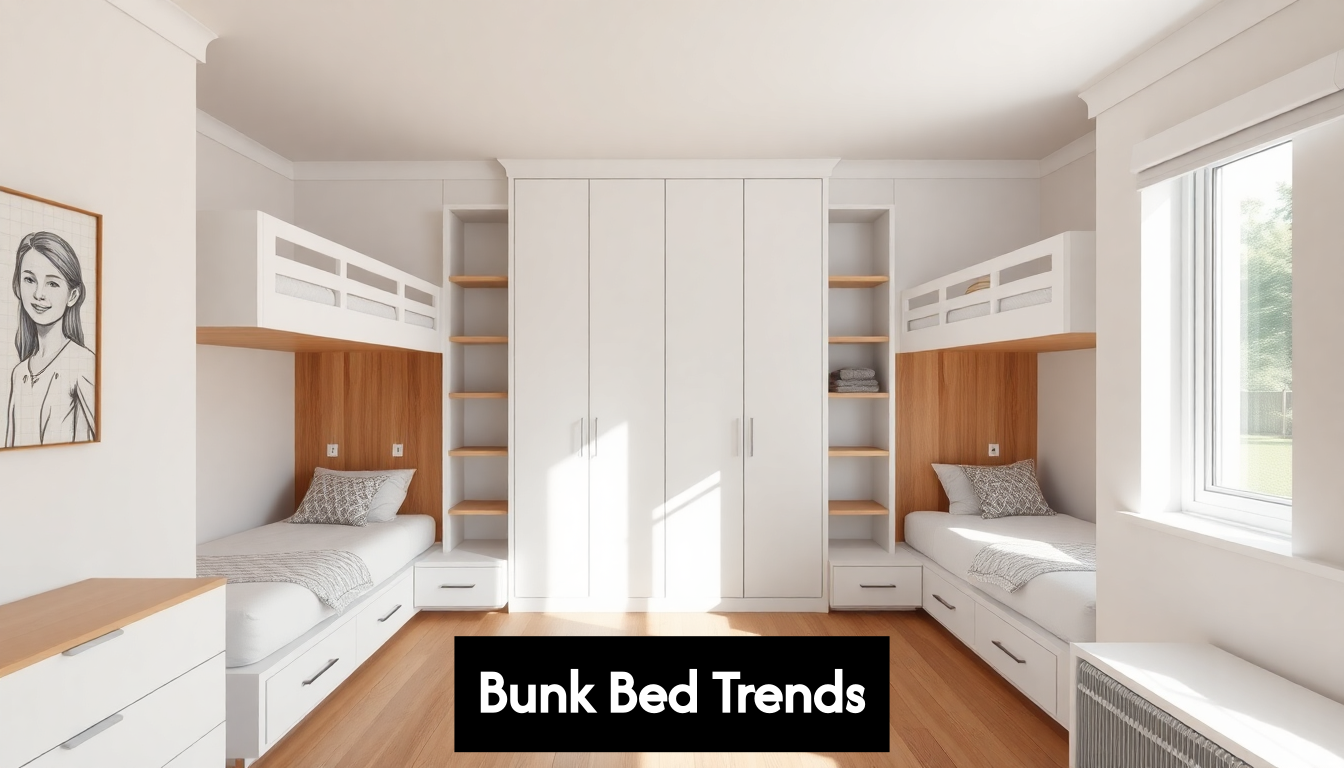
The landscape of bunk bed design has evolved dramatically in recent years, with 2025 bringing some of the most innovative and practical trends we’ve seen. Gone are the days when bunk beds were simply stacked sleeping spaces. Today’s designs reflect changing lifestyles, smaller living spaces, and the growing need for furniture that serves multiple purposes.
Perhaps the most significant shift in bunk bed design is the emphasis on multi-functionality. According to Loft Store, multi-functional designs are dominating the 2025 bunk bed market, with features like built-in storage, integrated study desks, and space-saving solutions becoming essential for modern homes. These adaptable pieces transform what was once simply a bed into a comprehensive living solution.
Many contemporary bunk beds now feature:
This evolution addresses the reality of shrinking home sizes in urban areas, where every square metre must work harder. Children’s bedrooms, in particular, need to function as sleep spaces, play areas, and study zones all at once.
Interestingly, bunk beds are no longer confined to children’s rooms. The concept of “bunk rooms” has gained tremendous popularity, especially in holiday homes and rental properties. Designer Janelle B. Photopoulos notes in House Beautiful that bunk rooms are increasingly requested by homeowners, particularly in vacation homes, as they offer versatile accommodations while creating opportunities for meaningful family memories.
These bunk rooms often feature multiple sets of beds, sometimes accommodating four to eight people in a single room. They’ve become the perfect solution for hosting extended family gatherings, children’s sleepovers, or maximising guest capacity in holiday lets.
The visual appeal of bunk beds has undergone a significant transformation as well. The 2025 design trends for children’s bedrooms emphasize simplicity, coziness, and a minimalist approach, incorporating Scandinavian, eco-friendly, and high-tech styles to create functional and beautiful spaces, according to Lushome.
Today’s trending bunk bed designs include:
Scandinavian Influence: Clean lines, natural wood finishes, and minimalist silhouettes characterise this enduringly popular style. These designs often feature light timber tones and simple, understated forms that integrate seamlessly with various interior styles.
Industrial Chic: Metal frames with raw or powder-coated finishes offer durability while adding an urban edge to bedroom décor. These designs often incorporate pipe-like structures and mesh or perforated metal elements.
Custom Built-ins: Architecturally integrated bunk beds that appear as part of the room’s structure rather than standalone furniture pieces are increasingly popular. These custom solutions maximise space efficiency while creating a cohesive, thoughtful look.
As environmental consciousness grows, so does the demand for sustainably crafted bunk beds. Manufacturers are responding with eco-friendly materials including:
These sustainable practices don’t just appeal to environmentally conscious parents but also create healthier sleep environments for children by reducing exposure to potentially harmful chemicals often found in traditional furniture manufacturing.
The modern bunk bed landscape offers an exciting array of options for families, property developers, and interior designers alike. From space-saving solutions for compact city flats to statement pieces in luxury holiday homes, today’s bunk bed design ideas reflect our evolving living patterns and priorities, proving that practical furniture can also be beautiful, sustainable, and genuinely innovative.
In today’s world where living spaces are becoming increasingly compact, especially in urban areas, the clever utilisation of available space has become paramount. Bunk bed designs have evolved significantly to address this challenge, offering innovative solutions that maximise floor space without compromising on comfort or style.
One of the most effective space-saving approaches is the built-in bunk bed concept. According to Fine Home Building, built-in bunk beds are increasingly popular in modern design, offering maximum space efficiency through integrated features like headboards, bookshelves, and under-bed storage. These designs eliminate the need for box springs while making cleaning easier compared to freestanding beds.
Built-in bunks essentially become part of the architecture, utilising wall space that would otherwise remain unused. This approach is particularly effective for rooms with awkward layouts or unusual ceiling heights. The seamless integration creates a cohesive look while freeing up precious floor space for other activities.
What makes built-ins particularly appealing is their adaptability to custom dimensions. Unlike standard manufactured bunk beds, built-ins can be tailored to fit any space perfectly. This customisation extends to the integration of storage solutions, which can be designed to address specific needs—from clothing storage to book collections or toy organisation.
The traditional vertically stacked bunk bed design is just the beginning. Today’s space-saving solutions include a variety of configurations designed to maximise both sleeping capacity and floor space.
Versatile custom-designed bunks can be made to fit any room regardless of ceiling height, with options including twin bunks over double or queen beds, perpendicular configurations, and even banks of four beds built into walls. According to Fine Home Building, these adaptable designs can accommodate up to eight beds in vacation homes, making them ideal for holiday properties or large families.
L-shaped arrangements, where beds are positioned perpendicular to each other rather than directly stacked, offer another clever solution. This configuration creates a natural nook beneath the top bunk, perfect for incorporating a desk, play area, or additional storage. It’s particularly suitable for siblings with different schedules or for rooms that need to accommodate both sleep and study.
For truly tight spaces, there’s the loft bed concept—essentially a bunk bed without the lower bunk, leaving the entire floor area beneath open for other uses. This arrangement allows for a complete living area beneath, potentially incorporating a sofa, desk, storage, or even a small play area.
The modern space-saving bunk bed goes beyond simply providing places to sleep. Advanced bunk bed designs now include integrated multi-functional elements, as highlighted on Dezeen, such as fold-out desks for homework, creating not just sleeping spaces but complete functional areas in compact rooms.
Other innovative integrated features include:
These multi-functional elements transform bunk beds from simple sleeping solutions into comprehensive space management systems, particularly valuable in studio flats, children’s bedrooms, or guest rooms that must serve multiple purposes.
Beyond physical space management, clever bunk bed designs can create the illusion of more space through thoughtful design elements. Light colours and minimalist frames can make a room appear larger, while transparent materials like acrylic or glass for guards and accessories reduce visual bulk.
Reflective surfaces integrated into the design—whether through glossy finishes or actual mirrors—can amplify light and create a greater sense of spaciousness. Similarly, bunk beds positioned to preserve sightlines to windows maintain a connection to the outdoors, preventing rooms from feeling cramped or closed in.
The evolution of space-saving bunk bed design demonstrates that limited square footage doesn’t have to mean limited functionality or style. Through clever engineering, customisation, and multi-purpose integration, bunk beds have transformed from simple stacked sleeping arrangements into sophisticated space management solutions suitable for various living situations.
Creating a custom bunk bed can be an incredibly rewarding project that allows you to tailor the design precisely to your space, needs, and aesthetic preferences. Whether you’re working with limited dimensions or simply want something unique that can’t be found in shops, a DIY approach offers flexibility and potentially significant cost savings.
Before picking up any tools, thorough planning is essential. Start by carefully measuring your space, paying particular attention to ceiling height, which will determine the maximum height of your bunk bed. Allow at least 30-36 inches between the top bunk mattress and the ceiling to prevent that cramped feeling and reduce the risk of bumped heads.
Next, consider who will be using the beds and for how long. If you’re building for growing children, designing with adaptability in mind can extend the usable life of your creation. Some forward-thinking designs even allow for eventual separation into two standalone beds when sharing a room is no longer necessary.
Sketch your design thoroughly, considering all dimensions and how each component will fit together. There are numerous free plans available online that can serve as starting points for your customisation. If you’re not confident in your design skills, modifying an existing plan is often easier than starting from scratch.
When building a DIY bunk bed, safety should be your primary concern. This begins with selecting appropriate materials.
According to Young House Love, building DIY built-in bunk beds for small spaces can be achieved by constructing floating platforms with modern wood railings. They recommend starting with a 2×4″ frame that fits wall-to-wall and adding cross bracing approximately every 12 inches for adequate support. This approach creates a sturdy foundation that’s essential for safety.
For freestanding bunk beds, 2×4 or 2×6 lumber is typically used for the frame, while plywood provides support for the mattresses. When choosing lumber, look for straight pieces without significant knots or splits, as structural integrity is paramount.
When it comes to joinery, there are several approaches:
Whichever method you choose, reinforce all joints carefully, as bunk beds must withstand not just weight but also the dynamic forces of children climbing and movement during sleep.
A DIY approach allows you to incorporate space-saving elements tailored specifically to your needs. Trend Hunter highlights the Sleep and Study bunk bed model as an excellent example, combining essential furniture pieces by placing a bed above a workspace to maximize otherwise wasted air space while incorporating storage solutions for books and supplies.
Similarly, Dallas Pro List notes that loft bed designs for small rooms create multifunctional spaces by elevating the sleeping area while freeing up floor space below for other purposes such as study stations with desks and shelves, making them ideal for students or creative minds working in compact environments.
Other space-maximising features to consider including in your DIY design:
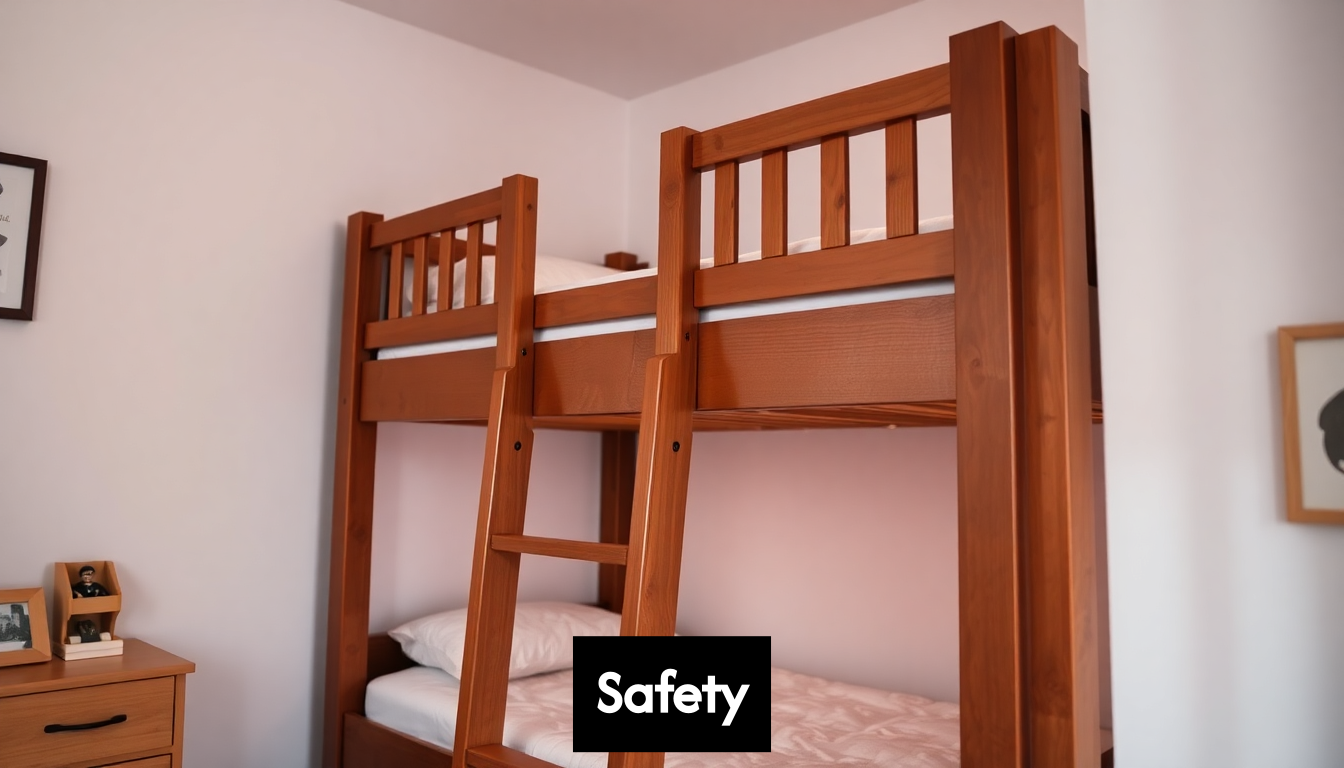
Safety cannot be overstated when building bunk beds, especially for younger children. Industry standards recommend guardrails on all sides of the top bunk, with the exception of the side against a wall. These rails should extend at least 5 inches above the mattress to prevent rolling off.
The gap between the lower edge of the guardrail and the bed frame should be no larger than 3.5 inches to prevent entrapment. Similarly, any decorative cutouts should be sized to prevent a child’s head from becoming stuck.
Ladders or stairs should be securely attached and positioned to allow easy, safe access to the top bunk. If designing for younger children, consider a slightly angled ladder with wider steps for easier climbing.
The beauty of a DIY project lies in the personalisation. Once the structure is complete, the finishing stage offers endless opportunities for customisation:
With careful planning, quality materials, and attention to safety details, a DIY bunk bed project can create a unique sleeping solution perfectly tailored to your space and needs. Beyond the practical benefits, there’s the immense satisfaction of creating something with your own hands that your children or guests will enjoy for years to come.
While bunk beds offer fantastic space-saving benefits and exciting design possibilities, they also come with important safety and practical considerations that should never be overlooked. Understanding these factors is crucial whether you’re purchasing a manufactured bunk bed or embarking on a DIY project.
One of the most important safety considerations is the age of the intended users. According to a study published in the National Library of Medicine, caregivers should prevent the youngest children from using upper bunks or ladders, as pediatric head trauma from falls is a significant risk. The same study noted that between 1990 and 1999, there were 91 reported bunk bed-related deaths in the United States.
Most safety experts and manufacturers recommend that children under six years of age should not use the top bunk. Young children lack the coordination and awareness to safely navigate the height of bunk beds, particularly during nighttime bathroom trips or when sleepy. Even for older children, proper guidance about safe usage is essential.
Manufactured bunk beds must adhere to strict safety standards. The U.S. Consumer Product Safety Commission has established a federal safety standard for bunk beds that specifically addresses risks of child entrapment, which result in an estimated 10 child fatalities per year. This underlines the necessity of compliance with regulated safety features for both adult and child designs worldwide.
When purchasing a bunk bed, look for certification that it meets these safety standards. If you’re building your own, familiarise yourself with these requirements and incorporate them into your design. Key safety features include:
Beyond the bed itself, the room environment plays a crucial role in bunk bed safety. Ceiling height is particularly important—there should be enough clearance for the person on the top bunk to sit up without hitting their head. As a general rule, aim for at least 30-36 inches between the top mattress and ceiling.
Ceiling fixtures present another consideration. Ceiling fans pose an obvious hazard to top bunk occupants, while light fixtures might be accidentally broken or could cause burns if touched. Consider recessed lighting if your ceiling height is limited.
The area around the bunk bed also needs careful planning. Ensure there’s enough space for safe access to the ladder or stairs without cramped maneuvering. Keep windows in mind as well—if the top bunk is positioned near a window, ensure window locks are secure to prevent falls.
Choosing the right mattress is not just about comfort but also safety. The mattress must fit the bed frame precisely, with no gaps around the edges that could create entrapment hazards. Most bunk beds are designed for standard mattress sizes, but always check the manufacturer’s specifications before purchasing.
Mattress thickness is equally important. A mattress that’s too thick might reduce the effective height of the guardrails, creating a fall risk. Most bunk beds specify a maximum mattress height—typically around 6-7 inches for the top bunk—and this guideline should be strictly followed.
Regular maintenance checks are essential to ensure ongoing safety. Periodically inspect all components of the bunk bed:
These checks should become part of your regular household maintenance routine, as normal use can gradually loosen components over time.
The unique configuration of bunk beds creates distinct sleep environments for top and bottom bunks. The top bunk typically feels warmer as heat rises, while the bottom bunk may be cooler but also darker. Consider these factors when deciding who sleeps where, particularly if household members have specific temperature preferences or need reading light.
Making the beds, especially the top bunk, can be challenging. Selecting bedding that’s easy to manage, such as fitted sheets with deep pockets and duvets rather than complicated blanket arrangements, can simplify this task considerably.
By keeping these safety and practical considerations in mind, you can ensure that your bunk bed not only maximizes space and looks great but also provides a safe and comfortable environment for everyone who uses it.
Modern multi-functional bunk beds offer smart storage solutions, integrated workspaces, and entertainment options, making them ideal for compact living spaces where functionality is key.
Yes, bunk rooms are increasingly popular among adults, especially in holiday homes and rentals, as they provide flexible sleeping arrangements for family gatherings and friends.
Essential safety considerations include ensuring guardrails extend above the mattress, selecting appropriate mattress sizes, and regularly inspecting the structure for stability.
You can customise a DIY bunk bed by incorporating built-in storage, adjustable features, and personalised designs, ensuring it fits your unique space and needs while enhancing aesthetic appeal.
In the world of compact living, the need for multifunctional furniture is greater than ever. As highlighted in our recent article on stunning bunk bed design ideas, innovative solutions are redefining how we maximise space without sacrificing style. But why stop at inspiration?
At Number One Beds, we understand that creating a functional yet aesthetically pleasing bedroom can feel overwhelming. Our diverse range of Kids’ Beds includes trendy bunk designs that not only cater to children’s needs but also elevate the entire room’s look. With space-saving options, built-in storage solutions, and a variety of styles that complement any decor, your dream bedroom is just a click away!
Ready to make the most out of your space? Explore our collection at https://numberonebeds.com and discover how easy it can be to create a stylish and functional bedroom environment tailored to your lifestyle. Act now—your restful retreat awaits!
