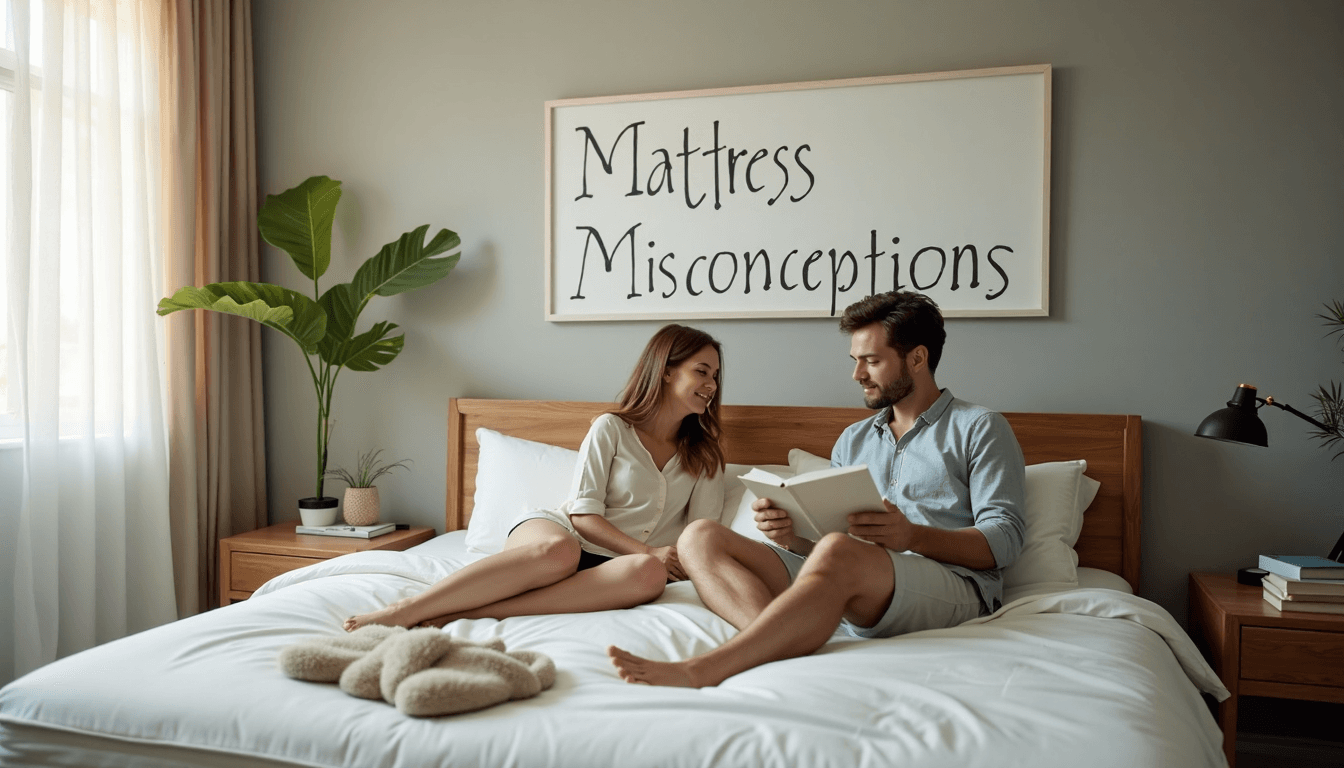
Choosing a mattress in 2025 can be more confusing than ever, with myths about firmness and lifespan running rampant. It may sound surprising, but a high-quality mattress can last well beyond the popular 8-year guideline, with many staying comfortable for over a decade if properly cared for. Even stranger, buying the firmest or highest spring count bed might actually hurt your sleep and your back. The real secret is that your own body, sleep habits and comfort matter far more than any universal rule. Here is what people usually get wrong about mattresses—and why knowing the truth can save you from years of restless nights.
| Takeaway | Explanation |
|---|---|
| Firmness is personal | Mattress firmness varies by individual factors such as body weight and sleeping position; softer mattresses may be better for side sleepers while firmer ones are preferable for front sleepers. |
| Replacement isn’t fixed | The common 8-year guideline for replacing mattresses is misleading; a high-quality mattress can last significantly longer if well-maintained, with indicators like sagging or discomfort suggesting it’s time for a change. |
| Spring count myths | A higher spring count does not guarantee better support; most high-quality mattresses perform well with 1000-1500 springs, and additional springs have minimal impact on comfort. |
| Avoid borrowed recommendations | Comfort is highly individualistic, and relying on others’ suggestions can lead to poor choices; assess your own sleep needs instead. |
| Testing properly is key | Spend sufficient time testing mattresses in-store, ideally 15-20 minutes, and evaluate them in your regular sleeping position to ensure suitable comfort and support. |
Mattress shopping can feel like navigating a maze of conflicting advice and seemingly convincing claims. Many buyers enter the market armed with misconceptions that can lead to poor purchasing decisions. Common mattress misconceptions can cost you comfort, sleep quality, and potentially your long-term physical health.

One of the most persistent myths surrounding mattresses is that firmer always equals better support. According to research from The Sleep Foundation, mattress firmness is highly individual and depends on multiple factors including body weight, sleeping position, and personal comfort preferences.
Side sleepers, for instance, often require a softer mattress that allows their shoulders and hips to sink slightly, maintaining proper spinal alignment. Front sleepers typically benefit from firmer surfaces that prevent excessive sinking and maintain spine neutrality. Our guide on mattress types provides more insights into matching mattress firmness with individual sleep needs.
Experts from The English Home suggest that the ideal mattress should provide a balance between support and comfort, rather than defaulting to the hardest option available. The key is finding a mattress that supports your body’s natural curves while providing pressure relief.
Another widespread misconception is the rigid 8-year replacement rule. While mattresses do wear out, their actual lifespan varies significantly based on quality, usage, and maintenance. Research from the Orthopaedic Advisory Board indicates that a well-maintained, high-quality mattress can remain comfortable and supportive well beyond the traditional 8-year guideline.
Significant indicators that it might be time to replace your mattress include:
Many consumers believe that a higher spring count automatically translates to a superior mattress. However, mattress engineering experts suggest that after approximately 1500 springs, additional springs provide minimal improvement in comfort or support. Most high-quality pocket spring mattresses perform excellently with 1000-1500 springs.
Understanding these common mattress myths empowers you to make more informed decisions. By challenging preconceived notions and focusing on individual needs, you can select a mattress that genuinely supports your sleep and well-being. Remember, the perfect mattress is not about following universal rules, but about finding what works best for your unique body and sleeping preferences.
When shopping, prioritise personal comfort, proper support, and quality construction over marketing claims or outdated advice. Your future self—and your spine—will thank you for the careful consideration.
Mattress misconceptions extend far beyond simple purchasing errors. They can significantly impact your physical health, sleep quality, and overall well-being. Understanding the deeper consequences of these myths is crucial for making informed decisions that protect your long-term comfort and health.

Research from the Sleep Foundation reveals that inadequate mattress support can lead to substantial physical complications. Poor mattress choices can trigger chronic pain conditions, exacerbate existing musculoskeletal issues, and disrupt essential sleep recovery processes.
Spinal alignment plays a critical role in overall physical health. Rest Sleep Research indicates that an unsuitable mattress can cause misalignment, leading to persistent back pain, neck strain, and muscular tension. Side sleepers, for instance, require different support levels compared to back or front sleepers, and using an inappropriate mattress can create long-term postural problems.
Specifically, individuals may experience:
The impact of mattress misconceptions extends beyond physical discomfort. Clinical Sleep Medicine Research demonstrates that poor sleep quality resulting from inappropriate mattress selection can significantly affect mental health and cognitive performance.
Chronic sleep disruption caused by an unsuitable mattress can lead to:
Particularly concerning is the potential for long-term neurological impact. Consistent poor sleep can interfere with memory consolidation, emotional regulation, and overall mental resilience. Our guide on mattress types provides deeper insights into selecting mattresses that support comprehensive well-being.
Believing in mattress myths can also have significant economic consequences. Consumer Health Research suggests that misconceptions about mattress longevity and maintenance can lead to unnecessary expenses and potential health risks.
Many individuals mistakenly believe that a mattress topper can resolve fundamental mattress issues. However, Rest Sleep Research warns that toppers cannot compensate for a structurally compromised mattress. Continuing to use a worn-out mattress can result in:
The economic burden of sleep-related health issues can be substantial. Investing time in understanding mattress characteristics and individual sleep needs is far more cost-effective than managing chronic health problems resulting from poor sleep support.
By challenging common mattress misconceptions and prioritising personalised comfort and support, individuals can protect their physical health, mental well-being, and financial resources. Remember, a mattress is not just a purchase—it’s an investment in your overall quality of life.
Selecting the perfect mattress requires more than casual browsing or accepting standard recommendations. Navigating the complex world of mattress shopping demands strategic approach, personalised considerations, and a deep understanding of individual sleep needs.
Sleep Research UK emphasises that mattress selection is fundamentally about matching your individual physiological requirements. Your sleep profile encompasses critical factors such as body weight, preferred sleeping position, temperature regulation needs, and any existing health conditions.
For side sleepers, pressure point relief becomes paramount. Back sleepers require different support structures compared to front sleepers. Ideal Home Magazine recommends conducting a comprehensive self-assessment before mattress shopping, which includes:
Modern mattress markets offer diverse options, each with distinct characteristics. Our comprehensive mattress guide explores the nuanced differences between mattress types. According to Sleepy Owl Research, key mattress categories include:
Each mattress type presents unique advantages, and your selection should align with personal comfort preferences and specific physical requirements.
Professional mattress selection extends beyond initial comfort. Consumer Health Research recommends implementing strategic evaluation methods:
Testing Techniques:
Additional Consideration Factors:
Experts consistently recommend investing time in research and personal assessment. A mattress represents a significant health investment—not merely a furniture purchase. Understanding your body’s unique requirements transforms mattress shopping from a potential guessing game into a precise, informed decision.
Remember, the ideal mattress feels like it was custom-designed for your body. Patient, methodical selection prevents years of potential discomfort and ensures optimal sleep quality. Your future self will appreciate the careful consideration you invest in this crucial decision.
Mattress shopping represents a significant investment in personal health and comfort, yet many buyers inadvertently sabotage their purchasing experience by making critical errors. Understanding and avoiding these common mistakes can transform your mattress selection from a potential disappointment to a life-enhancing decision.
Homes and Gardens Research emphasises that one of the most frequent mistakes is blindly accepting recommendations from friends or family. Comfort is profoundly personal, with factors like body weight, sleeping position, and individual health conditions dramatically influencing mattress suitability.
Consider these pitfalls of borrowed recommendations:
The English Home warns buyers about overlooking critical compatibility and cost considerations. Unexpected expenses can quickly transform an seemingly affordable purchase into a financial burden.
Key compatibility factors include:
Why Invest in Quality Beds provides further insights into understanding the true value of a mattress beyond its initial price tag.
Many buyers commit critical errors during the mattress testing process. Consumer Research UK recommends avoiding these common testing mistakes:
Testing Techniques to Implement:
Additional Testing Considerations:
Professional mattress shoppers understand that thorough evaluation prevents years of potential discomfort. A mattress is not merely a purchase but an investment in your health, productivity, and overall quality of life.
Remember, rushing the selection process or making decisions based on price alone can result in years of suboptimal sleep. Take time, be methodical, and prioritise your individual comfort and support needs. Your future self will thank you for the careful consideration you invest in this crucial decision.
The ideal firmness level varies for each individual and is influenced by factors like body weight and sleeping position. Side sleepers often prefer softer mattresses for pressure relief, while back and front sleepers may benefit from firmer options for spinal alignment.
The common guideline of replacing a mattress every 8 years is not always accurate. A high-quality mattress can last significantly longer, especially if well-maintained. Monitor for indicators like sagging or discomfort to determine when it’s time for a replacement.
Not necessarily. Most quality mattresses provide good support with a spring count of 1000-1500. After approximately 1500 springs, additional springs contribute minimal improvement in comfort or support.
Comfort is highly personal, and what works for one person may not suit another. Factors like body mechanics and sleeping positions vary greatly, so it’s essential to assess your own comfort needs rather than depending on borrowed recommendations.
After learning just how much mattress misconceptions can impact your sleep and wellbeing, it is time to put the confusion to rest. Whether you are tired of the firmness fallacy or frustrated by spring count myths, Number One Beds helps you take control with trusted solutions that match your unique body and preferences.
Stop letting outdated advice dictate your sleep. Visit Number One Beds to upgrade your mattress experience and wake up feeling truly refreshed. The right fit is waiting for you. Shop now and invest in better nights from tonight.
