Choosing a mattress in 2025 is far more complicated than simply picking between soft and firm. There are more options than ever and each promises something new. Here’s a fact that might surprise you: latex mattresses can last up to 15 years while pocket sprung ones may give out after just 6 to 8 years. Most people still assume memory foam or hybrids are the longest-lasting, but natural latex quietly outperforms them all. That is just the beginning of what sets different mattress materials apart.
| Takeaway | Explanation |
|---|---|
| Select the Right Material for Your Needs | Different mattress materials, such as memory foam, pocket springs, and hybrids, offer unique benefits; consider your sleep preferences and health requirements when choosing. |
| Maintain Proper Care for Longevity | Regularly rotate your mattress, use protective covers, and clean spills immediately to enhance the lifespan and performance of your mattress. |
| Consider Temperature Regulation Features | Look for materials that promote breathability, such as bamboo-infused foams or hybrid designs, to ensure a comfortable sleep environment, especially if you tend to overheat. |
| Understand Mattress Lifespans | Different materials have varying lifespans; for example, latex mattresses can last up to 15 years, while hybrid and memory foam typically last 8-10 years. |
| Prioritise Comfort and Spinal Alignment | Evaluate how mattresses support different body types and sleeping positions to ensure proper spinal alignment and improve overall sleep quality. |
Selecting the right mattress material can dramatically transform your sleep experience. In 2025, mattress technology offers unprecedented choices, each with unique characteristics designed to meet diverse sleeping needs. Understanding these materials becomes crucial for making an informed purchase that supports your body, ensures comfort, and promotes restful sleep.
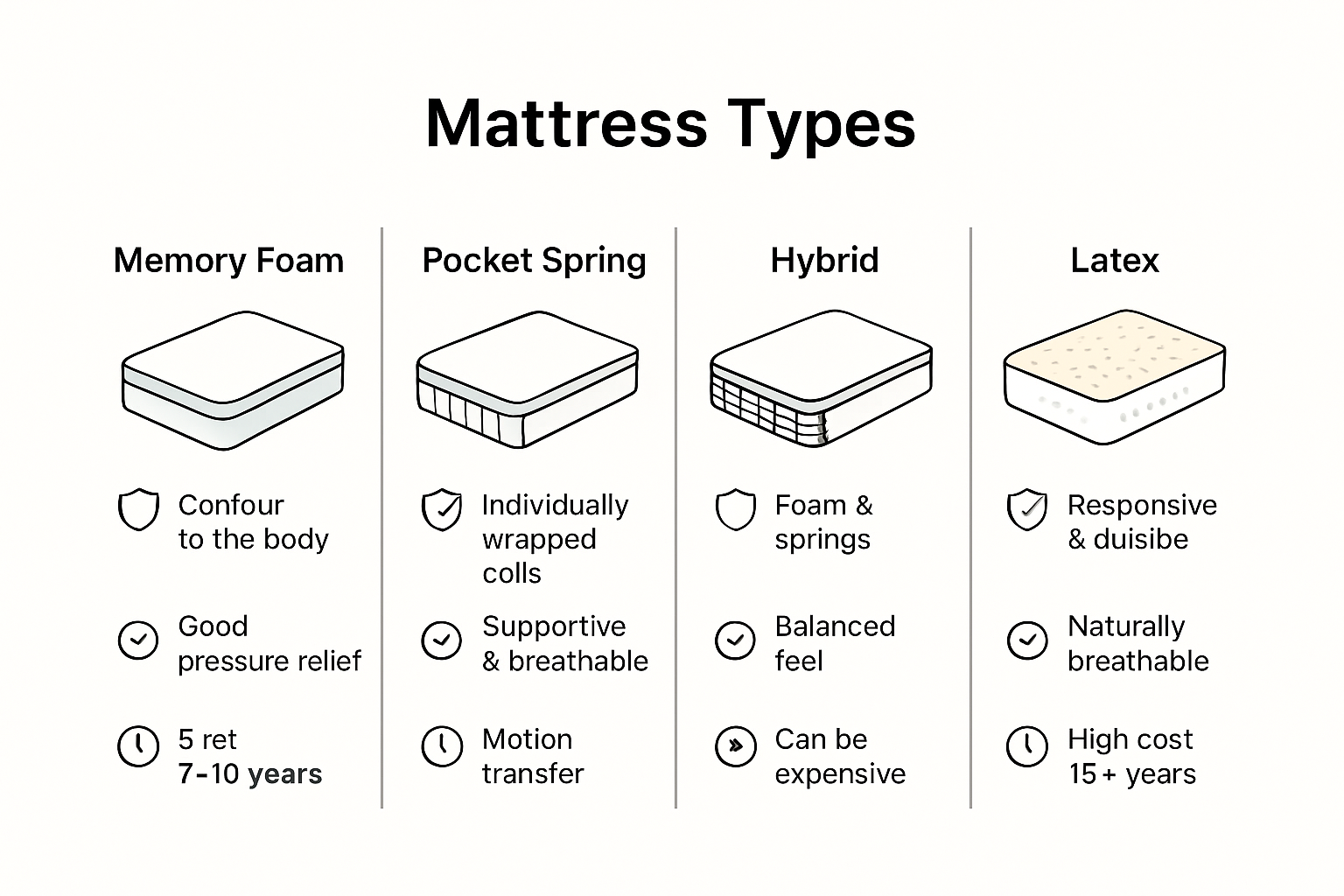
Memory foam has revolutionised sleep technology with its remarkable ability to conform precisely to your body’s shape. Originally developed by NASA for spacecraft cushioning, this material adapts to your body weight and temperature, creating a personalised sleeping surface. When you lie down, memory foam gradually moulds around your body’s curves, providing exceptional pressure point relief and reducing motion transfer—meaning if your partner moves, you will hardly notice.
However, traditional memory foam has one significant drawback: heat retention. Modern iterations have addressed this concern by incorporating cooling technologies. Explore our comprehensive mattress technology guide to understand how contemporary memory foam designs manage temperature regulation more effectively.
Pocket spring mattresses represent a time-tested approach to sleep support, featuring individual springs encased in fabric pockets. This design allows each spring to move independently, creating a more responsive and adaptive sleeping surface. According to research from The English Home, hybrid mattresses combining pocket springs with memory foam layers are gaining significant popularity in the UK market for 2025.
The key advantage of pocket springs lies in their ability to provide targeted support. Heavier body parts receive more resistance, while lighter areas experience gentler cushioning. This nuanced approach helps maintain proper spinal alignment and reduces the likelihood of developing pressure points during sleep.
Hybrid mattresses represent the cutting edge of sleep technology, strategically combining multiple materials to maximise comfort and support. These sophisticated designs typically integrate memory foam’s pressure-relieving properties with the responsive support of pocket springs. Our sleep position guide can help you determine which hybrid configuration might suit your specific sleeping style.
Interestingly, emerging trends indicate bamboo-infused mattresses are becoming increasingly popular. These innovative materials offer natural hypoallergenic and antibacterial properties, effectively regulating temperature and wicking away moisture. For sleepers who tend to overheat or have sensitive skin, bamboo-infused hybrid mattresses present an exciting option.
When selecting a mattress material, consider your individual sleep preferences, body type, and any specific health considerations. Each material offers unique benefits, and the perfect choice varies from person to person. Take time to test different options, read expert reviews, and prioritise your comfort and long-term spinal health.
Comfort and support represent the fundamental pillars of mattress quality, determining not just how well you sleep but how your body recovers and maintains proper alignment during rest. Understanding the intricate relationship between these features can transform your sleep experience and contribute to overall health and wellbeing.
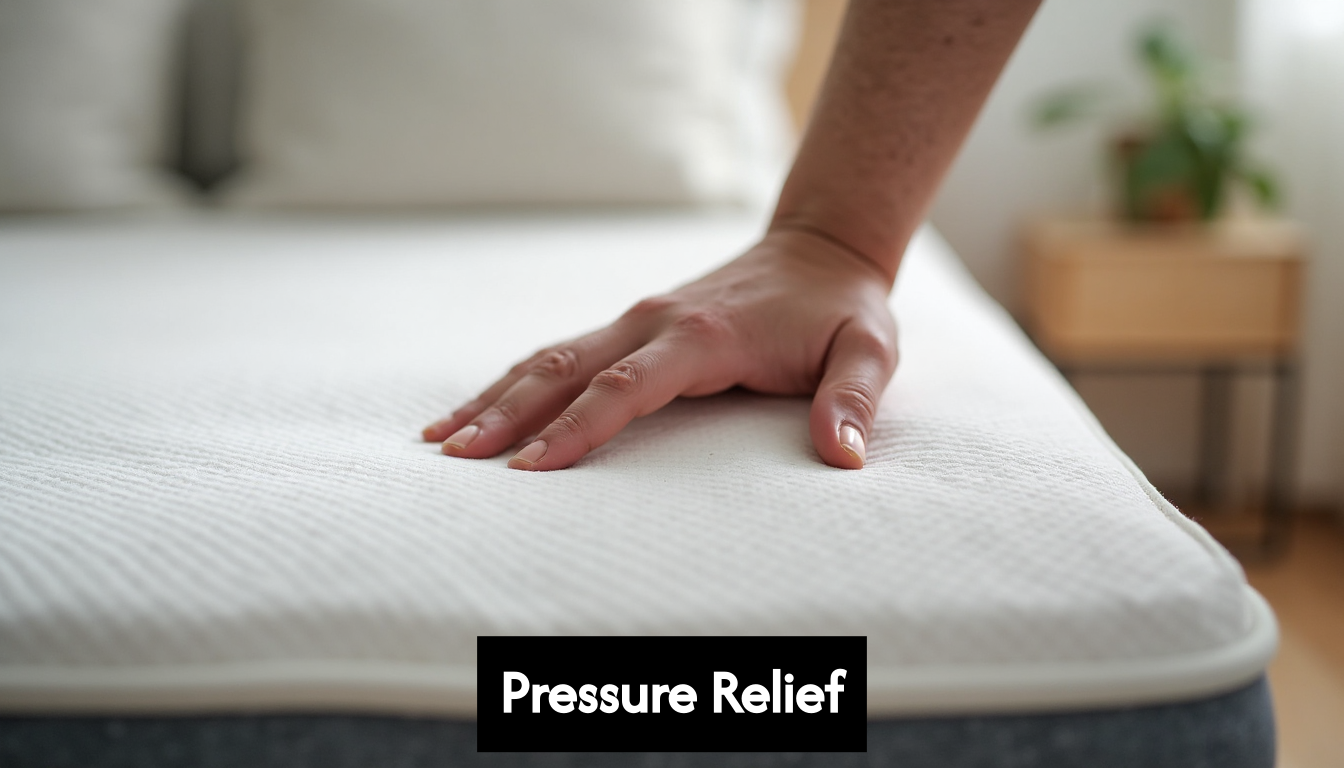
Pressure relief represents a critical aspect of mattress performance, directly impacting your body’s ability to relax and recover during sleep. Different materials interact uniquely with body weight and shape. According to research from Which?, mattress support varies dramatically, with tested models ranging from 440 to 1,085 springs, significantly influencing comfort levels.
Memory foam excels in this domain, creating a personalised sleeping surface that adapts to individual body contours. The material’s ability to redistribute body weight reduces pressure on key areas like shoulders, hips, and lower back. Explore our detailed mattress support guide to understand how different materials manage pressure points.
Temperature management plays a crucial role in sleep comfort. Innovative materials like bamboo-infused foam are revolutionising mattress breathability. These advanced materials offer enhanced temperature control, wicking away moisture and preventing overheating—a common issue for many sleepers.
Hybrid mattresses provide an intelligent solution to temperature challenges. By combining memory foam’s contouring properties with pocket springs’ airflow characteristics, these mattresses create a balanced sleeping environment. Our sleep position guide offers insights into how different mattress constructions manage heat and comfort for various sleeping styles.
For couples, motion isolation becomes a critical consideration. Hybrid mattresses offer an exceptional compromise, integrating memory foam’s motion-absorbing qualities with pocket springs’ independent movement. This design ensures that movement on one side of the bed does not disturb the other partner, creating a more harmonious sleep environment.
Spring density and foam composition directly influence motion transfer. Higher-density foams and more tightly packed spring systems provide superior isolation, reducing the likelihood of disrupted sleep. When selecting a mattress, consider your individual and shared sleep preferences.
Choosing the right mattress involves balancing multiple factors: personal comfort, body type, sleeping position, and shared sleep needs. While no single mattress suits everyone, understanding these comfort and support features empowers you to make an informed decision. Prioritise your physical comfort, listen to your body’s signals, and remember that quality sleep is an investment in your overall health and wellbeing.
Choosing the perfect mattress requires understanding your unique sleep requirements, body type, and personal preferences. The mattress market in 2025 offers unprecedented variety, ensuring there is an ideal solution for every sleeper.
Individual sleep needs vary dramatically. People with back pain require different support compared to side sleepers or those with temperature regulation issues. Check out our comprehensive sleep position guide to understand how specific mattress designs address various sleep challenges.
For individuals experiencing chronic back pain, hybrid mattresses provide an exceptional solution. According to research from The Independent, memory foam mattresses have evolved to include breathable materials that help regulate temperature while offering targeted pressure relief. These advanced designs distribute body weight evenly, reducing strain on sensitive areas.
Some sleepers require more specialised solutions. Bamboo-infused hybrid mattresses are gaining popularity for their unique properties. These innovative mattresses offer naturally hypoallergenic and antibacterial characteristics, making them ideal for individuals with allergies or sensitive skin. The bamboo technology provides enhanced breathability and moisture-wicking capabilities, ensuring a cooler and more comfortable sleep environment.
Couples with different sleep preferences can benefit from split-design mattresses or hybrid models with zoned support. These advanced configurations allow for customised firmness on each side, addressing individual comfort needs without compromising shared sleeping space.
Top-performing mattresses in 2025 focus on comprehensive sleep solutions. The Simba Hybrid Luxe, highlighted by The Independent, represents the pinnacle of mattress engineering. With reinforced edge support and advanced pressure relief, such hybrid mattresses cater to a wide range of sleepers.
Consider these key factors when selecting your mattress:
Remember that the perfect mattress is a personal choice. What works excellently for one person might not suit another. Take time to test different options, read expert reviews, and prioritise your individual comfort and long-term spinal health. A thoughtful investment in your mattress can significantly improve sleep quality, overall health, and daily performance.
Understanding the lifespan and maintenance of your mattress is crucial for ensuring long-term comfort, hygiene, and value. Different mattress materials require specific care strategies to maximise their performance and durability.
Mattress longevity varies significantly across different materials. Explore our comprehensive mattress guide to understand the expected lifespan of various mattress types. According to Sleep Hero research, the typical lifespans are:
Natural latex mattresses demonstrate exceptional durability, often outlasting synthetic alternatives by several years. Research from Zoma Sleep indicates that natural latex can maintain its structural integrity for 15 or more years, compared to synthetic latex which typically lasts 6-7 years.
Proper care can significantly extend your mattress’s lifespan. Bed Star experts recommend several key maintenance strategies:
Memory foam mattresses require particular attention. While they can last 10-12 years with proper care, they are susceptible to damage from sharp objects and excessive moisture. Avoid jumping on the mattress, use a protective cover, and clean spills immediately to preserve its integrity.
Each mattress material demands unique maintenance approaches. Hybrid mattresses with pocket springs need careful handling to maintain spring tension and foam integrity. Bamboo-infused mattresses benefit from occasional airing to preserve their natural moisture-wicking properties.
Consider these additional care recommendations:
Investing in a quality mattress is just the first step. Consistent, thoughtful maintenance determines how long you’ll enjoy comfortable, supportive sleep. By understanding your mattress’s specific needs, you can significantly extend its useful life, ensuring better sleep and more value for your investment.
The primary mattress materials in 2025 include memory foam, pocket springs, and hybrids. Each type offers unique benefits tailored to different sleep preferences and needs.
Latex mattresses can last up to 15 years, whereas memory foam and hybrid mattresses generally last 8-10 years, and pocket sprung mattresses tend to last around 6-8 years.
When selecting a mattress, consider factors like material type, your sleeping position, body weight, temperature regulation needs, and any specific health considerations such as back pain.
To extend your mattress’s lifespan, regularly rotate it, use protective covers, clean spills immediately, and maintain a consistent room temperature to prevent moisture damage.
Have you spent hours researching mattress materials, only to feel more overwhelmed? If finding the perfect fit has left you confused about memory foam, pocket springs, or hybrids, you are not alone. Many people struggle with picking the right material for pressure relief, back support, and cool, restful nights. At Number One Beds, we are here to guide you every step of the way, ensuring you never have to settle for restless sleep again. Discover our curated Memory Foam Mattress collection or explore the responsive comfort of our Pocket Sprung Mattresses to see which suits your unique needs best.
Experience the difference that personalised advice and quality products can make. Visit Number One Beds now to browse our full range and take the first step towards the best sleep of your life. Don’t let indecision keep you from waking up refreshed. Let us help you transform your bedroom and your wellbeing today.
