The world of mattresses can feel overwhelming. With more than 40 different types on the market, choosing the right one is crucial for a good night’s sleep. But here’s the kicker: the most expensive mattress often isn’t the best one for your needs. The unexpected truth is that a perfect mattress for you might cost less than half of what you thought you needed to spend. Understanding how to navigate mattress materials and your specific sleeping preferences can unlock potential savings and comfort that exceeds expectations.
| Takeaway | Explanation |
|---|---|
| Know Your Sleep Position | Understanding whether you’re a side, back, stomach, or combination sleeper is crucial for selecting the appropriate mattress firmness and material for optimal support and comfort. |
| Evaluate Mattress Materials | Familiarise yourself with the pros and cons of different mattress types—memory foam, latex, innerspring, and hybrid—to make an informed decision that aligns with your sleep preferences and health needs. |
| Test Before Buying | Always take the time to personally test mattresses, spending at least 10-15 minutes lying in your usual sleep position to gauge comfort and support before making a purchase. |
| Consider Timing for Purchase | Take advantage of holiday sales and end-of-season clearances to secure better deals on quality mattresses, potentially saving you significant money. |
| Understand Warranties | Pay attention to the specifics of mattress warranties, including what is covered, duration, and conditions that may void the warranty to protect your investment effectively. |
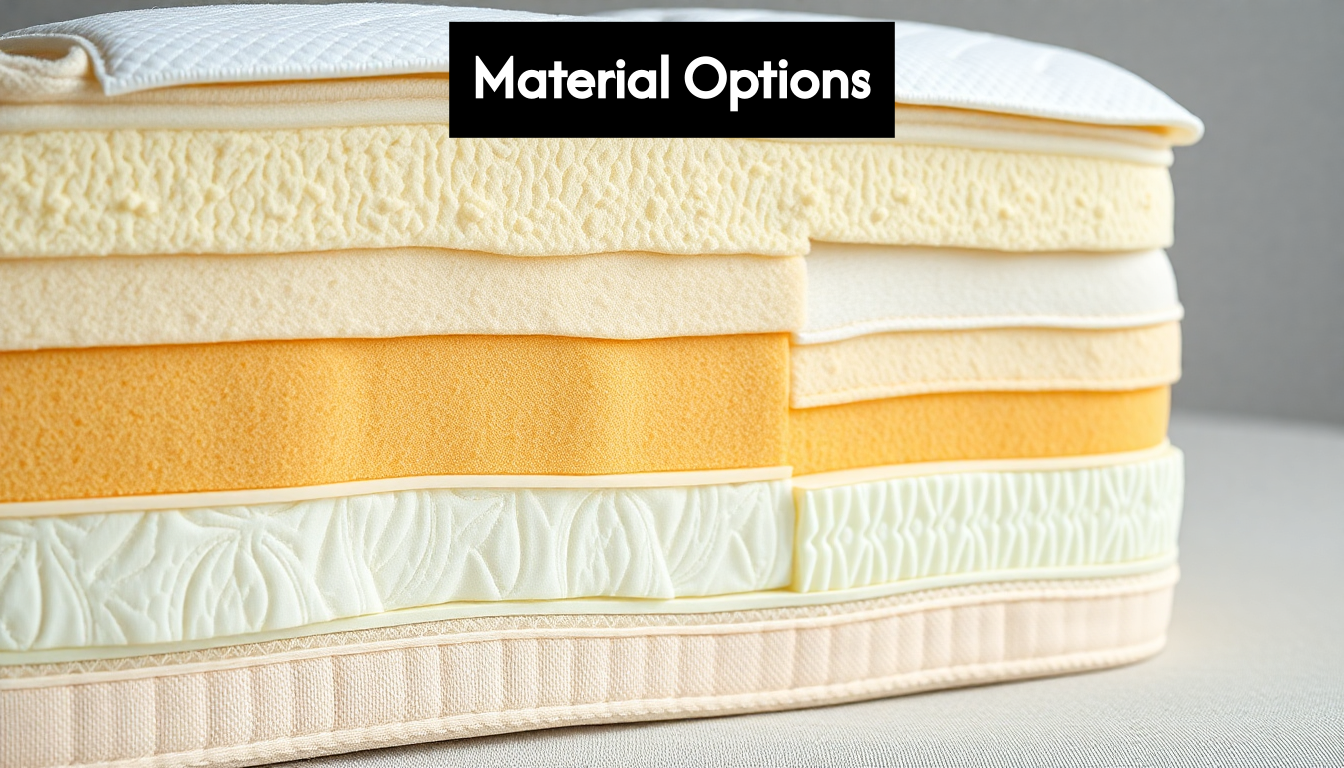
When shopping for a new mattress, understanding the different materials used in their construction is essential for finding the perfect match for your sleeping needs. The material composition significantly impacts comfort, durability, temperature regulation, and price. Let’s explore the main types of mattress materials available in today’s market.
Memory foam has revolutionised the mattress industry since its introduction. Originally developed by NASA in the 1960s, this material contours precisely to your body shape, providing exceptional pressure relief and support.
When you lie on memory foam, your body heat softens the material, allowing it to mould around your curves. This creates a comfortable hugging sensation that many sleepers love. Memory foam is particularly beneficial for side sleepers and those suffering from joint pain or pressure points.
However, traditional memory foam tends to retain heat, which can be uncomfortable for hot sleepers. Manufacturers have addressed this issue by developing newer versions with cooling technologies:
Memory foam also varies in density, which affects its durability and feel. Higher-density foams (5+ pounds per cubic foot) typically last longer but feel firmer, while lower-density options (3-4 pounds per cubic foot) feel softer but may wear out more quickly.
Latex is a natural material derived from rubber tree sap, though synthetic and blended versions also exist. Latex mattresses offer a responsive, bouncy feel with excellent durability.
Unlike memory foam, latex provides a more buoyant sensation—you sleep “on” rather than “in” the mattress. It contours to your body but bounces back immediately when pressure is removed. This responsiveness makes it easier to change positions during sleep.
Natural latex mattresses are prized for their eco-friendliness and hypoallergenic properties. They naturally resist dust mites and mould, making them an excellent choice for allergy sufferers. Latex also sleeps cooler than memory foam due to its naturally aerated structure.
The two main types of latex used in mattresses are:
Innerspring mattresses represent the traditional mattress design that has been around for generations. Their support comes from a system of metal springs or coils, topped with comfort layers of various materials.
The defining characteristic of innerspring mattresses is their excellent breathability. The open structure of the coil system promotes airflow, helping to regulate temperature throughout the night. They also provide responsive support and a familiar bouncy feel that many sleepers prefer.
Modern innerspring mattresses feature different coil types and configurations:
The gauge (thickness) of the coils affects the mattress firmness, with lower gauge numbers indicating thicker, firmer coils that provide more support for heavier individuals.
Hybrid mattresses combine the best features of different mattress types, typically pairing an innerspring support core with substantial comfort layers made of memory foam, latex, or other materials.
This combination aims to deliver the perfect balance: the pressure relief and contouring of foam with the breathability and responsiveness of springs. Hybrids generally offer better edge support than all-foam models, making it easier to use the full surface of the mattress.
The performance of a hybrid mattress depends greatly on its specific construction—the coil count and type, the quality and thickness of the comfort layers, and how these elements work together. Premium hybrids often represent the best of all worlds, though they typically come with higher price tags.
The different types of mattresses and their material compositions offer unique benefits for various sleeping preferences. Understanding these differences is crucial when selecting the perfect mattress for your specific needs and comfort preferences.
Choosing the right mattress type involves weighing various factors that affect your sleep quality. Each type of mattress offers distinct advantages and disadvantages that might make it perfect for one person but unsuitable for another. Let’s examine these different types of mattresses through a comprehensive pros and cons analysis.
Pros:
Memory foam excels at pressure relief, which is particularly beneficial if you experience joint pain or discomfort while sleeping. The material’s ability to distribute weight evenly helps reduce pressure points, especially for side sleepers whose shoulders and hips bear more weight.
Motion isolation is another significant advantage. When your partner tosses and turns during the night, memory foam absorbs these movements rather than transferring them across the mattress. This feature makes memory foam an excellent choice for couples, especially if one person is a light sleeper.
Memory foam mattresses also conform to your body shape, providing personalised support. This contouring helps maintain proper spinal alignment, potentially alleviating back pain for many sleepers.
Cons:
Despite innovations in cooling technology, heat retention remains a common complaint with memory foam. The same properties that allow the material to conform to your body also trap body heat, potentially causing discomfort for hot sleepers.
New memory foam mattresses often emit a chemical smell when first unpacked, a phenomenon known as off-gassing. While typically harmless and temporary, this odour can be bothersome for those with sensitive noses.
Finally, some sleepers find memory foam creates a “sinking” feeling that makes movement difficult. This characteristic can be problematic for combination sleepers who change positions frequently during the night.
Pros:
Durability stands out as a primary advantage of latex mattresses. High-quality natural latex mattresses often last 12-15 years, significantly longer than most other mattress types. This longevity makes them a worthwhile investment despite their higher initial cost.
Latex mattresses are also highly regarded for their eco-friendliness, especially those made from natural latex. They’re biodegradable and produced using sustainable methods, appealing to environmentally conscious consumers.
The responsive nature of latex provides a unique combination of support and pressure relief without the sinking feeling associated with memory foam. You’ll feel supported while still enjoying cushioning for pressure points.
Cons:
The most significant drawback of latex mattresses is their price point. Quality latex mattresses typically cost more than other types, which can be prohibitive for budget-conscious shoppers.
Latex mattresses are also quite heavy, making them difficult to move or rotate. This weight can be challenging when setting up your bedroom or rearranging furniture.
Some people may experience allergic reactions to latex, although this is rare with processed latex used in mattresses. Still, individuals with known latex allergies should consider alternative options.
Pros:
Innerspring mattresses excel at temperature regulation. The open structure created by their coil systems allows for excellent airflow, helping hot sleepers stay cool throughout the night.
These mattresses typically provide superior edge support compared to foam alternatives. This characteristic makes it easier to use the entire surface of the mattress and provides stability when sitting on the edge.
Many people appreciate the familiar, responsive feel of innerspring mattresses. The slight bounce makes changing positions easier and creates a more traditional sleeping experience that many find comfortable.
Cons:
Innerspring mattresses generally transfer more motion than foam options. If you share your bed with a restless partner, you might feel their movements throughout the night.
Despite improvements in design, many innerspring mattresses still provide less pressure relief than foam alternatives. This limitation can lead to discomfort for side sleepers or those with joint pain.
Over time, the coils in innerspring mattresses may begin to squeak or sag, especially in lower-quality models. This degradation can significantly impact comfort and support.
Pros:
Hybrid mattresses offer balanced performance by combining the pressure relief of foam with the responsiveness of coils. This versatility makes them suitable for a wide range of sleep preferences.
The coil layer in hybrid mattresses promotes airflow, while special cooling foams in the comfort layers can help dissipate heat. This combination creates better temperature regulation than all-foam mattresses.
Many hybrid designs feature reinforced perimeters, providing excellent edge support. This feature increases the usable surface area of your mattress and makes getting in and out of bed easier.
Cons:
Due to their complex construction involving multiple premium materials, hybrid mattresses often come with higher price tags. The cost reflects their sophisticated design but may be beyond some budgets.
Hybrids tend to be quite heavy and thick, making them challenging to move and potentially requiring deep-pocket sheets to accommodate their height.
While hybrids aim to minimise the drawbacks of individual mattress types, they may still exhibit some limitations of their component materials, such as some motion transfer or heat retention.
Understanding these pros and cons helps you evaluate which type of mattress might best suit your specific sleep needs, preferences, and circumstances. The perfect mattress balances these factors in a way that aligns with your personal requirements.
Selecting the right mattress is a deeply personal decision that affects your sleep quality and overall wellbeing. With the variety of mattress types available, this process requires careful consideration of several key factors to ensure you find your perfect match.
Your preferred sleeping position significantly influences which mattress will serve you best. Each position creates different pressure points and alignment needs.
Side sleepers typically benefit from softer mattresses that cushion the shoulders and hips. When you sleep on your side, these areas bear most of your body weight and need extra relief to prevent pressure build-up. Medium-soft to medium mattresses usually provide the right balance of support and comfort for side sleepers.
Back sleepers generally need medium-firm support that maintains the natural curve of the spine while preventing excessive sinking. A mattress that’s too soft may cause your hips to sink too deeply, potentially leading to lower back pain over time.
Stomach sleepers require firmer surfaces to keep the body properly aligned. Sleeping face-down creates unique challenges, as too much sinkage can hyperextend the back and cause strain. A firm mattress helps keep your spine in a more neutral position throughout the night.
Combination sleepers who change positions frequently benefit from responsive mattresses that adapt quickly to movement. Hybrid and latex options often work well for these sleepers, providing enough bounce to facilitate position changes without sacrificing comfort.
Your body weight plays a crucial role in determining the right mattress firmness. The same mattress will feel different to people of varying weights.
Lighter individuals (under 60kg) often find firm mattresses uncomfortable because they don’t sink in enough to enjoy the cushioning layers. Softer mattresses typically provide better pressure relief for lighter sleepers.
Average-weight people (60-105kg) generally have the most options and can choose based primarily on sleep position and personal preference. Medium to medium-firm mattresses often provide the optimal balance.
Heavier individuals (over 105kg) typically need firmer, more supportive mattresses with reinforced construction. Durability becomes especially important, as does the mattress’s ability to provide proper support without excessive sinking. Look for high-density foams or strong coil systems that can withstand greater pressure over time.
Specific health conditions may influence your mattress selection. If you suffer from back pain, look for mattresses that promote proper spinal alignment. Medium-firm options often provide the best results for back pain sufferers, offering support while still contouring to the body’s natural curves.
For those with joint issues like arthritis, pressure relief becomes paramount. Memory foam and latex mattresses excel at reducing pressure on sensitive joints, potentially alleviating pain and improving sleep quality.
Allergy sufferers should consider hypoallergenic materials or mattresses with removable, washable covers. Natural latex offers natural resistance to dust mites and mould, while certain memory foams are treated to repel common allergens.
Theoretical knowledge about mattress types is valuable, but nothing replaces personal testing. Your body’s response to a mattress is ultimately the most important factor.
When testing mattresses in person, spend at least 10-15 minutes lying in your usual sleep position. Pay attention to pressure points, alignment, and overall comfort. Is your spine straight when lying on your back? Can you comfortably rest on your side without shoulder pain?
Many online mattress companies now offer generous sleep trials, allowing you to test a mattress in your home for 100 nights or more with free returns if unsatisfied. This approach eliminates the awkwardness of testing in showrooms and provides a more realistic experience.
Quality sleep is worth investing in, but most shoppers need to work within a budget. Remember that the most expensive mattress isn’t necessarily the best one for your needs.
Consider the mattress as a long-term investment in your health. A quality mattress should last 7-10 years, meaning the cost spreads out over thousands of nights. When viewed as a daily expense, even premium mattresses often cost less than a cup of coffee per day over their lifespan.
Look for value rather than simply the lowest price. A moderately priced mattress that perfectly suits your needs will provide better sleep than an expensive one with features you don’t require.
By carefully evaluating your sleep position, body type, health needs, and budget, you can narrow down the overwhelming number of mattress options to find the one that will provide years of restful, rejuvenating sleep.
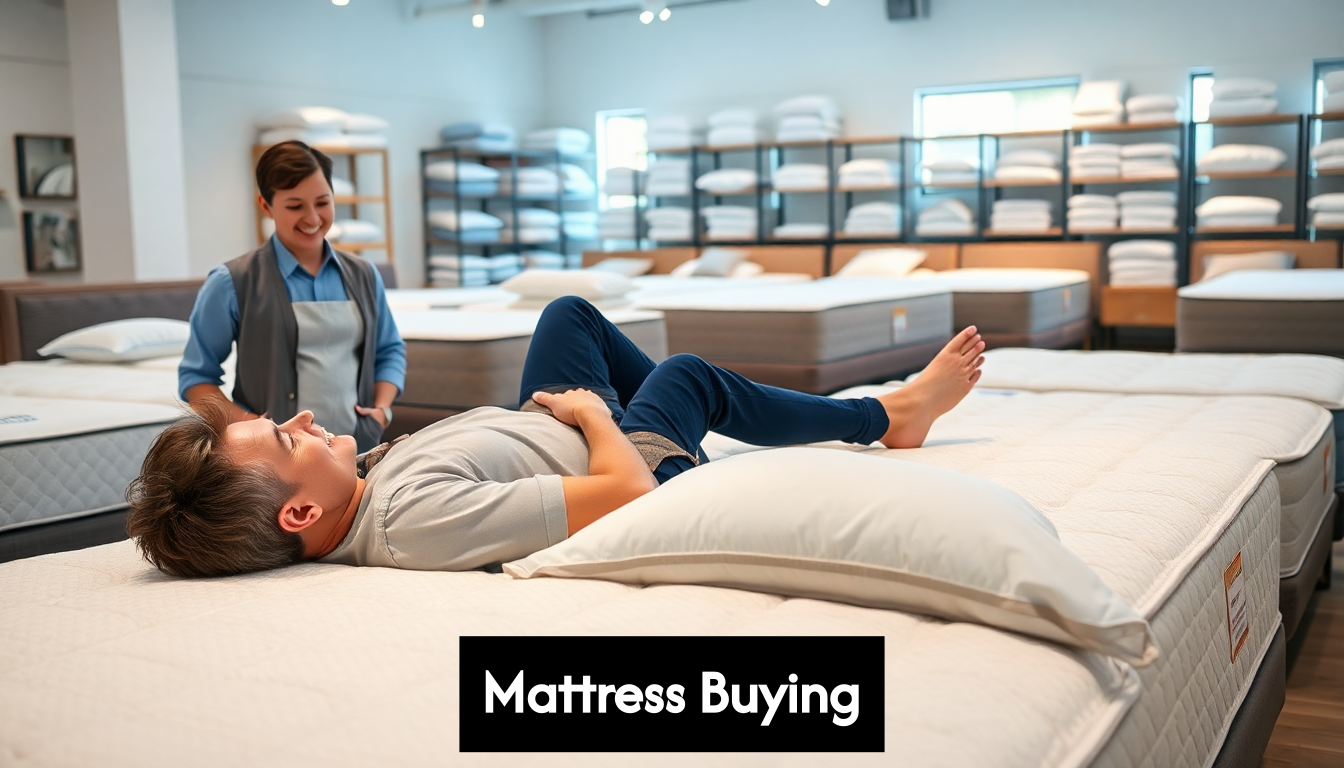
Navigating the mattress market can be overwhelming with countless brands, models, and retailers vying for your attention. To help you make an informed decision and avoid common pitfalls, we’ve compiled these practical expert tips for your mattress shopping journey.
Strategic timing can save you significant money when buying a mattress. The mattress industry operates on predictable sales cycles, with several optimal periods for purchasing.
Holiday weekends traditionally offer the best mattress deals. Memorial Day, Labour Day, Black Friday, and Boxing Day sales typically feature substantial discounts, often 20-40% below regular prices. If your current mattress can last a few more months, planning your purchase around these events can be worthwhile.
End-of-season clearances present another opportunity for savings. Many manufacturers release new models in June and January, making May and December excellent times to find deals on discontinued models. These older models often differ only slightly from their replacements but sell at steep discounts to clear inventory.
Mid-to-late winter (January to March) can also yield good deals as retailers aim to boost sales during typically slower months. Many shops offer “New Year, New You” promotions during this period, focusing on wellness products including mattresses.
A mattress warranty provides important protection for your investment, but the details matter tremendously. Most warranties cover manufacturing defects and premature deterioration, but they vary significantly in coverage periods and conditions.
Pay close attention to the difference between “full coverage” and “prorated” warranty periods. A 20-year warranty might offer 10 years of full coverage (where the company bears all replacement/repair costs) followed by 10 years of prorated coverage (where you pay an increasing percentage of costs over time).
Worth noting are the specific conditions that can void your warranty. These typically include:
Also examine how sagging is addressed. Quality warranties should cover indentations exceeding 1.5 inches (when not under pressure), as this level of sagging significantly impacts comfort and support.
Unlike many consumer products, mattress prices often have substantial markup and room for negotiation, particularly at brick-and-mortar retailers. Don’t be afraid to haggle—it’s expected in the industry.
Start by researching prices across multiple retailers to establish a baseline. Armed with competitor information, you’ll be in a stronger position to request price matching or additional discounts. Many retailers will happily match a competitor’s price to secure your business.
Beyond price reductions, consider negotiating for valuable extras. Free delivery, removal of your old mattress, complimentary pillows, mattress protectors, or extended warranties can add significant value to your purchase without costing the retailer much.
If direct discounts seem unavailable, ask about upcoming sales. Sales associates may offer to honour future sale prices immediately rather than lose your business.
Customer reviews provide valuable insights, but approaching them strategically yields better information. Look for patterns in comments rather than focusing on individual reviews, which may reflect exceptional circumstances or personal biases.
Pay special attention to reviews from people with similar needs and preferences. A review from someone who shares your sleeping position, body type, and firmness preferences will likely be more relevant than general ratings.
Focus on reviews from verified purchasers who have owned the mattress for several months. Initial impressions can be misleading, as many mattresses feel comfortable during the first few weeks before revealing longer-term issues. Reviews describing performance after 3-6 months often provide more realistic assessments.
Be wary of review manipulation. Exceptionally high numbers of 5-star reviews without substantial content may indicate filtered or incentivised reviews. Look for detailed, balanced feedback that discusses both positives and negatives.
While the initial purchase price is important, calculating the cost per night of sleep offers a better perspective on a mattress’s value. A £1,000 mattress that lasts 10 years costs just 27 pence per night—a reasonable investment for something that significantly impacts your health and wellbeing.
Consider maintenance requirements and durability when evaluating long-term value. Some mattresses require regular rotation or specific care to maintain their performance, while others offer more hassle-free ownership.
Finally, don’t overlook the importance of a robust trial period and return policy. Even with careful research and testing, you won’t know if a mattress truly suits you until you’ve slept on it for several weeks. A generous trial period ensures you won’t be stuck with an unsuitable mattress, providing valuable peace of mind with your purchase.
By applying these expert tips, you’ll navigate the mattress buying process with confidence, avoiding common mistakes and finding the best value for your investment in better sleep.
There are four main types of mattresses: memory foam, latex, innerspring (coil), and hybrid. Each type offers unique properties and benefits tailored to various sleeping preferences and needs.
Your sleeping position is crucial in mattress selection. Side sleepers typically need softer mattresses for pressure relief, back sleepers benefit from medium-firm options for spinal support, and stomach sleepers require firmer mattresses to maintain proper alignment.
When selecting a mattress for joint pain, opt for options that provide good pressure relief, such as memory foam or latex. It’s important to test mattresses for comfort and support while lying in your usual sleeping position.
To find great mattress deals, shop during holiday weekends like Black Friday or Labour Day, and look for end-of-season clearances. Also, consider timing your purchase for January when retailers often run promotions to boost sales.
As highlighted in our expert guide, choosing the right mattress can revolutionise your sleep quality. Whether you’re a side sleeper craving pressure relief from memory foam, a back sleeper seeking that perfect medium-firm support, or a stomach sleeper needing added firmness, we understand your unique challenges. At Number One Beds, we’re here to simplify that journey.
Explore our extensive selection of mattresses designed specifically for every sleeping position and preference, coupled with our diverse range of beds that suit all styles. Why settle for a mediocre sleep experience when you can find the perfect match for your needs? Embrace the power of restful nights and rejuvenated mornings today! Visit us at https://numberonebeds.com, and discover how our quality, comfort, and value can transform your bedroom into a sanctuary you love coming home to. Don’t wait; start your journey to better sleep now!
