Investing in a quality bed goes beyond merely acquiring a piece of furniture; it’s a pivotal choice that can dramatically elevate your sleep and wellbeing. Did you know that adults who are satisfied with their sleep are 45% more likely to flourish in life? However, many people still overlook this connection, opting for budget mattresses that might seem like a deal. The surprising truth is that choosing cheaper options often leads to higher long-term costs, not just financially but also in terms of health. Prioritising a quality bed can transform your nights, leading to better physical recovery, enhanced mental wellbeing, and reduced healthcare expenses. Discover how this investment can pay off in ways you never imagined.
| Takeaway | Explanation |
|---|---|
| Investing in Quality Beds Enhances Sleep Health | Quality beds contribute significantly to physical recovery, immune function, mental wellbeing, cognitive performance, pain reduction, and long-term health protection. |
| Long-term Cost Savings from Quality Beds | Choosing durable mattresses reduces overall expenses, avoiding the false economy of cheap bedding that requires frequent replacements and additional costs over time. |
| Prioritise Premium Materials and Craftsmanship | High-quality beds utilise superior materials and precision manufacturing techniques that ensure better durability, support, and health-conscious features for an improved sleep experience. |
| Conduct Thoughtful Bed Selection | When choosing a bed, understand core construction features, evaluate temperature regulation, scrutinise warranty details, and consider sleep trial conditions to ensure you’re investing in quality. |

When you invest in a quality bed, you’re not merely buying furniture; you’re making a strategic decision for your overall wellbeing. Sleep health has emerged as a critical component of our daily lives, particularly as research continues to demonstrate its far-reaching effects. Let’s explore the substantial health benefits that come with improved sleep quality through better bedding.
Quality beds provide the optimal foundation for physical recovery. During deep sleep phases, your body repairs muscles, tissues, and cells—processes that require proper support and comfort. A high-quality bed—characterized by well-rounded performance, quality construction, and durability—directly influences essential elements such as motion isolation, pressure relief, and temperature regulation, which are vital for restful sleep, according to Sleep Foundation research.
Moreover, consistent quality sleep strengthens your immune system. When you sleep on a supportive mattress that allows proper spinal alignment and pressure point relief, you’re more likely to achieve the deeper sleep stages where immune-boosting processes occur. This becomes especially important during seasonal changes when your body needs additional resilience against common illnesses.
The relationship between sleep and mental health cannot be overstated. Adults who are satisfied with their sleep are 45% more likely to be flourishing compared to those unsatisfied with their sleep patterns, as reported by the National Sleep Foundation. This flourishing extends to happiness, productivity, goal achievement, and fulfilling social lives.
A proper bed creates the environment necessary for your brain to progress through all sleep cycles, including REM sleep, which is crucial for cognitive functions like memory consolidation, learning, and emotional regulation. When you wake from quality sleep, your mind is sharper, your mood more stable, and your stress resilience significantly improved.
Many people underestimate how significantly their bed affects chronic pain conditions. Field testing confirms that “well-constructed, high-performing beds offer strong support and pressure relief, both of which are essential to reducing night-time discomfort and promoting restorative sleep,” according to the Sleep Foundation Testing Panel.
For those with back issues, arthritis, or other musculoskeletal conditions, the right mattress isn’t a luxury—it’s a necessity. Quality beds with proper support systems help maintain natural spinal alignment, reducing pressure on sensitive joints and allowing muscles to fully relax. Over time, this consistent support can lead to improved posture even during waking hours.
The cumulative benefits of quality sleep extend far beyond immediate comfort. Emerging environmental research links sleep difficulties to poor sleeping environments, affirming that improved beds and proper sleep hygiene contribute significantly to healthier physiological processes, as noted by environmental health research.
Investing in quality beds now can potentially reduce your risk of developing serious health conditions associated with chronic sleep deprivation, including cardiovascular disease, diabetes, obesity, and even certain types of dementia. When you consider why invest in quality beds, the preventative health benefits provide compelling justification for the initial expense.
The science is clear: quality beds create the foundation for quality sleep, which in turn supports virtually every aspect of your physical and mental health. This investment in your sleep environment pays dividends in both immediate comfort and long-term wellbeing.
When contemplating why invest in quality beds, many consumers focus solely on the initial price tag, missing the substantial long-term financial benefits. A quality bed represents value that extends far beyond the purchase date, delivering economic advantages that make the initial investment increasingly worthwhile over time.
Inexpensive beds often seem appealing to budget-conscious shoppers, but this approach frequently backfires financially. Lower-quality mattresses typically deteriorate faster, developing issues like sagging, compressed padding, and reduced support within just 2-3 years. This accelerated wear forces more frequent replacements, creating a cycle of recurring expenses that ultimately exceeds the cost of a single quality purchase.
Consider this simple calculation: replacing a £300 budget mattress every three years costs £1,000 over a decade, while a £900 quality mattress might easily last the entire period with proper care. The premium option actually saves £100 while providing superior comfort throughout its lifespan.
Quality beds distinguish themselves through superior materials and construction techniques that directly influence durability. High-density foams, tempered steel coils, natural latex, and reinforced edge support systems resist compression and maintain their structural integrity over years of nightly use.
The materials used in premium beds undergo rigorous testing for resilience. Field and laboratory testing show that the best beds consistently outperform lower quality alternatives in long-term comfort and sleep support across diverse body types and sleeping preferences. This scientific approach to material selection translates to beds that maintain their supportive properties significantly longer than budget alternatives.
Quality beds typically require less maintenance and fewer supplementary purchases throughout their lifespan. Budget mattresses often need enhancement with additional toppers or padding as they begin to compress, adding incremental costs that aren’t factored into the initial purchase decision.
Consider warranties as a tangible reflection of expected durability. Premium beds commonly feature warranties of 10-25 years, compared to the 1-5 years typically offered with budget options. While these warranties may have limitations, they demonstrate the manufacturer’s confidence in their product’s longevity and structural integrity.
The financial benefits extend beyond the direct cost of the bed itself. Poor sleep resulting from inadequate bedding can lead to significant health-related expenses. Nearly 4 in 10 adults have trouble falling asleep three or more nights per week, and almost 50% report trouble staying asleep, according to the National Sleep Foundation. These sleep difficulties often lead to healthcare visits and treatments that might be avoided with better sleep infrastructure.
People with back or joint issues face particularly significant potential savings. Quality beds with proper support can reduce pain and discomfort, potentially decreasing dependency on pain medication, physiotherapy, or other treatments aimed at addressing symptoms rather than underlying causes.
Quality beds also represent a more sustainable approach to consumption. The manufacturing environmental impact of replacing multiple cheap mattresses significantly exceeds that of producing a single durable one. Additionally, mattress disposal presents environmental challenges, with millions entering landfills annually. By choosing longer-lasting bedding, you reduce your environmental footprint significantly.
Some premium manufacturers even offer take-back or recycling programs for their products at end-of-life, further enhancing their sustainability credentials and reducing disposal costs for consumers.
When viewed holistically, quality beds aren’t merely expenses but intelligent investments that pay dividends in durability, comfort, health benefits, and environmental responsibility. The true cost advantage becomes increasingly apparent the longer you own and use your quality sleep system.
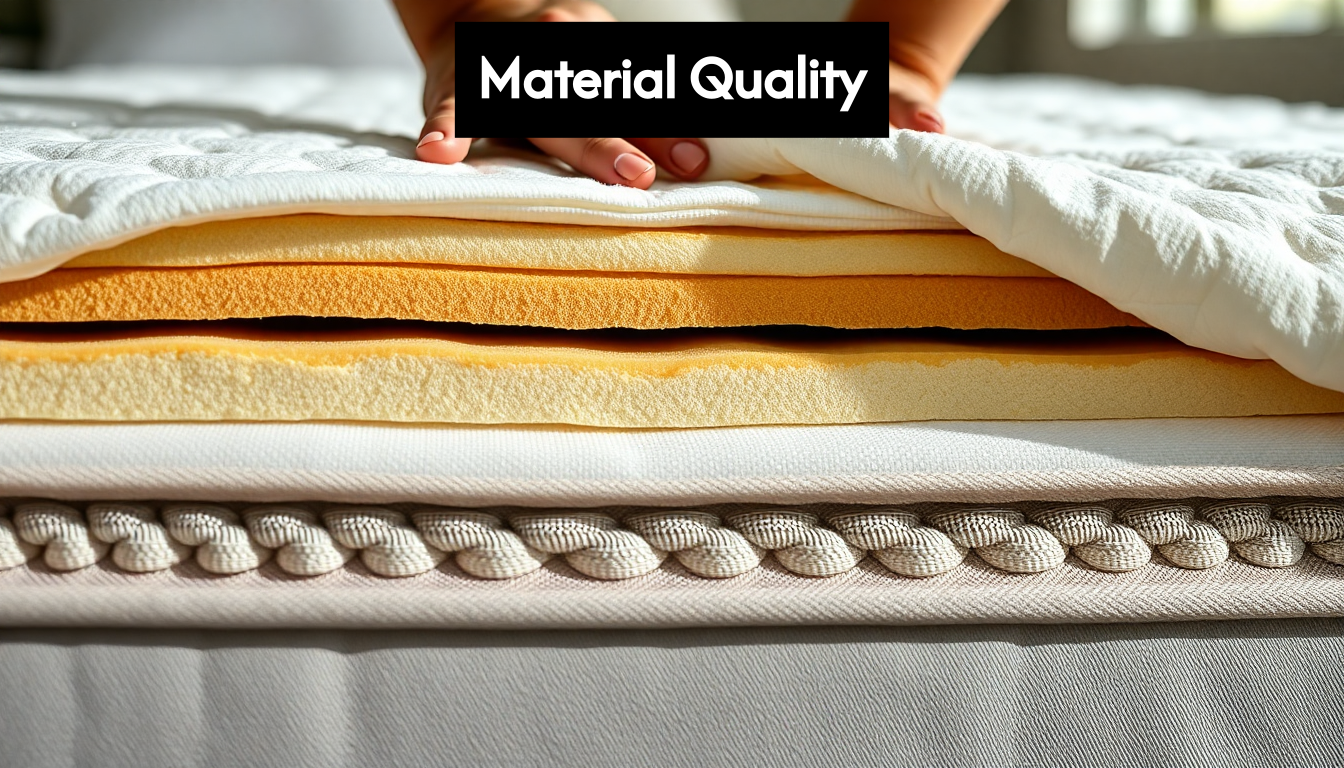
The exceptional difference between quality beds and their budget counterparts often comes down to two fundamental elements: superior craftsmanship and premium materials. These factors not only determine how your bed feels on the first night but how it performs over years of use.
Quality beds incorporate materials specifically selected for durability, comfort, and performance. High-density memory foams maintain their responsiveness for years rather than months. Natural latex offers exceptional resilience while resisting impressions. Tempered steel coil systems provide consistent support without premature sagging. These premium components cost more initially but deliver exponentially greater value through extended performance.
The difference becomes readily apparent when examining the construction specifications. Budget mattresses typically use lower-density foams (1.5 pcf or less) that compress quickly under regular use, while quality options feature denser foams (1.8-5.0 pcf) that retain their supportive properties. Similarly, coil counts and gauges in innerspring systems directly influence longevity—quality beds often feature 800+ individually wrapped coils in queen sizes, compared to 400-600 in budget alternatives.
Beyond raw materials, the methods used to assemble beds significantly impact their performance. Quality beds benefit from precise manufacturing techniques that enhance structural integrity. Hand-tufting, a labour-intensive process where the mattress layers are secured together with tufts pulled through the entire thickness, prevents shifting and bunching of materials over time. This careful assembly means your mattress maintains consistent support throughout its lifespan.
Edge support construction represents another crucial craftsmanship element. Quality beds feature reinforced perimeters that prevent the edges from collapsing when you sit or sleep near them. This thoughtful design detail increases the usable sleep surface and extends mattress longevity by distributing weight more effectively across the entire structure.
The materials in quality beds aren’t just more durable—they’re often healthier too. Leading manufacturers prioritize low-VOC (volatile organic compound) materials that minimize off-gassing and potential respiratory irritants. Many premium beds now feature certified organic cotton covers, natural wool fire barriers instead of chemical treatments, and CertiPUR-US® certified foams that are made without ozone depleters, mercury, lead, formaldehyde, and regulated phthalates.
For people with allergies or chemical sensitivities, these material choices represent significant quality-of-life improvements. The investment in a quality bed often includes investing in a healthier sleep environment—something impossible to quantify in mere pounds and pence.
Superior craftsmanship also enables more sophisticated zoned support systems. Quality beds frequently incorporate varying firmness levels across different body regions, providing firmer support for heavier areas like the hips and shoulders while offering gentler pressure relief elsewhere. This targeted approach to support isn’t merely more comfortable—it actively promotes proper spinal alignment and reduces pressure points.
Many quality manufacturers now offer customization options that were unimaginable in budget lines. Split firmness designs for couples with different preferences, adjustable layers that can be rearranged to change the feel, and modular components that can be replaced individually rather than requiring a complete bed replacement all represent craftsmanship innovations that deliver exceptional long-term value.
Thoughtful material selection in quality beds extends to temperature regulation, a critical component of sleep comfort. Premium mattresses incorporate phase-change materials, breathable natural fibres, and advanced cooling technologies that help maintain optimal sleeping temperatures. These specialized materials cost substantially more than standard foams and fabrics, but they address one of the most common sleep disruptors—overheating during the night.
The craftsmanship and material quality in premium beds represent not just luxury touches but fundamental performance differences that directly impact your sleep quality. When you understand why invest in quality beds from this perspective, the value proposition becomes clear: you’re not simply buying a nicer-looking product but a meticulously engineered sleep system designed to deliver consistent performance night after night, year after year.
Navigating the complex world of quality beds can be overwhelming, especially with manufacturers using technical jargon and marketing claims that often blur the line between genuine quality and clever advertising. Here’s how to cut through the noise and select a truly quality bed that meets your specific needs.
Before shopping, familiarize yourself with the fundamental construction elements that determine bed quality. For innerspring mattresses, look for a coil count above 800 for queen sizes and gauge ratings between 12-15 (lower numbers indicate thicker, more durable wire). For memory foam, density ratings above 1.8 pcf (pounds per cubic foot) for support layers and 3.5+ pcf for comfort layers indicate better durability.
Pay particular attention to how the mattress layers work together. Quality beds feature thoughtful transitions between comfort, response, and support layers rather than simply stacking materials. Ask retailers specific questions about internal construction—vague answers often indicate inferior products.
When testing beds in showrooms, approach the experience strategically rather than simply lying down for a few moments. Spend at least 10-15 minutes in your typical sleeping position. Bring your own pillow if possible, as this creates a more accurate simulation of your actual sleep environment.
Test specifically for pressure points by focusing on how the mattress feels under your shoulders, hips, and lower back. Quality beds should distribute weight evenly without creating uncomfortable pressure or allowing excessive sinking. If possible, test how easy it is to change positions—some beds create a “stuck” feeling that can disrupt sleep when you move during the night.
Temperature regulation stands among the most important yet overlooked aspects of bed quality. Many people report overheating as a primary reason for disrupted sleep. Ask about specific cooling technologies beyond marketing buzzwords, looking for substantive features like:
Be especially vigilant about these features if you tend to sleep hot or live in warmer climates, as temperature regulation can significantly impact sleep quality regardless of other support features.
While longer warranties generally indicate manufacturer confidence, the specific terms matter more than the headline years. Quality beds typically offer non-prorated coverage periods of 10+ years, meaning the company will repair or replace defective mattresses without charge during this period.
Pay close attention to the warranty’s definition of covered defects. Quality manufacturers specify reasonable body impressions (typically 1.5 inches or deeper) as warranty-eligible issues, while budget brands often require deeper impressions (2+ inches) before honoring claims. Also note exclusions—some warranties become void if you don’t use specific foundation types or protective covers.
Genuine quality bed manufacturers stand behind their products with meaningful sleep trials. Look for trial periods of at least 100 nights with straightforward return policies. Be wary of trials with excessive return fees, complex return procedures, or requirements that you keep the mattress for a minimum period before returning.
The best companies offer truly risk-free trials that include free pickup and full refunds. This confidence in their product reflects the manufacturer’s belief that customers will be satisfied after experiencing their beds over time—a hallmark of true quality.
While innovative newcomers can certainly produce quality products, established manufacturers with proven track records offer a certain reassurance. Research company history, read customer experiences beyond the featured testimonials, and check independent review sites for consistent patterns in feedback.
Quality bed manufacturers typically demonstrate transparency about their materials, construction methods, and manufacturing locations. They readily provide detailed specifications rather than hiding behind proprietary technology claims that cannot be verified.
When you understand why invest in quality beds, you recognize that careful selection is essential to realizing the full value of your investment. These selection strategies help ensure you find a genuinely superior product rather than simply an expensive one with clever marketing. Take your time, ask detailed questions, and remember that this decision affects your sleep quality for years to come—making it worth the additional research effort.
Investing in a quality bed enhances sleep health significantly by improving physical recovery, boosting immune function, enhancing mental wellbeing, and reducing pain. It also helps in long-term health protection.
Quality beds save money in the long run by lasting longer than cheaper alternatives, which often require more frequent replacements. This reduces overall expenses on bedding and potential health-related costs due to poor sleep.
Look for high-density foams, natural latex, and tempered steel coils in a quality mattress. These materials offer durability, support, and comfort, which are essential for a good night’s sleep.
To select the right quality bed, familiarise yourself with core construction features, test mattresses in your typical sleeping position, evaluate temperature regulation, scrutinise warranty details, and consider sleep trial conditions.
Quality sleep is key to flourishing in life, and investing in the right bed can be a game-changer. As the article highlights, poor sleep leads to negative health impacts, while a well-chosen bed boosts recovery, cognitive function, and overall wellbeing. If you find yourself struggling with discomfort or restless nights, it might be time to reassess your bedding choices.
At Number One Beds, we believe every UK household deserves a stylish and supportive sleep environment. Our wide selection of beds and mattresses, tailored for various styles and preferences, is designed to elevate your sleeping experience. From luxurious pocket sprung mattresses to versatile ottoman beds offering practical storage, we have thoughtfully crafted options that cater to your unique needs.
Ready to take the first step towards better sleep? Explore our range now at Number One Beds and discover how investing in quality bedding can enhance your life—because a restful night is just a click away!
