
Most people think upgrading a mattress is just about comfort. But a recent UK survey found that 68 percent of respondents blamed their mattress for poor sleep quality. Surprising, right? Many obsess over luxury bedding or blackout curtains, yet the real power lies beneath you. The real shock comes from how much your mattress can affect not just sleep, but mood, daily energy, and even long-term health. There is more happening here than meets the eye.
| Takeaway | Explanation |
|---|---|
| Mattress Quality Directly Affects Sleep | An uncomfortable mattress can trigger physical challenges such as spinal misalignment, leading to disrupted sleep quality. 68% of respondents in a UK survey linked their sleep issues to mattress discomfort. |
| Key Features Enhance Sleep Quality | Factors like material composition, temperature regulation, and ergonomic support determine how well a mattress supports restful sleep, making it essential to choose wisely based on personal needs. |
| Personalisation is Key in Mattress Selection | Individual sleep needs vary significantly; consider body weight, sleeping positions, and lifestyle factors when selecting a mattress to ensure optimal comfort and support. |
| Investing in a Quality Mattress is Strategic | Upgrading to a quality mattress not only enhances sleep and health but can also reduce long-term healthcare costs and improve daily productivity. |
| Technological Advances Offer New Solutions | Modern mattresses feature innovations such as smart technologies and cooling materials, which actively contribute to better sleep environments, making them a worthwhile investment for homeowners. |
Sleep is not just about closing your eyes and resting. It’s a complex physiological process deeply influenced by your sleeping environment, with your mattress playing a pivotal role. The connection between mattress quality and sleep quality is far more intricate than most people realise.
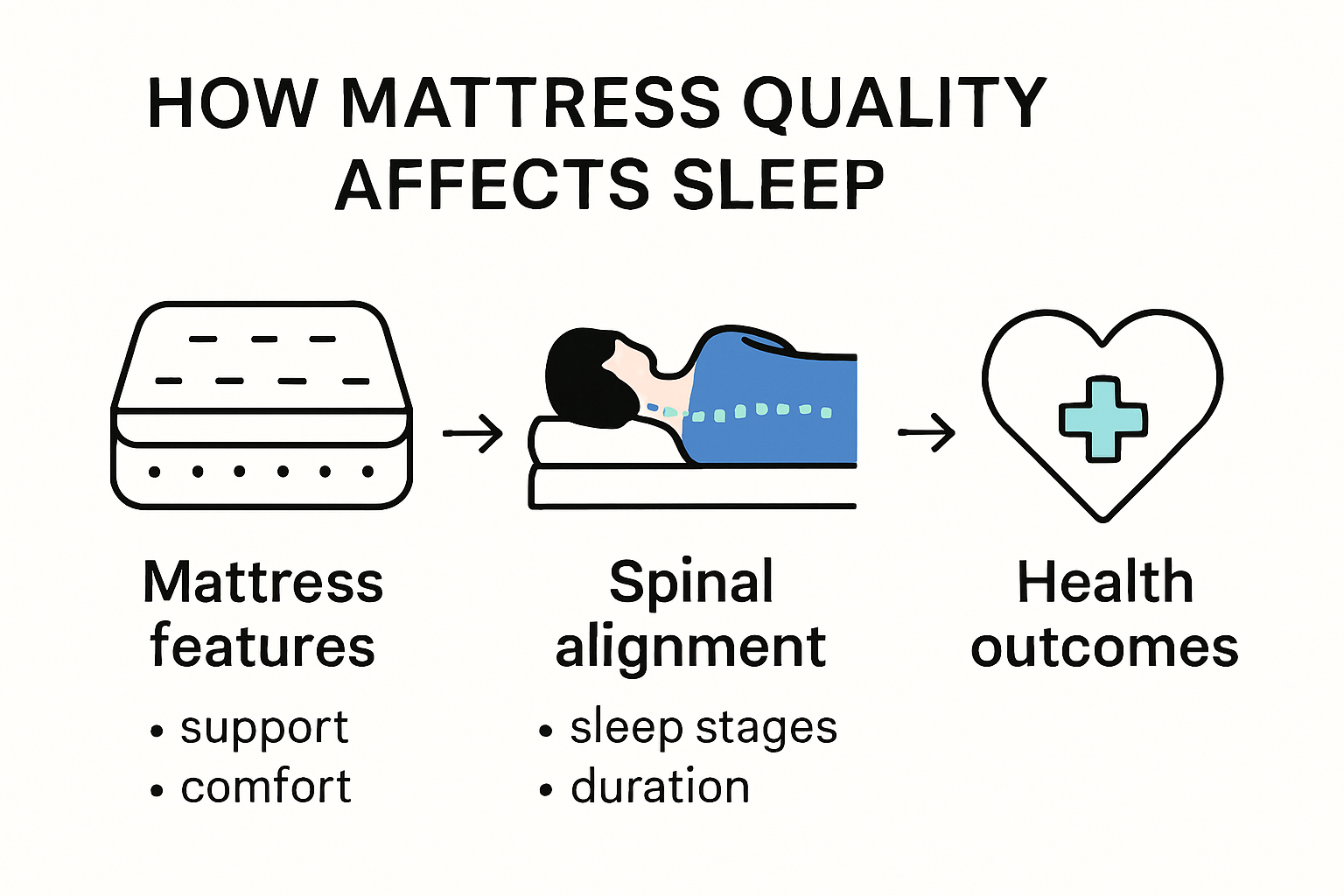
Your mattress serves as the fundamental foundation for sleep, directly affecting your body’s alignment, pressure distribution, and comfort levels. When a mattress fails to provide proper support, it can trigger a cascade of physical challenges that disrupt sleep quality. According to the Panda 2025 UK Sleep Report, 68% of UK respondents reported that an uncomfortable mattress was a primary factor negatively impacting their sleep.
The human body requires specific support mechanisms during sleep. An inappropriate mattress can create misalignment in the spine, leading to muscle tension, joint strain, and persistent discomfort. For instance, a mattress that’s too soft might cause your spine to sag, while an overly firm surface can create pressure points that interrupt natural sleep cycles.
Experts from The Sleep People UK emphasise that selecting the right mattress involves understanding individual biomechanical needs. Different body weights, sleeping positions, and personal comfort preferences demand tailored mattress characteristics.
Research indicates that mattresses influence sleep quality through multiple interconnected factors:
The Sleep Hero UK research methodology further highlights that mattress selection isn’t just about comfort—it’s a critical health decision. A mattress that doesn’t support proper sleep can contribute to chronic issues like back pain, reduced cognitive function, and compromised immune response.
Interestingly, mattress technology has evolved significantly. Modern designs incorporate advanced materials like memory foam, hybrid constructions, and adaptive support systems that respond dynamically to body movements. These innovations aim to create personalised sleep environments that adapt to individual physiological needs.
For those seeking to understand the nuances of mattress selection, recognising the profound connection between mattress quality and sleep health is the first step towards transforming your nightly rest. It’s not merely about purchasing a mattress—it’s about investing in your overall well-being.
Choosing the right mattress involves understanding specific features that directly influence sleep quality. Beyond simple comfort, modern mattresses incorporate advanced technologies and design elements that significantly impact your nightly rest.
The core materials of a mattress play a crucial role in determining sleep quality. Different materials offer unique benefits tailored to various sleep needs. According to research from Luxe Mattresses, smart mattresses with advanced technologies can now monitor sleep patterns and automatically adjust to individual sleeping positions.
Key material considerations include:
Temperature plays a critical role in sleep quality. Centro Bed Sleep Research indicates that maintaining an optimal sleeping temperature is essential for uninterrupted rest. Modern mattresses incorporate advanced cooling technologies such as:
These features help prevent overheating, which can cause frequent awakenings and reduce overall sleep quality. For families with children or individuals who tend to sleep hot, these technologies become particularly important.
Ergonomic support is perhaps the most critical feature influencing sleep quality. A mattress must provide proper spinal alignment and pressure distribution to ensure restorative sleep. Our comprehensive guide to mattress selection highlights the importance of matching mattress firmness to individual body types and sleeping positions.
Factors influencing mattress support include:
Investment in a high-quality mattress is not merely about comfort—it’s a fundamental health decision. A well-designed mattress can improve sleep patterns, reduce physical stress, and contribute to overall well-being. By understanding these key features, homeowners and families can make informed choices that transform their sleep experience and support long-term health.
Selecting the perfect mattress is a deeply personal journey that goes beyond simple purchasing decisions. It involves understanding your unique sleep requirements, physical characteristics, and lifestyle factors that contribute to optimal rest.
Each person’s sleep profile is as unique as their fingerprint. According to Which UK Mattress Research, independent lab tests reveal that mattress selection should be tailored to specific individual characteristics. Key factors to consider include:
For instance, side sleepers typically require softer mattresses that cushion pressure points around shoulders and hips, while back and stomach sleepers benefit from firmer surfaces that maintain proper spinal alignment.
Women’s Health Magazine UK Sleep Experts highlight that mattress selection should reflect not just sleep preferences, but overall lifestyle demands. Professionals with physically demanding jobs might need different support compared to sedentary workers. Hybrid mattresses combining pocket springs and memory foam offer versatile solutions for diverse needs.
Consider these lifestyle factors when selecting a mattress:
Advanced mattress technologies now provide unprecedented customisation. Good Housekeeping UK Consumer Trials demonstrate that modern mattresses offer features like targeted support zones, temperature-regulating materials, and adaptive comfort layers.
When exploring comprehensive mattress selection strategies, homeowners should prioritise:
Ultimately, choosing the right mattress is an investment in personal health and well-being. It requires careful consideration, personal testing, and an understanding that comfort is subjective. By approaching mattress selection as a holistic process that considers physical, lifestyle, and personal comfort needs, individuals can transform their sleep experience and overall quality of life.
Investing in a quality mattress represents more than a simple furniture purchase—it’s a strategic decision that impacts personal health, home value, and long-term well-being. Understanding the broader implications of mattress upgrades can help homeowners make informed decisions that extend far beyond immediate comfort.
The economic landscape of mattress investments is evolving rapidly. According to Ideal Home UK Market Research, the UK mattress market is projected to grow from £970 million to £1.55 billion over the next decade, reflecting increasing consumer recognition of mattress quality’s importance.
Financial benefits of mattress upgrades include:
The economic argument for investing in a quality mattress extends beyond immediate expenses. Life Can Be Tough Sleep Research indicates that improved sleep quality directly correlates with reduced medical expenses and enhanced work performance.
Modern mattress technologies offer unprecedented advantages for homeowners. Memory Foam Innovations for Home Comfort reveal that contemporary mattresses now provide features that transform sleeping experiences:
These technological improvements mean mattresses are no longer passive bedroom furniture but active contributors to health and lifestyle management. Homeowners can now select mattresses that actively monitor sleep patterns, regulate temperature, and provide personalised support.
A mattress upgrade should be viewed as part of a comprehensive home wellness strategy. The right mattress contributes to multiple aspects of personal and home health:
The investment in a quality mattress transcends immediate comfort. It represents a commitment to personal health, home environment quality, and long-term well-being. By approaching mattress selection as a strategic decision, homeowners can create spaces that nurture rest, recovery, and overall quality of life.
Ultimately, a mattress is more than a piece of furniture—it’s an investment in yourself and your home’s future. Careful selection, understanding technological advancements, and prioritising personal comfort can transform your sleeping experience and contribute to a healthier, more productive lifestyle.
A mattress directly influences sleep quality by providing essential support for your spine, regulating temperature, and distributing body weight evenly. An uncomfortable mattress can lead to misalignment and discomfort, resulting in disrupted sleep.
Key features to consider include the material composition (like memory foam or pocket sprung), temperature regulation capabilities, and ergonomic support. These features impact comfort levels and how well the mattress accommodates your sleeping position.
When selecting a mattress, consider your sleeping position: side sleepers typically need a softer surface for pressure relief, while back and stomach sleepers often require firmer support to maintain proper spinal alignment.
Yes, investing in a quality mattress can lead to long-term health benefits, including reduced back pain, improved mental well-being, better sleep quality, and lowered healthcare costs associated with poor sleep.
Many homeowners struggle with uncomfortable nights and wake up groggy simply because the mattress beneath them is not meeting their needs. This article revealed how the right support, optimal material, and specialised mattress features can protect your sleep quality, ease back pain, and benefit your family’s wellbeing. If aches, restless nights, or overheating are getting in the way of feeling refreshed, it is time for a change. A thoughtfully chosen mattress can deliver better spinal alignment, cooler sleep, and a real energy boost each morning. Explore options like memory foam for pressure relief or pocket sprung for targeted support, tailored to your sleeping position and preferences. Visit our Memory Foam Mattress Collection or Pocket Sprung Mattress Selection to see how smarter materials support you night after night.
Now is the perfect moment to make sleep a priority. See why so many families in the UK trust Number One Beds for quality, comfort, and real results. Start browsing today to upgrade your bedroom and experience the impact a perfect mattress can make. Sleep better. Live better. Try our comfort-matched mattresses and feel the difference from your very first night.
