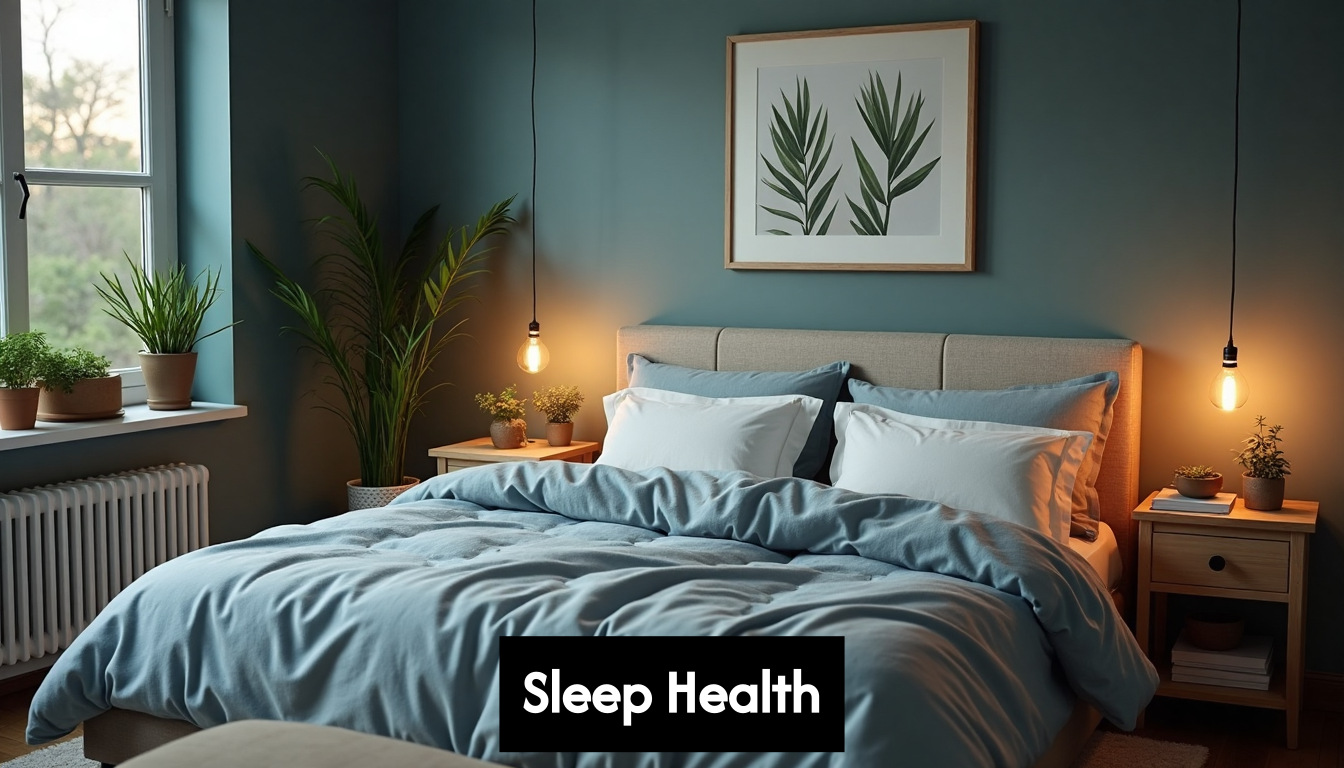
A good night’s sleep does far more than simply help you feel refreshed. It serves as a powerful tool in maintaining mental balance and emotional resilience. Surprisingly, while many people try quick fixes, scientific studies reveal that over 61% of people cite sleep itself as their main source of stress outside work. The unexpected solution isn’t just more sleep, but developing smarter routines and transforming your home environment to truly support your mind. Here is how small changes at home can have a surprisingly big impact on your mental well-being this year.
| Takeaway | Explanation |
|---|---|
| Sleep is crucial for mental health | Quality sleep helps the brain regulate emotional responses, consolidate memories, and improve cognitive function, making it essential for psychological wellness. |
| Create a calming bedroom environment | Use soft colours like greens and blues, natural materials, and smart technologies to design a bedroom that promotes relaxation and supports restful sleep. |
| Implement consistent family sleep routines | Establishing predictable evening activities can help regulate emotions and improve sleep quality for all family members, reducing stress and enhancing wellbeing. |
| Consider home improvements for sleep | Upgrading home infrastructure and incorporating biophilic design can create a supportive living space that reduces environmental stressors and enhances overall mental health. |
| Leverage technology for better sleep | Smart home technologies, such as automated lighting and temperature control, can create an optimal sleep environment that fosters relaxation and reduces cognitive load. |
Understanding the intricate relationship between sleep and mental health reveals profound connections that significantly impact our overall wellbeing. Poor sleep is not merely an inconvenience but a critical factor that can substantially influence psychological functioning and emotional resilience.
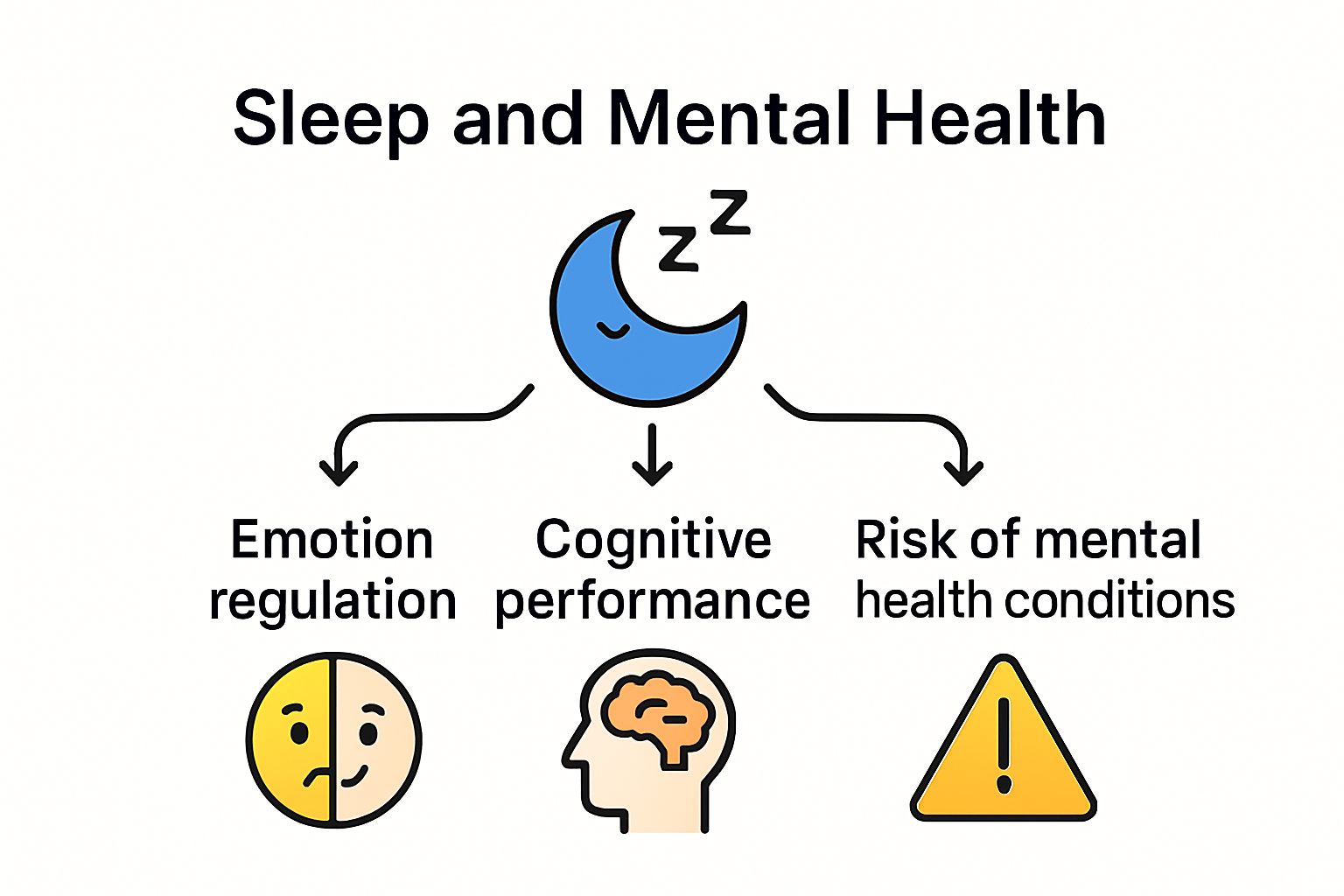
The brain undergoes complex processes during sleep that are fundamental to mental health maintenance. Research from the Mental Health Foundation demonstrates that disrupted sleep patterns directly correlate with increased risks of developing mental health challenges. During quality sleep, the brain consolidates memories, processes emotional experiences, and regenerates neural pathways essential for cognitive function.
Neurologically, insufficient or fragmented sleep impairs the brain’s ability to regulate emotional responses. This disruption can manifest as heightened stress sensitivity, reduced emotional control, and decreased ability to manage daily psychological challenges. The brain’s prefrontal cortex, responsible for rational decision making and emotional regulation, becomes significantly compromised when sleep quality deteriorates.
Modern life introduces numerous stressors that can create a cyclical challenge between sleep disruption and mental health. According to a comprehensive survey, nearly two-thirds of UK workers reported that stress directly interrupted their sleep patterns, with one in three noting significant impacts on their self-confidence and psychological resilience.
Financial pressures particularly exacerbate this challenge. Research indicates that approximately 30% of adults experience poorer sleep quality due to financial worries, creating a detrimental feedback loop where anxiety disrupts sleep, and poor sleep further intensifies anxiety. This cyclical pattern underscores the critical need for holistic approaches to managing both sleep and mental health.
Recognising the profound connection between sleep and mental health is the first step towards developing more resilient psychological strategies. By prioritising consistent sleep routines, creating supportive sleep environments, and addressing underlying stressors, individuals can significantly improve both their sleep quality and mental wellbeing.
Interestingly, our comprehensive guide on mattress selection provides additional insights into creating optimal sleep conditions that support mental health. Understanding that sleep is not merely a passive recovery process but an active, regenerative state can transform how we approach our nightly rest.
The intricate dance between sleep and mental health demands a nuanced, compassionate approach. It requires recognising that quality sleep is not a luxury but a fundamental pillar of psychological wellness. By investing in strategies that support consistent, restorative sleep, individuals can build stronger foundations for emotional resilience, cognitive clarity, and overall mental health.
Creating a sleep-conducive bedroom environment goes far beyond aesthetic considerations. The design of your sleeping space plays a critical role in supporting mental health and ensuring restorative rest. Strategic choices in colour, material, and layout can significantly transform your bedroom into a sanctuary of relaxation and psychological healing.
Colour selection emerges as a powerful tool in designing sleep-friendly spaces. According to design experts from Your Coffee Break, soft blues, greens, and neutral shades are recommended for bedroom walls in 2025. These calming colours promote relaxation by reducing visual stimulation and supporting the brain’s transition into restful states.
Matte finishes are specifically preferred over glossy paints to minimize light reflection, creating a soothing atmosphere that signals to your brain it is time to wind down. The subtle texture and muted tones help lower cortisol levels, the stress hormone that can interfere with sleep quality. Consider gentle sage greens, soft lavender blues, or warm taupe tones that create a sense of tranquillity without overwhelming the senses.
The materials surrounding your sleeping environment profoundly impact sleep quality. The Wool Room highlights the growing trend of sustainable, natural materials in bedroom design. Organic wool, bamboo bedding, and breathable textiles are not just environmentally conscious choices but strategic investments in sleep health.
These natural materials offer superior temperature regulation, moisture-wicking properties, and hypoallergenic benefits. Wool, for instance, helps maintain consistent body temperature, reducing nighttime awakening caused by temperature fluctuations. Bamboo fabrics provide exceptional softness and breathability, creating a comfortable microclimate that supports deeper, more restorative sleep.

Emerging bedroom technologies offer innovative solutions for creating optimal sleep environments. Oxford Homeware emphasizes the rise of smart bedroom technologies in 2025, including voice-controlled lighting and automated blinds that can be customized to support natural sleep cycles.
These technological interventions allow precise control over environmental factors. Automated systems can gradually dim lights to mimic natural sunset, triggering melatonin production. Intelligent blinds can adjust to block external light during sleep and allow natural morning light to gently wake you, supporting your circadian rhythm.
Explore our comprehensive bedroom design guide for more detailed strategies on creating a sleep-supportive environment. Remember, your bedroom is more than just a room—it is a crucial space for mental and physical restoration. By thoughtfully designing this space, you invest in your overall wellbeing, creating a personal sanctuary that nurtures both body and mind.
Establishing consistent sleep routines is fundamental to supporting mental health across all family members. These routines serve as critical anchors that help regulate emotions, reduce stress, and create a sense of predictability in an often chaotic family environment.
Consistent evening routines are more than just a series of actions—they are psychological preparation for rest. Research from Place2Be reveals that children and young people who get less than the recommended 9 hours of sleep on a school night are significantly more likely to report worries interfering with their daily lives.
Key elements of an effective evening routine include establishing a predictable sequence of activities. Begin with a digital wind-down period approximately one hour before bedtime, where electronic devices are put away. Introduce calming activities such as reading together, gentle stretching, or quiet conversation. These shared moments not only prepare the body for sleep but also strengthen family bonds and provide opportunities for emotional processing.
Different family members require tailored approaches to sleep hygiene. For younger children, consistent bedtime stories and gentle lullabies can create a sense of security. Teenagers might benefit from more structured relaxation techniques like guided meditation or breathing exercises that help manage academic and social stress.
Parents play a crucial role in modelling healthy sleep behaviours. According to the Mental Health Foundation, public health campaigns emphasize that families should prioritize sleep habits alongside diet and exercise for overall wellbeing. This means being intentional about maintaining regular sleep and wake times, even on weekends.
Recognising and addressing sleep stressors is crucial for family mental health. The Mental Health UK Burnout Report highlights that 61% of respondents identified sleep as a major source of stress outside work. This statistic underscores the importance of creating supportive sleep environments and developing collective coping strategies.
Open family discussions about sleep challenges can help normalize these experiences. Create a supportive atmosphere where family members can share their sleep difficulties without judgment. Consider implementing collaborative solutions like establishing a calm pre-sleep environment, using soft lighting, maintaining comfortable room temperatures, and reducing noise disruptions.
Learn more about creating comfortable sleeping spaces that support your family’s unique needs. Remember, healthy sleep routines are not about perfection but consistent, compassionate effort. By working together and supporting each other’s sleep health, families can build resilience, improve emotional regulation, and create a nurturing environment that promotes mental wellbeing for every member.
Transforming your living space into a sanctuary that supports sleep and mental health requires strategic home improvements. Beyond aesthetic considerations, thoughtful modifications can create environments that actively promote psychological wellbeing and restorative rest.
Research from a comprehensive UK study reveals that housing condition interventions can significantly impact mental health. A medical research publication found that improvements such as new windows, doors, boiler replacements, kitchen and bathroom upgrades, electrical work, and insulation were associated with measurable improvements in mental wellbeing.
Specifically, upgrading home infrastructure can reduce environmental stressors. Better insulation minimizes noise disruption, while improved windows can regulate temperature and light exposure. These seemingly technical improvements directly contribute to creating a more stable, comfortable environment that supports better sleep and reduced anxiety.
The 2025 interior design landscape is increasingly focused on biophilic principles that connect inhabitants with natural environments. Seasons in Colour reports that over 69% of UK homeowners now consciously consider mental health in their home design, a trend accelerated by recent global events.
Incorporating natural materials, maximizing natural light, and introducing indoor plants can transform living spaces. Sustainable materials like bamboo flooring, wool rugs, and organic cotton textiles not only create tactile comfort but also contribute to a sense of calm. Large windows or strategically placed mirrors can enhance natural light exposure, which GFD Homes notes can help regulate sleep cycles and boost overall energy levels.
Smart home technologies offer innovative solutions for creating sleep-supportive environments. Automated lighting systems that mimic natural circadian rhythms, smart thermostats that maintain optimal sleeping temperatures, and noise-cancelling technologies can significantly enhance sleep quality.
Consider integrating voice-controlled systems that can gradually dim lights, play calming sounds, or adjust room temperature without manual intervention. These technologies reduce cognitive load and create a seamless, stress-free environment conducive to relaxation.
Discover how the right mattress can complement your home improvements and elevate your sleep experience. Remember, home improvements for sleep and wellbeing are not about perfection but creating a personalised environment that nurtures your mental and physical health. Each modification, no matter how small, is a step towards a more restful, supportive living space.
Quality sleep is essential for mental health as it helps the brain regulate emotional responses, consolidate memories, and improve cognitive function. Disrupted sleep can lead to increased stress and mental health challenges.
To create a calming bedroom, use soft colours like blues and greens, incorporate natural materials like organic cotton and wool, and consider smart technologies to optimise lighting and temperature. These elements can significantly enhance relaxation and sleep quality.
Consistent evening routines, such as digital wind-down periods, calming activities like reading, and setting regular sleep times can help regulate emotions and improve sleep quality for all family members. Tailoring these routines to different age groups is also beneficial.
Upgrading home infrastructure (like insulation and windows) can reduce environmental stressors while incorporating biophilic design elements, such as natural light and indoor plants, promotes a sense of calm. Smart home technologies can also enhance sleep environments.
If you are struggling with stress from disrupted sleep, restless nights or a bedroom that never quite feels relaxing, you are not alone. As this article has shown, poor sleep is tightly linked to mental health and your home environment has a huge influence on both. The good news is small changes can make a big difference. Start by making your sleep space truly supportive with the right foundation. Explore our curated range on the Mattresses page, where each product is designed to improve comfort and help you develop resilient sleep patterns for better emotional wellbeing.

Ready to break the cycle of restless nights and emotional fatigue? Begin your journey to quality rest by visiting Number One Beds. Invest in sleep solutions that match your unique needs. There has never been a more important time to create a calm bedroom that helps you wake up recharged and mentally balanced.
