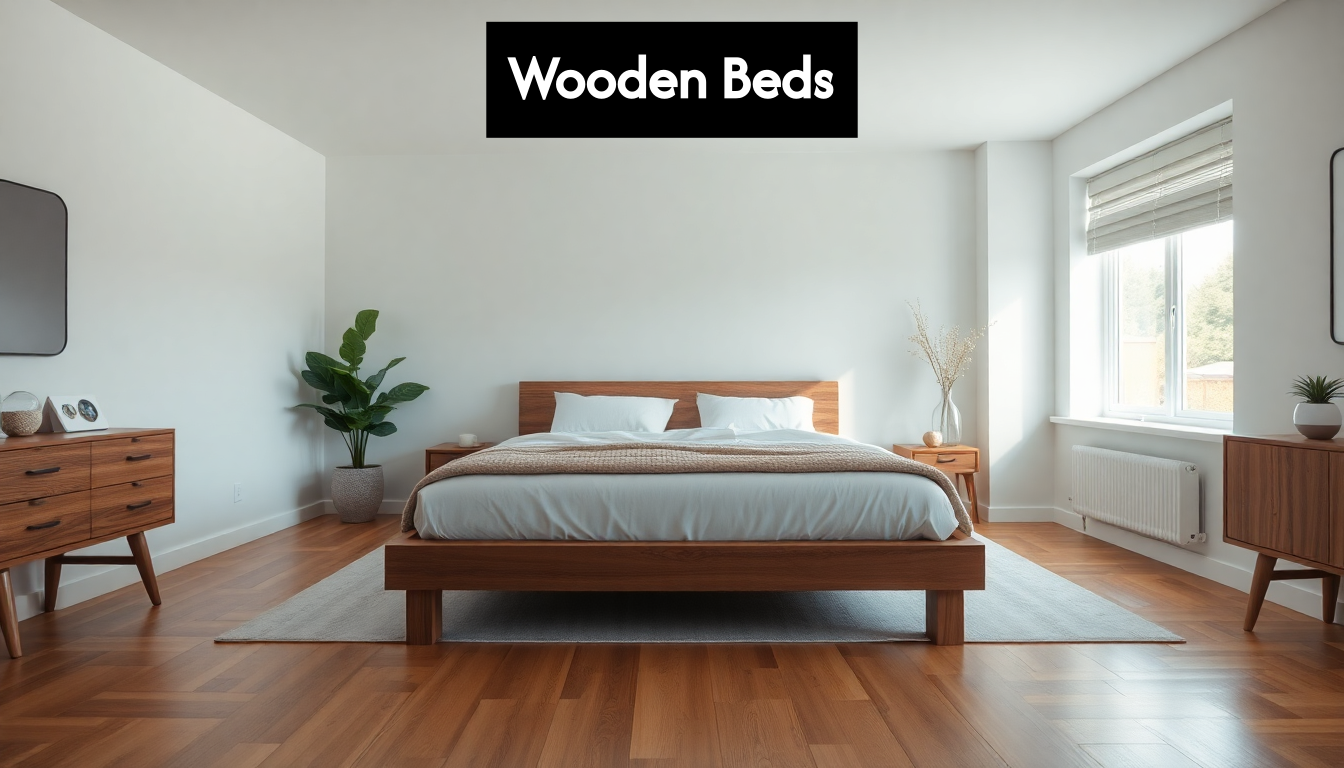
Wooden bed frames have long been a staple in home design, but their relevance is only growing as we approach 2025. What may surprise you is that a wooden bed frame can last more than 20 years, outperforming many modern alternatives in durability. Yet the real twist is that these frames are not just sturdy—they actively improve your sleep quality by regulating bedroom humidity and airflow. Choosing wood is about more than style; it’s a smart investment in comfort, health, and sustainability.
| Takeaway | Explanation |
| Superior Durability | Wooden bed frames can last decades, making them a long-term investment compared to alternatives, which may require replacement sooner. |
| Health Benefits | Wooden frames improve sleep quality by regulating humidity and promoting better mattress ventilation, contributing to a more comfortable sleeping environment. |
| Aesthetic Versatility | Wooden bed frames complement various design styles, offering timeless appeal that enhances bedroom aesthetics and can adapt to changing decor. |
| Eco-Friendly Choice | Sourced responsibly, wooden bed frames are a sustainable option that captures carbon, and their biodegradability at end-of-life minimises environmental impact. |
| Overall Value | Despite a higher initial cost, wooden frames typically provide better long-term value due to their durability, timeless design, and retention of resale value. |
When exploring bedroom furniture options, wooden bed frames consistently stand out as a preferred choice for homeowners and interior designers alike. The question “why buy wooden bed frames” has a multitude of compelling answers that go beyond mere aesthetics. These natural wonders bring numerous advantages that metal, upholstered, or composite alternatives simply cannot match.
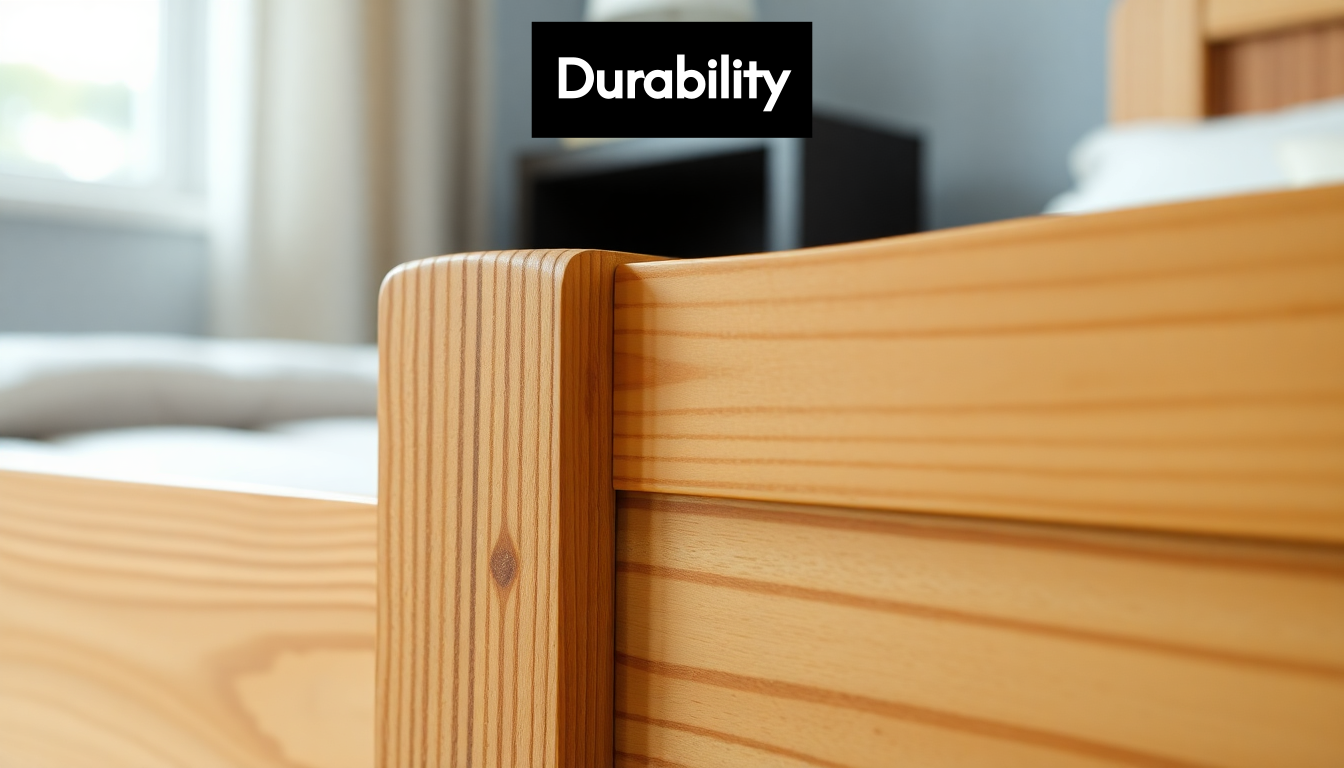
Wooden bed frames are renowned for their exceptional durability. High-quality hardwoods like oak, maple, walnut, and cherry can withstand decades of daily use without compromising structural integrity. Unlike metal frames that may bend or develop squeaks over time, wooden frames maintain their strength and stability year after year. This remarkable longevity makes them not just purchases but investments that can potentially be passed down through generations.
The natural density and strength of wood allow these frames to support substantial weight without sagging or weakening. When properly maintained with occasional polishing and protection from extreme moisture, wooden bed frames can outlast most other furniture in your home. For budget-conscious consumers, this extended lifespan translates to significant long-term value despite the potentially higher initial investment.
Beyond their physical properties, wooden bed frames may offer surprising health advantages. According to research published in the Journal of Wood Science, there’s a significant association between wood in bedrooms and improved sleep quality. The study found that individuals with substantial wood in their sleeping environments reported greater bedroom comfort and showed lower rates of insomnia compared to those without wooden elements.
Wood naturally regulates humidity by absorbing excess moisture when the air is damp and releasing it when conditions are dry. This hygroscopic property helps maintain optimal humidity levels in your bedroom, potentially reducing respiratory irritation and creating a more comfortable sleeping environment. Additionally, many wooden bed frames feature slat systems that promote better mattress ventilation, extending mattress life while reducing allergen buildup.
One of the most compelling reasons people choose wooden bed frames is their timeless aesthetic appeal. Wood offers incredible versatility that complements virtually any interior design approach. From rustic farmhouse styles with reclaimed timber to sleek contemporary designs with smooth, light-colored woods, there’s a wooden bed frame for every taste and décor scheme.
The natural grain patterns unique to each piece of wood create visual interest that manufactured materials cannot replicate. Whether you prefer the rich, dark tones of walnut, the golden warmth of oak, or the subtle elegance of maple, wooden bed frames provide distinctive character to your bedroom. They can serve as either stunning centerpieces or subtle foundations that allow other elements to shine.
Unlike trending design materials that quickly become dated, wooden bed frames maintain their appeal across changing fashion cycles. This enduring style relevance is particularly valuable when considering why to choose wooden beds for long-term home investments. The natural warmth of wood creates an inviting, cosy atmosphere that synthetic materials often fail to achieve, contributing to the overall comfort and tranquility of your bedroom sanctuary.
When considering why buy wooden bed frames, understanding what makes a quality frame and how durability factors into your purchase decision becomes essential. Not all wooden bed frames are created equal, and knowing the differentiating factors can help you make an informed investment in your sleep comfort and bedroom aesthetics.
Quality in wooden bed frames stems from several key elements that work together to create a superior product. First and foremost is the wood selection itself. Premium hardwoods like oak, maple, walnut, and cherry offer natural strength and distinctive grain patterns that contribute to both durability and beauty. These woods have stood the test of time in furniture making precisely because their physical properties make them ideal for load-bearing structures like bed frames.
Construction techniques dramatically influence quality as well. High-quality wooden bed frames typically feature traditional joinery methods such as mortise and tenon, dovetail joints, or reinforced corner blocks. These techniques create stronger connections between frame components than simple screws or nails alone. The attention to detail in these joints reflects craftsmanship that directly translates to structural integrity and longevity.
According to research on product quality dimensions, durability and reliability consistently rank among the most important factors influencing customer satisfaction with furniture and other durable goods. This correlation between quality construction and customer satisfaction explains why reputable bed frame manufacturers emphasise their construction methods and material selection.
Durability in wooden bed frames can be assessed through several critical factors. Wood density directly correlates with resistance to wear and physical stress. Denser hardwoods like oak and maple will generally outlast softer woods like pine, though properly treated pine can still provide good service in quality frames. The thickness of the main support components also matters significantly—substantial side rails and sturdy corner posts distribute weight more effectively and resist warping over time.
Finishing quality plays a dual role in both aesthetics and protection. A properly applied finish seals the wood against moisture and environmental damage while highlighting the natural beauty of the grain. Multiple finishing layers, hand-sanded between applications, create both a smoother appearance and a more protective barrier against everyday wear. This attention to finishing details often distinguishes truly premium frames from mass-produced alternatives.
The hardware used in wooden bed frames further impacts their durability. Quality frames feature heavy-duty metal brackets, reinforced connection points, and precision-fit components that minimise movement and prevent the loosening that leads to squeaks and structural weakness. Stainless steel or brass hardware offers superior corrosion resistance compared to less expensive alternatives, ensuring that these critical components maintain their functionality throughout the frame’s lifespan.
When evaluating why choose wooden beds from a financial perspective, it’s worth considering the total cost of ownership rather than just the initial purchase price. A well-constructed wooden frame might cost more upfront than alternatives, but its extended lifespan offers better value over time. While a cheaper frame might need replacement after 5-7 years, a quality hardwood frame can easily last 20+ years with proper care.
This longevity factor means the annual cost of ownership (purchase price divided by years of use) often favors higher-quality wooden frames. Additionally, wooden frames tend to maintain their aesthetic appeal over longer periods, reducing the desire to replace them simply for style reasons. Their timeless design versatility means they adapt well to changing bedroom decor, further extending their practical lifespan in your home.
Quality wooden bed frames also typically retain resale value better than budget alternatives. Should your needs or preferences change, a well-maintained hardwood frame often commands a respectable resale price, further enhancing its long-term value proposition. This combination of extended usability and value retention makes understanding quality and durability crucial when considering why buy wooden bed frames for your home.
As environmental awareness continues to influence purchasing decisions across all aspects of home furnishing, the question of why buy wooden bed frames takes on additional significance from a sustainability perspective. Wooden bed frames represent one of the more environmentally conscious furniture choices available to today’s consumers, offering numerous ecological advantages that align with growing demands for responsible consumption.
Wood stands apart from other bed frame materials primarily because it comes from a renewable resource. Unlike metal frames that require mining of finite mineral resources or synthetic frames made from petroleum-based products, properly sourced wooden bed frames utilise materials that can be continuously replenished. Trees harvested for furniture can be replaced with new growth, creating a potentially sustainable cycle of resource use when managed responsibly.
The environmental impact of wooden bed frames extends beyond just resource renewability. Trees actively capture carbon dioxide throughout their growth cycle, effectively storing carbon that would otherwise contribute to greenhouse gas levels. When wood is transformed into durable goods like bed frames, this carbon remains sequestered for the product’s entire lifespan. A quality wooden bed frame that lasts decades keeps this carbon locked away far longer than products with shorter lifecycles.
According to research on sustainability practices, consumer demand for environmentally responsible products has significantly increased in recent years, with furniture being a key category where sustainability influences purchasing decisions. This reflects growing recognition that everyday choices, including bedroom furniture, contribute to our overall environmental footprint.
Not all wooden bed frames offer the same ecological benefits. The sustainability advantage depends heavily on responsible sourcing practices. Certification systems like the Forest Stewardship Council (FSC) and the Programme for the Endorsement of Forest Certification (PEFC) provide verification that wood comes from forests managed according to strict environmental and social standards. These certifications ensure that forest biodiversity is protected, worker rights are respected, and harvesting practices maintain long-term forest health.
Many manufacturers now prominently feature these certifications in their marketing, making it easier for consumers to identify truly sustainable options. When evaluating why choose wooden beds for environmental reasons, looking for these certification labels provides assurance that your purchase supports responsible forestry practices rather than contributing to deforestation or habitat destruction.
Beginning to gain popularity are wooden bed frames made from reclaimed or salvaged wood. These products repurpose timber from old buildings, barns, factories, or other structures, giving new life to materials that might otherwise be discarded. The environmental benefits here are twofold: preventing usable wood from entering landfills while simultaneously reducing demand for newly harvested timber. The character and history embedded in reclaimed wood also creates unique aesthetic appeal that mass-produced options cannot match.
The environmental benefits of wooden bed frames extend to their eventual end-of-life scenario. Unlike composite materials that often cannot be recycled due to mixed components or chemical treatments, solid wood remains biodegradable even after decades of use. When a wooden bed frame eventually reaches the end of its serviceable life, it can be repurposed, recycled into other wood products, or naturally decomposed with minimal environmental impact.
This biodegradability stands in stark contrast to metal frames that require energy-intensive recycling processes or synthetic materials that may persist in landfills for centuries. The natural composition of wood means it can return to the environment without leaving persistent pollutants or requiring specialised disposal techniques. This complete lifecycle perspective further strengthens the case for why buy wooden bed frames when environmental considerations factor into purchasing decisions.
The sustainability advantages of wooden bed frames align perfectly with broader shifts toward conscious consumption. By choosing wood over less sustainable alternatives, consumers make a statement about valuing long-term environmental health over momentary convenience. The growing availability of responsibly sourced options means that aesthetic preferences need not be compromised to achieve these ecological benefits, making wooden bed frames an increasingly popular choice for environmentally minded homeowners.
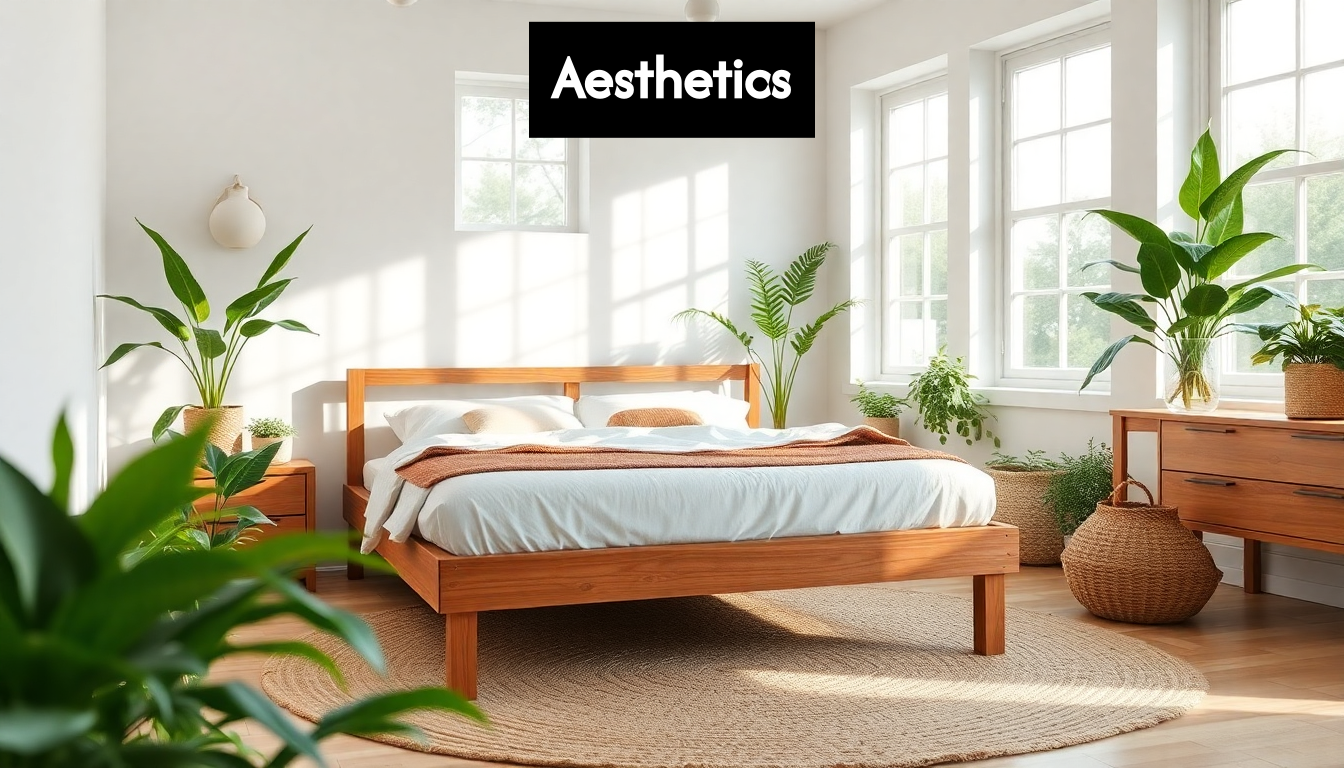
The aesthetic impact of furniture choices cannot be overstated, particularly in spaces as personal and important as bedrooms. When considering why buy wooden bed frames, their unique ability to enhance home aesthetics naturally emerges as a compelling reason. Wooden bed frames bring an inherent warmth and character to bedroom spaces that synthetic alternatives simply cannot replicate.
The growing popularity of wooden bed frames aligns perfectly with the rising trend of biophilic design—an approach that seeks to connect interior spaces with nature. This design philosophy recognises our innate affinity for natural elements and their positive impact on our wellbeing. Wooden bed frames serve as substantial biophilic elements that ground bedroom spaces in natural materials.
According to research on biophilic interior design, incorporating natural elements like wood into living spaces can significantly improve psychological wellbeing, reduce stress, and create more restorative environments. The study found that exposure to natural materials in built spaces positively affects not only mental and emotional health but also influences social interaction and environmental attitudes. These findings help explain why many interior designers prominently feature wooden elements in bedroom designs.
The natural variations in wood grain patterns create visual interest that manufactured materials struggle to match. Each wooden bed frame tells a unique story through its distinctive markings, knots, and color variations. This organic uniqueness brings authenticity to bedroom spaces, creating visual focal points that feel both grounding and subtly dynamic.
One of the most compelling reasons why choose wooden beds for aesthetic purposes is their remarkable versatility across different interior design approaches. From minimalist Scandinavian styles to rustic farmhouse aesthetics, traditional designs to contemporary expressions, wooden bed frames adapt effortlessly to diverse design languages.
In modern minimalist spaces, light woods like ash or maple with clean lines create an airy, uncluttered feel while still providing natural texture. For traditional bedrooms, the rich tones of cherry or mahogany bring gravitas and elegance. Industrial-inspired interiors benefit from the warmth that reclaimed wooden frames introduce to otherwise cool, metal-dominated spaces. This adaptability makes wooden bed frames practical investments even as design preferences evolve over time.
The finish applied to wooden bed frames further extends their versatility. Natural oil finishes highlight the wood’s inherent characteristics while providing subtle protection. Matte polyurethane creates a more contemporary look while offering stronger protection. Painted finishes allow wooden frames to coordinate with specific color schemes while still benefiting from wood’s structural advantages. This finishing flexibility permits wooden bed frames to satisfy virtually any aesthetic direction.
Wooden bed frames excel at creating visual harmony within bedroom spaces through their natural ability to complement other elements. Wood’s neutral yet warm character allows it to pair beautifully with diverse textiles, wall colors, and decorative objects. The organic nature of wood helps bridge different design elements, creating cohesive spaces that feel thoughtfully curated rather than randomly assembled.
The inherent warmth of wooden tones counterbalances the coolness often found in contemporary bedding materials and electronics. This temperature contrast creates visual balance that makes bedrooms feel more inviting and restful. Similarly, the textural quality of wood grain provides a tactile element that complements both rough textiles like linen and smooth surfaces like glass or ceramic.
From a practical design perspective, wooden bed frames also provide excellent foundations for seasonal decor changes. Their enduring quality allows them to serve as constants while surrounding elements—bedding, artwork, accent pieces—can be updated to reflect changing seasons or evolving preferences. This anchoring quality makes wooden bed frames particularly valuable for those who enjoy refreshing their spaces periodically without replacing major furniture items.
The question of why buy wooden bed frames finds a compelling answer in their ability to enhance home aesthetics in ways that feel both timeless and natural. Their connection to biophilic design principles, versatility across styles, and talent for creating visual harmony make wooden bed frames standout choices for those who value both beauty and natural authenticity in their most personal spaces.
When evaluating why buy wooden bed frames, it’s valuable to compare wood against other common bed frame materials. This comparison helps highlight the unique advantages and potential limitations of wooden frames relative to metal, upholstered, and composite alternatives available in today’s market.
Metal bed frames, typically made from steel or iron, offer distinct characteristics that differ significantly from wooden options. Metal frames generally provide excellent strength-to-weight ratios, often making them lighter and easier to move than comparable wooden frames. They typically cost less initially, making them attractive for budget-conscious shoppers or temporary living situations.
However, wooden bed frames offer several advantages over their metal counterparts. While metal frames can develop squeaks from loosening joints and may conduct temperature (feeling cold in winter), wooden frames tend to maintain structural integrity better over time and provide a naturally neutral temperature feel. The environmental profile also differs substantially – metal production is energy-intensive and creates significant emissions, while wood stores carbon throughout its lifespan.
According to research on building materials, construction with wood products can reduce global warming potential by approximately 25% compared to traditional materials like steel. This significant difference extends to furniture manufacturing as well, with wooden bed frames generally having a much lower carbon footprint than their metal equivalents.
Upholstered bed frames offer plush comfort through fabric-covered frames, often with padded headboards and sometimes fully wrapped structures. Their primary advantage lies in their initial comfort – providing soft surfaces that eliminate the need for separate headboard cushions. They also offer extensive design versatility through diverse fabric options and tend to create a luxurious bedroom aesthetic.
The drawbacks of upholstered options become apparent when comparing long-term durability. Fabrics inevitably show wear, collect dust, absorb odors, and can be difficult to clean thoroughly. Many upholstered frames conceal internal frames made from lower-quality materials like particleboard rather than solid wood. By contrast, wooden bed frames offer straightforward maintenance, resist staining and wear, and typically feature fully visible construction that makes quality assessment more transparent.
From an allergen perspective, wooden bed frames provide significant advantages over upholstered alternatives. The smooth, sealed surfaces of wooden frames don’t harbor dust mites, pet dander, or other common allergens that can become trapped in upholstery fibers. This makes wooden frames a superior choice for those with respiratory sensitivities or allergies who want to create healthier sleeping environments.
Engineered wood products like particleboard, MDF (Medium-Density Fiberboard), and plywood are commonly used in budget-friendly bed frames. These materials offer cost advantages and uniform consistency that can make manufacturing more predictable. They also allow for weight reduction compared to solid wood and can utilise wood byproducts that might otherwise be wasted.
However, the durability comparison strongly favors solid wooden bed frames. Engineered wood products typically cannot be repaired if damaged – once the laminate surface is compromised or edges begin to swell from moisture exposure, the structural integrity becomes compromised. Solid wooden frames can be refinished or repaired multiple times, extending their usable lifespan significantly.
The environmental consideration between these options is nuanced. While engineered wood products can utilise more of the harvested tree and reduce waste, they typically contain adhesives and binders that may include formaldehyde and other potentially harmful chemicals. Solid wooden bed frames, particularly those using natural finishes, introduce fewer synthetic compounds into the bedroom environment.
When considering total value over time, wooden bed frames generally outperform alternatives in several key areas. Their exceptional durability translates to lower annual cost despite higher initial investment. Their timeless aesthetic appeal reduces the likelihood of style-motivated replacement. Their structural integrity maintains performance characteristics throughout their lifespan, avoiding the performance degradation common with other materials.
This value advantage explains why wooden bed frames remain popular even as manufacturing trends push toward less expensive alternatives. For consumers asking why choose wooden beds over other options, the comprehensive comparison reveals that wood offers a balanced combination of aesthetics, performance, health considerations, and environmental benefits that alternative materials struggle to match.
Wooden bed frames offer superior durability, timeless aesthetic appeal, and better humidity regulation, contributing to improved sleep quality. They also tend to have a lower environmental impact compared to metal frames and do not harbor allergens like upholstered frames.
High-quality wooden bed frames can last more than 20 years with proper care, making them a long-term investment compared to alternatives that may need replacement sooner.
Yes, wooden bed frames can be eco-friendly when sourced responsibly. Wood is a renewable resource that sequesters carbon, and many options are available from certified sustainable forests.
Wooden bed frames generally need minimal maintenance. Regular polishing and protection from extreme moisture will help maintain their appearance and structural integrity over time.
As you consider the smart investment of a wooden bed frame, remember that your bedroom deserves more than just any furniture—it needs quality, comfort, and style. Wooden bed frames not only promise superior durability and longevity, but they also enhance your sleep quality by naturally regulating humidity and promoting better airflow. At Number One Beds, we understand these pain points and are here to help you create the perfect sanctuary for restful sleep.
Explore our diverse selection of wooden bed frames that last beyond two decades and beautifully complement any design style. Whether you’re looking for elegant aesthetics, practical storage solutions, or a cosy atmosphere, we have it all:
Don’t wait to invest in your sleep and elevate your lifestyle—visit Number One Beds NOW and reimagine your bedroom into a restful retreat! Your future of better sleep starts today.
