
Headboards might seem like just a stylish touch to your bed, but their role goes much deeper than mere decoration. Did you know that headboards provide crucial back support and can improve your sleep quality by preventing discomfort? Yet, here’s the twist: the secret benefit isn’t just comfort; it’s protection too. Headboards defend your walls from oils and damage while maintaining hygiene in your sleeping space, making them an essential addition to any modern bedroom.
| Takeaway | Explanation |
|---|---|
| Headboards Enhance Comfort | Headboards provide crucial back support for activities like reading in bed, helping to improve sleep quality and prevent discomfort. |
| Practical Benefits Include Protection | They protect walls from damage caused by body contact and oils, maintaining hygiene and appearance in the bedroom. |
| Style Selection is Key | Choosing a headboard should consider both aesthetic preferences and practical functions; it must match the room size and design while providing necessary support. |
| Installation Methods Matter | Understanding the installation type is essential for stability; options include strutted, wall-mounted, and freestanding designs, each requiring specific methods. |
| Regular Maintenance is Crucial | Ongoing care varies by material; upholstered headboards need vacuuming, wood requires conditioning, and metal should be checked for rust to ensure longevity and appearance. |
The headboard might seem like a purely decorative element of your bed, but its functions extend far beyond aesthetics. When we examine the purpose and advantages of headboards, we discover they serve multiple practical roles that enhance both comfort and the longevity of your sleeping space.
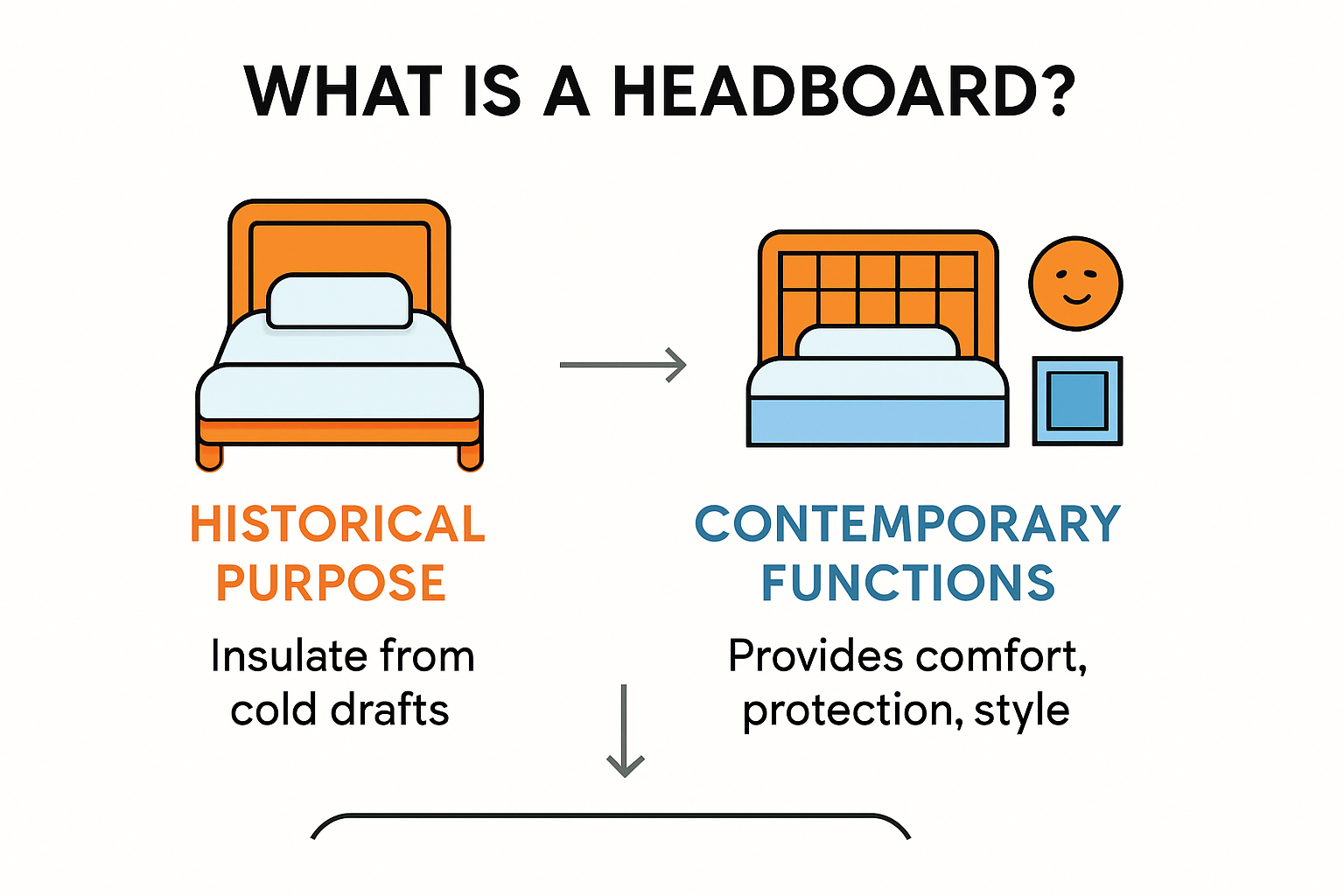
Headboards have a rich history dating back centuries. In the UK, headboards originally served a critical practical purpose – they acted as insulators, protecting sleepers from the cold drafts that would seep through poorly insulated walls in traditional homes. According to Sloomy, these functional pieces not only provided warmth but also reflected social status, with more ornate and elaborate headboards typically found in wealthier households.
As central heating became commonplace, the primary purpose of headboards shifted. While they still offer some insulation benefits, modern headboards have evolved to serve additional functions that enhance the overall bedroom experience. Today’s headboards blend practicality with style, offering solutions to common bedroom problems while making a significant contribution to interior design.
The practical advantages of headboards extend far beyond their historical origins. In contemporary homes, headboards continue to serve several essential functions:
First, headboards prevent pillows from slipping behind the bed during the night or while you’re sitting up reading or watching television. This seemingly simple benefit can significantly improve sleep quality by ensuring your pillows remain in place, providing consistent support throughout the night.
Secondly, headboards create a comfortable backrest for those who enjoy sitting up in bed. Whether you’re reading a book, working on a laptop, or enjoying breakfast in bed, a well-padded headboard provides crucial back support that can prevent strain and discomfort.
Thirdly, despite modern heating systems, headboards still offer insulation benefits. As Furl explains, headboards act as a barrier between you and potentially cold walls, creating a more comfortable sleeping environment that can improve overall sleep quality. This is particularly beneficial in older properties or during winter months when wall surfaces can become noticeably cold.
Beyond comfort and insulation, headboards serve important protective functions for both your bed and your bedroom walls. Over time, beds without headboards can cause significant damage to wall surfaces. Regular contact with the wall during sleep movements can leave marks, scuffs, and even structural damage over time.
According to Happy Beds, headboards help protect walls from damage caused by bed movement, as well as from body oils and sweat that would otherwise transfer directly to the wall surface. This protective function not only preserves the appearance of your bedroom walls but also maintains hygiene standards around your sleeping area.
Headboards also define your bed space, creating a visual anchor in the bedroom that helps establish the overall design scheme. They frame the bed effectively, adding structure to the room layout and enhancing the overall aesthetic appeal of your bedroom.
For those wondering “do I need a headboard?”, consider these practical benefits alongside your personal preferences. While not absolutely essential, a headboard addresses several common issues that can affect comfort, wall maintenance, and bedroom organization. The purpose of a headboard extends beyond mere decoration, offering functional advantages that make it a worthwhile investment for most bedrooms.
When selecting a headboard, consider both its practical features and how it complements your overall bedroom design. The right headboard will serve as both a functional element that enhances your sleep experience and a design statement that elevates your bedroom’s appearance.
The world of headboards offers a remarkable variety of styles, materials, and designs that can completely transform your bedroom’s appearance. As bedroom design evolves, so do headboard trends, reflecting broader interior design movements and consumer preferences. Let’s explore the diverse range of headboard styles available today and examine the emerging trends that are shaping bedroom design for the future.
Headboard styles broadly fall into several categories, each with distinctive characteristics that suit different bedroom aesthetics and personal preferences.
Panel headboards represent perhaps the most traditional style, featuring a flat, upright board that may be padded or unpadded. They offer clean lines and simplicity, making them versatile enough to complement most bedroom designs. These straightforward headboards work particularly well in smaller bedrooms where space is at a premium.
Upholstered headboards add a layer of comfort and luxury to your bed setup. Typically padded and covered in fabric, these headboards provide a soft backing for sitting up in bed. The upholstery can range from simple cotton or linen to more luxurious options like velvet or leather. Many upholstered headboards feature tufting—a technique that creates a quilted, button-detailed surface that adds texture and visual interest.
Wooden headboards bring natural warmth and character to a bedroom. Available in everything from rustic reclaimed timber to sleek, polished finishes, wooden headboards can evoke styles ranging from country cottage to Scandinavian minimalism. The versatility of wood allows for considerable variation in design, from simple planks to elaborate carved patterns.
Metal headboards offer durability and an often distinctive aesthetic. Wrought iron headboards with scrollwork details provide a classic, sometimes romantic look, while more modern metal designs in brass, copper, or steel can create an industrial or contemporary feel depending on their design and finish.
Bookcase headboards combine style with functionality by incorporating storage shelves. These practical designs are perfect for small spaces or for avid readers who enjoy keeping books and other essentials within arm’s reach at bedtime.
Headboard design continues to evolve, with several exciting trends emerging for 2025 that reflect changing tastes and priorities in bedroom décor.
Statement headboards are becoming increasingly prominent, serving as dramatic focal points that anchor the entire bedroom design. According to Sam Deeble, Furniture and Home Interiors Expert at Woods Furniture, statement headboards can “transform your room and give it that high-end hotel look.” These bold designs often feature unusual shapes, striking patterns, or luxurious materials that draw the eye and elevate the entire space.
Eco-friendly materials are gaining significant traction as sustainability becomes a priority for many homeowners. As noted by Sewing House, recycled and biodegradable fabrics like cotton velvet, bouclé, and wool are becoming increasingly popular choices for headboard upholstery. These materials not only reduce environmental impact but also add rich texture and visual interest to bedroom designs.
Wall-to-wall headboards represent another growing trend, extending beyond the width of the bed to create a dramatic design statement. According to Bedstar, these expansive headboards create a cohesive look while doubling as sound insulation. This approach effectively replaces the traditional feature wall with a functional, tactile element that adds both luxury and practicality to the bedroom.
When choosing a headboard style, consider both your practical needs and aesthetic preferences. The right headboard should complement your existing décor while addressing specific requirements such as back support, storage, or insulation.
Room size plays a crucial role in headboard selection. In smaller spaces, consider vertical designs that draw the eye upward and create the illusion of height without overwhelming the room. Larger bedrooms can accommodate more substantial headboards, including dramatic curved or oversized designs that make a bold statement.
Colour choice significantly impacts how a headboard integrates with your bedroom design. Neutral tones offer versatility and longevity, while bold colours can serve as an accent piece that enlivens the entire room. For 2025, “splash of colour designs” are trending, according to design forecasts, offering a way to introduce personality and vibrancy to bedroom spaces.
Texture adds dimension and interest to headboards, with tactile velvet fabrics and curved shapes emerging as sophisticated alternatives to flat designs. These elements invite touch and create visual warmth, making the bedroom feel more inviting and comfortable.
Consider the overall style direction of your bedroom when selecting a headboard. Whether you’re creating a Scandinavian-inspired minimalist retreat, a bohemian sanctuary, or a classic traditional space, your headboard should enhance rather than compete with the overall aesthetic. The right headboard ties the room together, serving as both a practical element and a design statement that reflects your personal style.
Selecting the perfect headboard involves more than just finding an attractive design. A well-chosen headboard balances aesthetic appeal with practical considerations to enhance both your bedroom’s appearance and your sleep experience. Let’s explore the key factors to consider when choosing a headboard that will best serve your needs and preferences.
One of the most important yet often overlooked aspects of headboard selection is ergonomic support. According to The Bed Crafters, a properly designed headboard provides essential back and neck support for activities like reading or working in bed, directly impacting your comfort and posture. When evaluating headboards, consider how you typically use your bed beyond sleeping—if you regularly sit up to read, watch television, or work on a laptop, an upholstered headboard with adequate padding will provide much-needed support and prevent strain.
The insulation properties of a headboard also merit careful consideration. While modern homes typically have better insulation than older buildings, headboards still serve their historical purpose of adding a protective layer between you and the wall. This barrier helps retain warmth and prevents exposure to cold, particularly in older properties or during winter months. Materials like upholstered fabric, wood, or padded designs offer superior insulation compared to metal options, which may conduct cold.
Height is another crucial factor when selecting a headboard. The appropriate height depends on several variables, including your own height, mattress thickness, and how you use your bed. As a general guideline, headboards typically range from 14 inches (35cm) above the top of the mattress for minimal designs to 29 inches (74cm) or more for statement pieces. If you frequently sit up in bed, a taller headboard will provide better support for your upper back and shoulders. Remember to account for the combined height of your bed frame, mattress, and any toppers when measuring for your headboard.
The material of your headboard significantly affects both its appearance and longevity. Upholstered headboards offer comfort and noise reduction but require regular cleaning to maintain their appearance. Fabric choices range from easy-care cotton and linen to luxurious velvet and leather, each with different durability profiles and maintenance requirements. If you’re concerned about longevity, consider removable, washable covers or stain-resistant fabrics, particularly in households with children or pets.
Wooden headboards provide durability and timeless appeal. Hardwoods like oak, maple, and walnut offer exceptional longevity but come at a higher price point than softwoods or engineered wood products. The natural grain patterns in wood add character to your bedroom, while different finishes—from natural oils to painted surfaces—allow for customization to match your décor.
Metal headboards excel in durability and typically require minimal maintenance. These designs can range from ornate traditional scrollwork to sleek contemporary lines. When considering metal, evaluate the quality of welds and finishes, as these details determine both the aesthetic appeal and structural integrity of the piece.
The design impact of your headboard extends beyond mere decoration. The colour and form of your headboard can influence your sleep quality and overall well-being. According to The Bed Crafters, certain colours have been shown to improve or worsen sleep. Cool tones like blues and greens tend to promote relaxation, while vibrant reds and oranges may energize rather than calm. When selecting colours, consider both your personal preferences and the psychological effects different hues might have on your sleep environment.
Scale and proportion are essential considerations for room compatibility. In smaller bedrooms, an oversized headboard can overwhelm the space, while a headboard that’s too small for your bed may look incongruous. Measure your wall space carefully, considering both width and height, to ensure your chosen headboard fits proportionally within your room. As a rule of thumb, your headboard should be at least as wide as your mattress but can be wider if your space allows for a more dramatic effect.
Attachment methods vary across headboard styles and should factor into your decision. Some headboards attach directly to the bed frame, while others mount to the wall behind the bed. Wall-mounted options offer flexibility and can create the illusion of a larger, more architecturally interesting space. However, they require proper installation to ensure stability and may not be suitable for rental properties where wall modifications are limited.
When making your final selection, balance your immediate preferences with long-term practicality. A well-chosen headboard should serve you for many years, complementing changes in bedding and room décor while continuing to provide functional benefits. Consider investing in quality construction and classic design elements that will stand the test of time, rather than focusing solely on current trends that may quickly become dated.
Once you’ve selected the perfect headboard for your bedroom, proper installation and ongoing maintenance are essential to ensure its longevity and performance. Understanding the installation process and implementing regular care routines will help preserve both the appearance and functionality of your headboard for years to come.
Headboard installation methods vary depending on the type of headboard and bed frame you have. In the UK, several common attachment systems exist, each requiring different approaches.
Strutted headboards are the most common type in the UK market. According to Bensons for Beds, these headboards feature struts (vertical supports) that sit at the side of the bed base and require bolts to be inserted through the strut and into the base for stability. Most UK bed bases come with pre-drilled slots or brackets at the head end, specifically designed to fit standard headboards. Before attempting installation, check for these mounting points on your bed frame to ensure compatibility.
Wall-mounted headboards offer an alternative installation method that doesn’t rely on bed frame attachment. These headboards attach directly to the wall behind your bed using brackets or mounting hardware. This option works well for divan beds without built-in attachment points or for creating a custom look. When installing wall-mounted headboards, it’s crucial to locate wall studs or use appropriate wall anchors to ensure secure attachment, particularly for heavier designs.
Freestanding headboards simply stand between the wall and the bed, relying on the weight and position of the bed to hold them in place. While these require minimal installation effort, they may shift position over time and typically work best with beds positioned flush against walls.
Floor-standing and hotel height headboards require special attention during installation. As noted by Bensons for Beds, these taller designs should be attached using the fittings provided, which connect directly to the bed base for proper stabilization. Without secure attachment, these larger headboards can pose safety risks if they become unstable.
Before beginning installation, gather all necessary tools and materials. Typically, you’ll need a screwdriver or drill, the mounting hardware provided with your headboard, and potentially a stud finder for wall-mounted options. Having an assistant can make the process significantly easier, particularly for larger or heavier headboards.
For strutted headboards, begin by identifying the mounting brackets on your bed frame. Position the headboard struts against these brackets, ensuring they align properly with the pre-drilled holes. Insert the bolts through the struts and into the bed frame brackets, then tighten securely with a screwdriver or wrench. Be careful not to overtighten, as this could damage the frame or struts.
When installing wall-mounted headboards, precise measurement is critical. Mark the wall at the desired height, ensuring your markings are level. For heavier headboards, use a stud finder to locate wall studs for mounting. If studs aren’t available at the required positions, use appropriate wall anchors rated for the weight of your headboard. Attach the mounting brackets to the wall first, then secure the headboard to these brackets following the manufacturer’s instructions.
For beds with non-standard frames or those lacking pre-drilled mounting holes, adaptation may be necessary. Various universal headboard brackets are available that can be attached to most bed frames. Alternatively, some headboards can be modified by a professional to fit unusual bed configurations.
Regular maintenance keeps your headboard looking its best and extends its useful life. Different materials require specific care approaches to maintain their appearance and structural integrity.
Upholstered headboards benefit from regular vacuuming with an upholstery attachment to remove dust and prevent dirt buildup in fabric fibres. For spot cleaning, follow the manufacturer’s recommendations or use a mild fabric cleaner appropriate for your upholstery type. Test any cleaning solution on an inconspicuous area first to ensure it doesn’t cause discolouration or damage. For deeper cleaning, consider professional upholstery cleaning services, particularly for valuable or delicate fabrics.
Wooden headboards require dusting with a soft, dry cloth or a slightly damp microfibre cloth to prevent scratch marks. Avoid harsh chemicals that can damage wood finishes. Periodically, apply an appropriate wood polish or conditioner to maintain the wood’s natural lustre and protect it from drying or cracking. Keep wooden headboards away from direct sunlight and extreme temperature fluctuations, which can cause warping or fading over time.
Metal headboards are generally low-maintenance but should be checked occasionally for signs of rust, particularly at joints or connection points. Wipe metal surfaces with a damp cloth and mild soap if needed, then dry thoroughly to prevent water spots or oxidation. For painted metal headboards, touch up any chips promptly to prevent rust from forming on exposed metal.
Regardless of material, regularly check all attachment points and tighten any loose screws or bolts. This simple maintenance step prevents the headboard from becoming wobbly or unstable, which can lead to damage or safety concerns. For strutted headboards in particular, the connection between struts and bed frame may loosen over time, especially if the bed is moved frequently.
By understanding the specific requirements for installing and maintaining your headboard, you can ensure it remains both functional and attractive throughout its lifespan, continuing to enhance your bedroom’s comfort and appearance for years to come.
Headboards provide crucial back support while you sit up in bed, prevent pillows from slipping, and protect walls from damage and stains.
Headboards enhance comfort by providing support, improve hygiene by protecting walls from oils, and add a decorative element to your bedroom while defining the bed space.
In 2025, headboard styles range from classic panel and upholstered designs to modern statement and eco-friendly options, as well as wall-to-wall headboards that create a dramatic impact.
Consider factors such as material, design compatibility with your room, size relative to your bed, height for comfort, and functional features like storage when selecting a headboard.
Are you feeling the discomfort of sleeping without a well-designed headboard? As highlighted in our article, headboards do much more than just enhance your bedroom’s aesthetic. They provide essential back support, protect your walls, and maintain a hygienic sleeping environment. Why miss out on these benefits when the perfect headboard is just a click away?
At Number One Beds, we specialise in headboards that blend style, comfort, and functionality—all at an affordable price. With our extensive range of materials and designs, you can easily find the perfect match for your bedroom decor. Don’t compromise on your sleep quality! Browse our collection now and create a bedroom that’s not only beautiful but also supportive and practical. Visit us at numberonebeds.com today to discover your ideal headboard!
