Choosing the right bed frame can shape how restful your nights are. Surprisingly, it isn’t just about comfort and style; it’s also about durability and investment. Did you know that a high-quality metal bed frame can last up to 20 years with minimal maintenance? Yet, many overlook this aspect in favour of aesthetics. The unexpected twist? A wooden frame, while often pricier, can offer a charm that contributes to a timeless decor and may even carry a higher resale value over time. Understanding these nuances could help you transform your sleep space.
| Takeaway | Explanation |
|---|---|
| Visual Warmth and Character | Wooden bed frames create a warm, inviting atmosphere, with unique grain patterns that enhance the bedroom’s character, while metal frames offer a sleek, modern aesthetic ideal for contemporary spaces. |
| Durability and Maintenance | Metal frames typically offer superior structural durability and require minimal maintenance, while wooden frames, though potentially long-lasting, need more care to prevent damage and maintain appearance. |
| Cost and Value Assessment | Metal bed frames are usually more budget-friendly, but wooden frames may provide better long-term value through their repairability and timeless appeal, potentially offsetting higher initial costs. |
| Environmental Resistance | Metal bed frames resist environmental threats like pests and moisture better than wooden frames, which can suffer from warping and insect damage without proper care. |
| Repair Potential | Wooden frames are often easier to repair for minor damage, allowing for multi-generational use, whereas repairing metal frames can be more complex and may require professional assistance. |
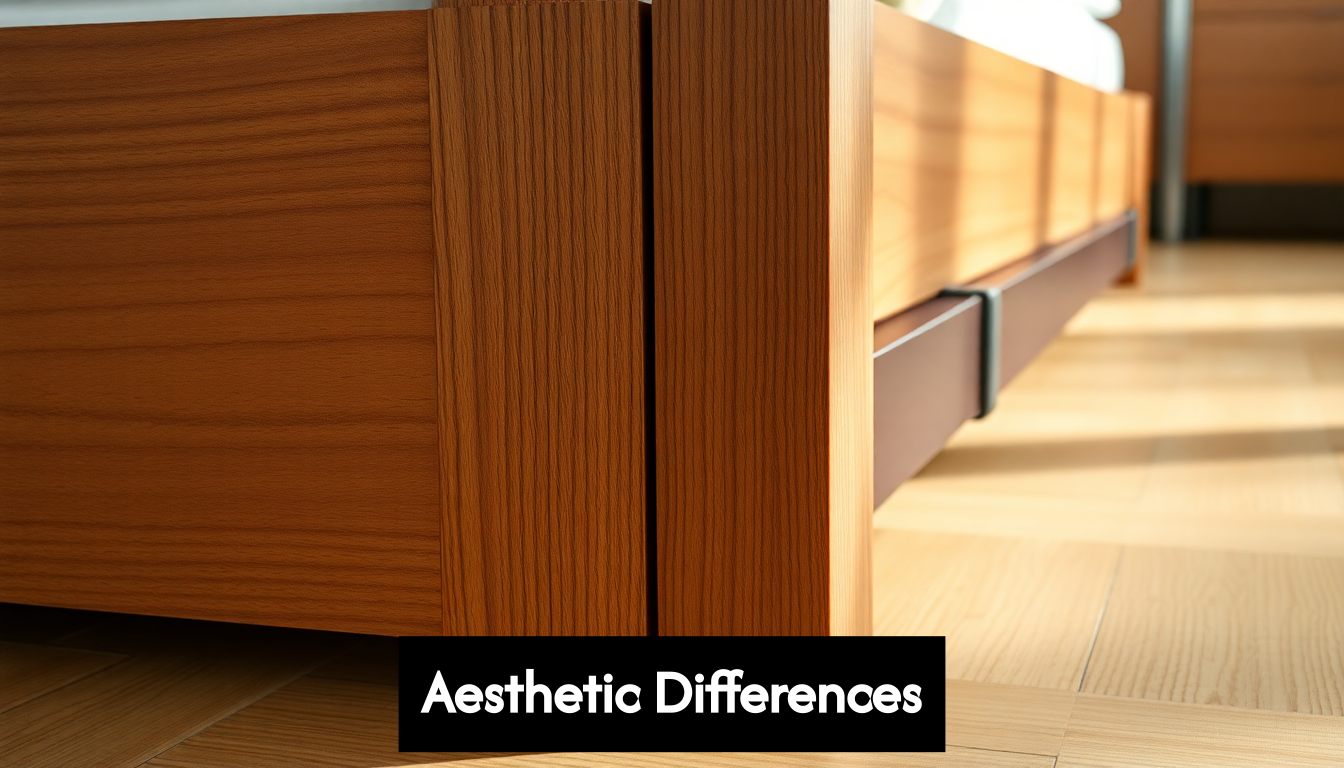
When choosing between metal and wooden bed frames, design and aesthetic considerations often play a decisive role. The visual impact of your bed frame significantly influences your bedroom’s overall atmosphere and style. Let’s explore the distinct aesthetic qualities of both materials and how they might complement your interior design vision.
Wooden bed frames are widely celebrated for their ability to create a warm, inviting atmosphere in bedrooms. According to The Spinery, wooden frames deliver a classic, timeless appearance that imparts warmth and a welcoming ambiance to bedroom interiors. This natural material brings an inherent cosiness that many find irresistible.
The visual warmth of wood stems from its organic origins. Each wooden bed frame tells a story through its grain patterns, knots, and natural colour variations. Whether you choose oak, pine, walnut or mahogany, these unique characteristics create visual interest and depth that manufactured materials simply cannot replicate.
In contrast, metal bed frames project a distinctly different aesthetic. They tend to convey a sleek, modern look that appeals to contemporary design sensibilities. Metal frames can appear visually lighter and less imposing than their wooden counterparts, creating an impression of more space—particularly beneficial in smaller bedrooms.
Both materials offer remarkable versatility, though in different ways.
Wooden bed frames span an impressive range of design styles. From rustic farmhouse beds with distressed finishes to sleek, low-profile Scandinavian platforms, wood adapts beautifully across design movements. Mid-century modern wooden frames feature clean lines and tapered legs, while ornately carved traditional frames showcase craftsmanship and detail.
Metal bed frames excel in specific design niches. They’re particularly well-suited to industrial and minimalist aesthetics, where their structural elements become featured design statements. Metal’s malleability also allows for ornate scrollwork and decorative elements in traditional Victorian or vintage-inspired designs.
The finish of your bed frame dramatically impacts its visual presence. Wooden frames offer an extensive palette of natural tones and stains. Light woods like pine and maple create airy, casual spaces, while dark woods like walnut and mahogany lend formality and drama. The finish also matters—matte brings out wood’s natural character, while glossy finishes add sophistication.
Metal frames typically come in neutral metallics like silver, brass, black, or white. While this might seem limiting, these colours serve as versatile foundations that complement changing bedding and decor. Research indicates that metal tends to be viewed as visually cooler than wood, which can be either an advantage or disadvantage depending on your desired bedroom atmosphere.
An often overlooked aspect of bed frame aesthetics is how well they integrate with existing furniture and architectural elements.
Wooden bed frames naturally complement other wooden furniture pieces, creating visual cohesion throughout a bedroom. This coordination feels intentional and harmonious, particularly when wood tones match or thoughtfully contrast. In homes with wooden architectural features like floors or exposed beams, wooden bed frames extend this organic element throughout the space.
Metal frames offer interesting contrast in rooms dominated by soft textiles and wooden furniture. This juxtaposition of materials creates visual tension that can make spaces more dynamic and interesting. In urban apartments or industrial-style homes with exposed ductwork or concrete elements, metal frames echo these structural components.
Aesthetic choices often intersect with practical family needs. Amerisleep notes that families and those prioritizing safety or pet durability frequently prefer wooden frames for their rounded edges and classic styles. The softer edges of wooden frames are often more forgiving in homes with small children who might bump into furniture corners.
Ultimately, choosing between metal and wooden bed frames means balancing your personal style preferences with practical considerations. Both materials offer distinct aesthetic advantages that can transform your bedroom’s look and feel. By understanding these design differences, you can select a frame that not only supports your mattress but also enhances your bedroom’s visual story.
When investing in a bed frame, durability and structural strength should be top priorities. After all, your bed frame must reliably support you night after night for years to come. Metal and wooden bed frames offer distinctly different performance characteristics in these crucial areas, with each material presenting its own set of strengths and limitations.
The expected lifespan of your bed frame directly impacts its value proposition. Metal bed frames generally offer impressive longevity under normal use conditions. According to Cozylant, metal frames exhibit superior structural durability compared to their wooden counterparts. This durability advantage stems from metal’s inherent resistance to many common forms of deterioration.
Quality wooden frames can certainly provide many years of reliable service, but they typically require more attentive care to achieve maximum longevity. Hardwoods like oak, maple, and walnut naturally offer better durability than softwoods such as pine. With proper maintenance, premium hardwood frames can serve faithfully for decades, becoming potential family heirlooms passed through generations.
However, even high-quality wooden frames face challenges that metal frames simply don’t encounter. Research from Barara Driana Delia indicates that wooden bed frames are more susceptible to deformation and breaking, especially under heavy weight or fluctuating humidity conditions. In contrast, sturdy metal frames, particularly those crafted from robust steel or aluminum, can reliably last 10–15 years or more with minimal maintenance.
Beyond basic structural considerations, environmental resistance plays a crucial role in determining long-term durability. Metal and wooden frames respond very differently to various environmental challenges.
Metal bed frames generally excel in resisting common environmental threats. They’re naturally immune to insect damage, including termites and wood-boring beetles that can devastate wooden furniture. Metal frames also resist mildew, rot, and mold—biological processes that simply cannot affect metal the way they can compromise wood.
However, metal isn’t without vulnerabilities. Cheaper metal frames may be susceptible to rust and corrosion, particularly in humid environments or coastal areas where salt air accelerates oxidation. Quality metal frames address this through protective coatings, powder-coating, or by using naturally corrosion-resistant metals like aluminum or stainless steel.
Wooden frames face different environmental challenges. While naturally beautiful, wood remains an organic material susceptible to biological breakdown. Without proper care, wooden frames can fall victim to dry rot, mold growth in humid conditions, or insect infestations. Fluctuating humidity levels can cause wood to expand and contract, potentially leading to warping or joint weakening over time.
Structural strength directly impacts how much weight a bed frame can reliably support. This consideration becomes particularly important for larger individuals, couples, or those who frequently sit on the edge of their beds.
Metal bed frames typically offer excellent weight capacity due to metal’s high tensile strength. Steel frames, in particular, can support substantial weight without bending or deforming. This makes metal frames a practical choice for heavier mattresses like traditional spring mattresses or hybrid designs combining springs and foam layers.
Well-constructed wooden frames can also provide robust support, though their performance varies more widely based on design and wood type. Frames built with proper joinery techniques and reinforcement can offer impressive strength. Solid hardwood platforms typically provide better support than frames with widely spaced slats.
The ongoing maintenance needed to preserve structural integrity differs significantly between these materials. As Cozylant notes, metal frames generally require less maintenance than wooden ones, contributing to their reputation for hassle-free durability.
Wooden frames benefit from periodic inspection of joints and slats, occasional tightening of hardware, and surface care appropriate to their finish. Unsealed wood may need regular polishing or waxing to maintain its protective barrier against moisture and wear.
Metal frames typically require minimal maintenance beyond occasional tightening of bolts and connections. While high-quality metal frames resist corrosion, any scratches or chips in protective coatings should be touched up promptly to prevent rust from developing.
Even the most durable bed frames may eventually need repairs. The repair potential differs significantly between materials.
Wooden frames often offer better repairability for minor damage. Scratches can be filled and refinished, loose joints can be reglued, and broken components can sometimes be replaced or repaired by a skilled woodworker. This repair-friendly nature contributes to wood’s potential for multi-generational longevity.
Metal frames, while generally more durable initially, can be more challenging to repair if structural damage occurs. Bent metal components may require specialized tools to straighten, and welding repairs need professional equipment and skills. However, the trade-off is that metal frames typically require fewer repairs throughout their lifespan.
When weighing durability and structural strength between metal and wooden bed frames, consider your specific needs, usage patterns, and maintenance preferences. Each material offers distinct advantages that may align differently with your priorities and lifestyle.
When purchasing a bed frame, understanding the financial implications goes beyond simply comparing price tags. A thoughtful assessment of cost and value involves examining initial investment, long-term value, and the overall return on investment that each material option provides.
The most immediate difference between metal and wooden bed frames is their purchase price. Metal bed frames typically present a more budget-friendly option for shoppers. According to Intriera, metal bed frames can range from less than £100 for basic models to over £1,000 for premium designs featuring specialised materials or artisanal craftsmanship.
Wooden bed frames generally command higher prices, with even basic solid wood options starting around £200. Premium hardwood frames crafted from mahogany, walnut, or oak can easily exceed £1,000. This price difference stems from several factors, including raw material costs, manufacturing complexity, and market positioning.
The price variation within each category is worth noting. Metal frames vary widely based on:
Wooden frames similarly show price differences based on:
Looking beyond initial costs reveals a more nuanced picture of value. The concept of cost-per-use becomes particularly relevant when evaluating bed frames as long-term investments.
Metal bed frames often deliver excellent value through their durability-to-price ratio. Their resistance to warping, insects, and many forms of environmental damage means they typically require minimal ongoing investment. This longevity helps amortise their initial cost over many years of reliable service.
Wooden bed frames, while more expensive initially, can provide compelling long-term value through their repairability and timeless appeal. As Casper notes, frames crafted from solid hardwoods like mahogany or oak are not only durable but also offer greater aesthetic customisation potential, which contributes to their higher cost compared to metal frames.
A quality wooden frame that costs twice as much as a metal alternative but lasts three times as long while requiring minimal repairs may ultimately represent better value, particularly when factoring in the potential to refinish and update its appearance over time.
Beyond the price tag, several factors can influence the true cost of ownership for each material.
Metal bed frames may offer savings through:
Wooden bed frames might incur additional expenses through:
However, wooden frames may offer offsetting advantages that represent financial value, such as potential appreciation for artisanal or antique pieces and better thermal properties that might marginally reduce heating costs in colder climates.
The true value of a bed frame extends beyond financial considerations to include subjective benefits that are harder to quantify but nonetheless meaningful.
Cozylant observes that while both metal and wood bed frames are durable, wood frames offer more options for personalisation and design but require greater investment and maintenance. This customisation potential allows wooden frames to more precisely match specific aesthetic visions, potentially eliminating the desire to replace them as design trends change.
Metal frames, conversely, offer value through their adaptability. Their typically neutral appearance allows them to complement evolving bedroom décor without themselves becoming visually outdated. This versatility can represent significant value for those who frequently update their interior design schemes.
Approaching bed frame purchases as investments rather than merely transactions can help optimise value. Consider these strategic approaches:
The potential resale value of each material presents another interesting dimension. Quality wooden frames, particularly those from recognised manufacturers or featuring distinctive craftsmanship, often retain more of their value in secondary markets. Some exceptional pieces may even appreciate over time.
Metal frames typically experience more significant depreciation, though vintage or designer pieces represent notable exceptions. Standard metal frames generally retain functionality but command only modest resale prices relative to their original cost.
When weighing cost against value, remember that the best choice depends on your specific priorities, lifestyle, and long-term plans. The frame that delivers optimal value isn’t necessarily the least expensive option, but rather the one that provides the most suitable balance of initial cost, longevity, maintenance requirements, and aesthetic satisfaction for your particular circumstances.

Understanding the maintenance requirements and expected lifespan of your bed frame plays a crucial role in making an informed decision between metal and wooden options. Both materials can provide years of reliable service, but they differ significantly in their care needs and longevity profiles.
When it comes to pure longevity, metal and wooden bed frames offer different prospects. According to Scanica, metal bed frames generally enjoy a longer average lifespan, typically ranging from 15-20 years under normal conditions. This impressive durability stems from metal’s inherent resistance to many forms of deterioration that affect organic materials.
Modern metal frames benefit from advanced manufacturing techniques and protective finishes that significantly enhance their durability. Steel frames with powder-coated finishes or corrosion-resistant treatments can maintain their structural integrity for decades with minimal intervention. The non-porous nature of metal means it naturally resists the warping and insect damage that can compromise wooden alternatives.
Wooden bed frames, while potentially very durable, typically require more attentive care to achieve comparable longevity. Various factors influence a wooden frame’s lifespan, including the specific wood type, construction methods, and environmental conditions. Premium hardwood frames crafted with traditional joinery techniques can last generations when properly maintained, while budget softwood options might show signs of wear within just a few years.
The day-to-day and seasonal maintenance needs of metal and wooden bed frames differ considerably, with implications for both convenience and long-term performance.
Metal bed frames typically demand minimal routine maintenance. Most quality metal frames require little more than occasional dusting and perhaps a yearly inspection of joints and fasteners to ensure everything remains tight and secure. This low-maintenance nature makes metal frames particularly appealing for those with busy lifestyles or limited interest in furniture upkeep.
In contrast, wooden bed frames benefit from more regular attention. Nilkamal Sleep notes that wooden frames are more susceptible to warping, cracking, or insect damage compared to their metal counterparts. To mitigate these risks, wooden frames should ideally receive periodic conditioning with appropriate wood care products. The specific maintenance regime depends on the wood type and finish, but might include:
The surrounding environment significantly impacts maintenance requirements and longevity for both materials, though in different ways.
For metal frames, humidity presents the primary environmental concern. Despite modern protective finishes, extremely humid conditions can eventually compromise even well-protected metal surfaces. Coastal environments with salt-laden air pose particular challenges, potentially accelerating corrosion. However, as Scanica observes, advances in powder-coated finishes and corrosion-resistant treatments have significantly reduced these concerns for contemporary metal frames.
Wooden frames face their own set of environmental challenges. Fluctuating humidity levels cause wood to expand and contract, potentially stressing joints over time. Direct sunlight can fade finishes and dry out wood fibers, while excessive dryness might lead to cracking. Homes with wood-boring insects present additional risks that metal frames simply don’t face.
These environmental factors mean that maintenance requirements vary not just by material, but also by location. A wooden frame in a climate-controlled bedroom with stable humidity will require far less maintenance than an identical frame in a seaside cottage with fluctuating conditions.
The approach to repairing damage differs substantially between metal and wooden bed frames, with implications for their practical lifespan.
Metal frames, while generally resistant to many forms of damage, present certain challenges when repairs become necessary. Minor scratches in the finish can often be touched up with matching paint, but deeper structural damage may require specialized tools or professional assistance. Bent components might be difficult or impossible to restore to their original condition, potentially necessitating replacement of entire sections.
Wooden frames, despite being more susceptible to certain types of damage, often prove more amenable to effective repairs. Surface scratches can be sanded and refinished, loose joints can be reglued, and even broken components can often be replaced by a skilled woodworker. This repairability contributes significantly to wooden frames’ potential for multi-generational longevity.
Adopting proactive approaches can substantially extend the life of either material:
For metal frames:
For wooden frames:
While both metal and wooden bed frames can provide decades of reliable service, they place different demands on their owners in terms of maintenance effort. Your willingness to perform routine care and your specific living environment should factor significantly into your material choice, alongside aesthetic and budgetary considerations.
Metal bed frames typically offer a sleek, modern look and superior durability with less maintenance, while wooden bed frames provide warmth and character, often requiring more care but offering potential long-term value and repairability.
Metal bed frames can last between 15 to 20 years, often with minimal maintenance, while wooden bed frames can also last for decades, particularly those made from high-quality hardwoods, though they may require more attentive care.
Generally, metal bed frames are more budget-friendly, with prices starting lower than wooden frames, which often command higher prices due to material costs and craftsmanship associated with solid wood.
Wooden bed frames are often preferred by families due to their rounded edges and softer designs, making them safer for homes with small children, as they are less likely to cause injuries compared to the harsher edges of metal frames.
After exploring the nuances between metal and wooden bed frames, you might be feeling a little overwhelmed by your options and the long-term implications of each choice. Do you prioritise durability with a metal frame, which can last up to 20 years with minimal maintenance, or do you fall for the timeless charm and warmth of wood that tells its own story?
!
At Number One Beds, we understand that selecting the right bed is crucial for not just aesthetics, but ultimately for your sleep quality and well-being. Our diverse range covers everything from sleek metal designs to stunning wooden frames, ensuring that you can find the perfect fit for your room—without missing out on practicality or affordability. Why hesitate? Dive into our collection and discover how easy it can be to create a bedroom you’ll love coming home to.
🌟 Shop now at Number One Beds and take the first step towards a more restful sleep tonight! Don’t wait—your dream bedroom is just a click away!
