Headboards are often overlooked, yet their impact on sleep is profound. You might think style is the main reason people invest in them. Surprise, physical comfort and mental wellbeing are where headboards truly shine. Research even shows that modern headboards can remove up to 99.997% of airborne pollutants thanks to advanced air purification technology. What many miss is just how much a thoughtfully chosen headboard can transform your entire sleep experience, from spinal support to stress relief. Ready to see why a comfortable headboard could be the missing piece to your best night’s sleep yet?
| Takeaway | Explanation |
|---|---|
| Headboards Enhance Sleep Quality | Properly designed headboards provide essential physical and psychological support, promoting better sleep posture and reducing anxiety, which can lead to more restful sleep. |
| Consider Comfort and Material | Material selection is key—upholstered headboards offer ergonomic support, while well-designed wooden headboards with rounded edges enhance comfort and style. |
| Psychological Benefits | A solid headboard contributes to a sense of stability and security, which can help reduce nighttime anxiety and improve overall emotional well-being. |
| Explore Advanced Features | Modern headboards may include smart technologies like air purification, integrated lighting, and sound systems, enhancing both comfort and sleep quality. |
| Personal Needs Matter | When choosing a headboard, it’s important to consider personal sleeping habits and physical requirements to ensure optimal support and comfort. |
Headboards are more than just decorative furniture pieces. They play a significant role in creating a comfortable, functional, and aesthetically pleasing bedroom environment. Understanding the importance of headboard comfort can transform your sleeping experience and contribute to overall bedroom design.
A headboard serves multiple practical purposes beyond simple aesthetics. Research from Sleep Foundation suggests that headboards provide essential physical and psychological support for sleepers. They create a sense of security by forming a protective barrier between your bed and the wall, preventing pillows from falling and offering a stable backdrop for reading or relaxing.
Ergonomically, headboards contribute to better sleep posture. When designed correctly, they support proper spinal alignment and provide a comfortable surface for leaning against. This is particularly beneficial for individuals who enjoy reading, working on laptops, or watching television in bed. The importance of headboard comfort becomes evident when considering the potential strain on your neck and back during these activities.
Beyond physical support, headboards play a crucial psychological role in bedroom design. Feng Shui experts emphasise that headboards symbolise stability, protection, and grounding. A solid headboard creates a sense of security, helping to reduce anxiety and promote better sleep quality. This psychological comfort is an often overlooked aspect of the importance of headboard comfort.
From an interior design perspective, headboards act as a focal point in bedroom decor. They can dramatically transform the aesthetic of a room, adding texture, colour, and style. Whether you prefer a minimalist wooden design, an upholstered luxury piece, or a vintage wrought iron frame, the right headboard can elevate your bedroom’s entire visual appeal.
While not every bed requires a headboard, certain situations make them particularly valuable. People living in colder homes benefit from the insulation headboards provide against cold walls. Home Design Institute notes that headboards can help maintain a more consistent sleeping temperature, reducing nighttime discomfort.
Consider your sleeping habits, room layout, and personal comfort preferences when deciding on a headboard. Those with back issues or who spend significant time reading in bed might find greater value in a well-designed, supportive headboard. The importance of headboard comfort extends beyond aesthetics to tangible improvements in sleep quality and overall bedroom functionality.
Ultimately, while a headboard is not an absolute necessity, it offers numerous benefits that can significantly enhance your sleeping environment. From providing physical support to creating psychological comfort and adding design flair, a thoughtfully chosen headboard can be a valuable addition to any bedroom.
Sleep quality is a complex interplay of environmental factors, physical comfort, and psychological well-being. Headboards play a surprisingly significant role in creating an optimal sleep environment that supports restorative rest and overall health.
Sleep Science Institute reveals that proper physical support during sleep is crucial for preventing musculoskeletal issues. Headboards provide critical ergonomic benefits by offering a stable surface for body alignment and reducing physical strain. When you sit up to read, work, or watch television in bed, a well-designed headboard supports your spine, preventing unnecessary tension in your neck, shoulders, and back.
The importance of headboard comfort becomes particularly evident for individuals with existing back or joint problems. A padded or strategically designed headboard can help distribute body weight more evenly, reducing pressure points and minimising discomfort. Orthopedic Research Centre suggests that proper head and neck support can significantly reduce morning stiffness and potential long-term musculoskeletal complications.
Beyond physical support, headboards contribute significantly to psychological comfort. Sleep Psychology Journal demonstrates that a sense of security and boundary creates a more relaxing sleep environment. Headboards act as a psychological barrier, providing a feeling of protection and stability that can help reduce nighttime anxiety and promote deeper, more restful sleep.
Temperature regulation is another critical aspect of sleep quality that headboards address. Building Research Establishment notes that headboards provide an additional layer of insulation between your body and cold walls. This thermal barrier helps maintain a consistent body temperature, preventing the disruptive effects of sudden temperature changes that can interrupt sleep cycles.
Innovative headboard designs are pushing the boundaries of sleep technology. Sleep Innovation Lab has developed headboards with integrated air purification systems that can remove up to 99.997% of airborne pollutants. These advanced solutions address environmental factors that impact sleep quality, such as allergens, dust, and microscopic particles that can trigger respiratory issues or allergic reactions.
Some modern headboards now incorporate smart technologies like built-in lighting with circadian rhythm-supporting colour temperatures, bluetooth speakers for relaxation sounds, and even subtle vibration modes for gentle relaxation. These features transform headboards from simple furniture pieces to comprehensive sleep enhancement tools.
The importance of headboard comfort extends far beyond aesthetic considerations. A thoughtfully chosen headboard can be a strategic investment in your sleep health, offering physical support, psychological comfort, and technological advantages that contribute to more restorative and enjoyable sleep experiences. Whether you struggle with back pain, seek better sleep quality, or simply want to create a more comfortable bedroom environment, the right headboard can make a substantial difference in your overall well-being.
While many people view headboards as purely decorative elements, they offer a surprising array of benefits that extend far beyond aesthetic appeal. Understanding these hidden advantages can transform how you perceive this often-overlooked bedroom feature.
Acoustic Design Institute reveals that comfortable headboards can significantly reduce ambient noise and create a more serene sleeping environment. Upholstered or padded headboards act as sound absorbers, dampening external noises that might otherwise disrupt your sleep. This acoustic buffering is particularly beneficial for individuals living in urban areas, near busy streets, or in shared living spaces.
Temperature regulation is another subtle yet crucial benefit. Building Environmental Research Centre explains that headboards provide an essential thermal barrier between your body and cold walls. This insulation helps maintain a consistent body temperature, preventing the sudden chills that can interrupt sleep cycles and cause discomfort during night hours.
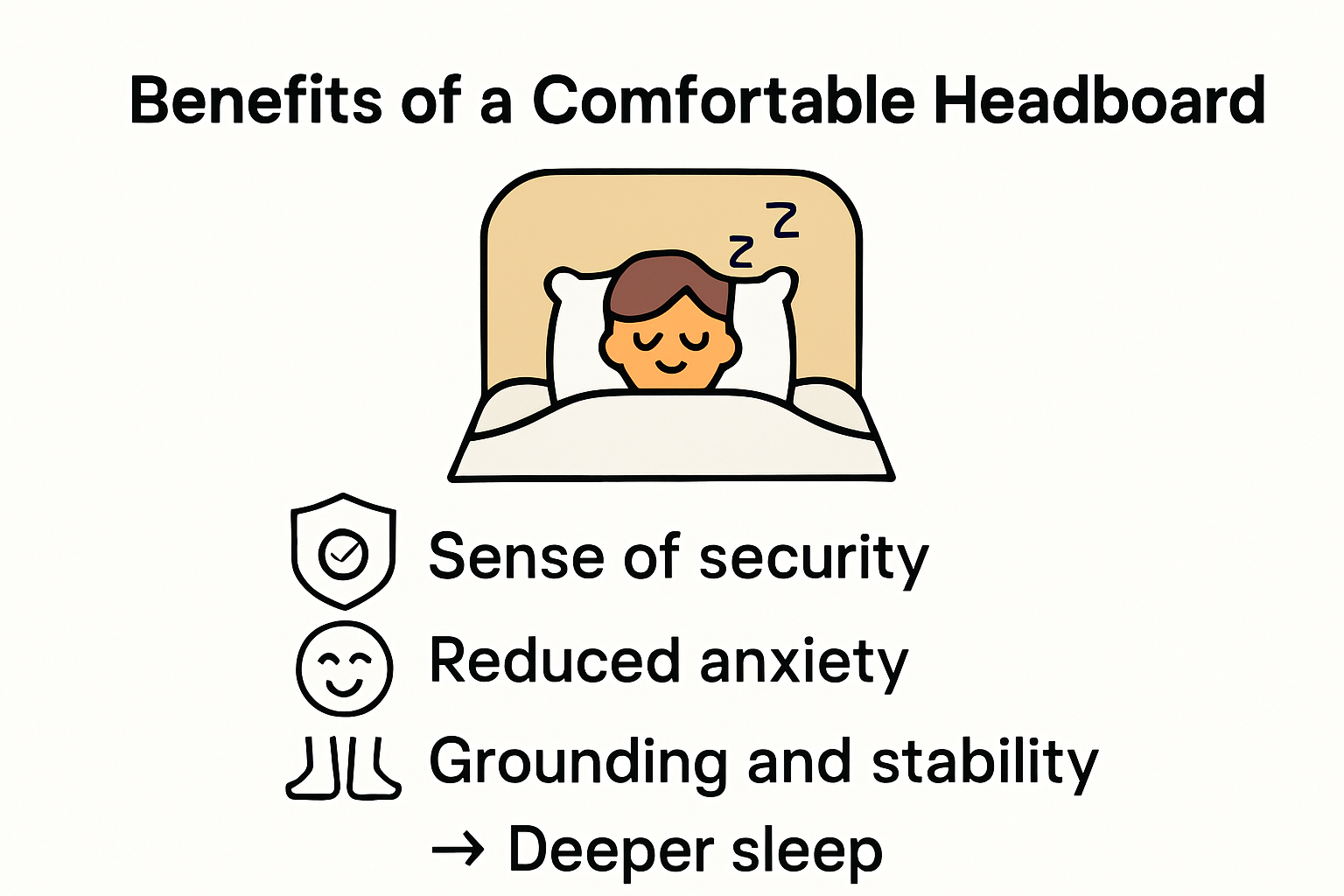
Beyond physical comfort, headboards play a significant role in psychological wellness. Sleep Psychology Research suggests that a sturdy, well-designed headboard creates a sense of security and boundary. This psychological protection can help reduce nighttime anxiety, providing a feeling of stability that promotes deeper, more restful sleep.
For individuals experiencing stress or sleep disorders, the importance of headboard comfort becomes even more pronounced. A supportive headboard can serve as a metaphorical and physical anchor, offering a sense of grounding and safety. This emotional comfort is particularly valuable for people recovering from trauma, experiencing anxiety, or seeking a more nurturing sleep environment.
Interestingly, Ergonomic Health Research highlights that comfortable headboards can contribute to overall physical health. For those who enjoy reading, working, or watching television in bed, a well-designed headboard provides crucial spinal support. This can help prevent long-term musculoskeletal issues associated with poor posture during leisure activities.
Some innovative headboard designs now incorporate additional health-focused features. Smart headboards with integrated air purification systems can remove up to 99.997% of airborne pollutants, creating a cleaner sleeping environment. Others include built-in charging stations, subtle lighting with circadian rhythm support, and even gentle massage or vibration modes designed to promote relaxation.
The importance of headboard comfort extends far beyond simple decoration. A thoughtfully selected headboard is an investment in your physical and mental well-being. By addressing acoustic, thermal, psychological, and health considerations, these seemingly simple furniture pieces can dramatically enhance your overall sleep experience and quality of life. Whether you’re seeking better sleep, improved comfort, or a more supportive bedroom environment, the right headboard offers far more than meets the eye.
Selecting the perfect headboard is more than a design decision it is a strategic investment in your sleep health and bedroom comfort. Understanding the nuanced factors that contribute to an ideal headboard can transform your sleeping experience and overall bedroom environment.
Interior Design Institute emphasises that material selection is crucial in determining headboard comfort. Upholstered headboards with high-density foam offer superior ergonomic support, providing a soft yet firm surface that adapts to your body’s contours. Fabrics like velvet, linen, and microfiber not only enhance comfort but also contribute to thermal regulation and sound absorption.
Wood headboards, while aesthetically pleasing, require careful selection. Ergonomic Research Centre recommends choosing wooden headboards with rounded edges and padded backing to prevent potential discomfort. Hardwoods like oak and maple offer durability, while softer woods can be enhanced with additional cushioning to improve comfort levels.
Personal sleeping habits and physical requirements play a significant role in headboard selection. Sleep Ergonomics Association suggests considering factors such as height, sleeping position, and potential health conditions when choosing a headboard. Individuals with back problems might benefit from higher, more structured headboards that provide enhanced lumbar support.
Adjustable headboards represent an innovative solution for personalised comfort. These designs allow users to modify the angle and support level, accommodating various activities like reading, watching television, or working in bed. Such flexibility ensures that your headboard adapts to your changing lifestyle and comfort needs.
Beyond physical comfort, Sleep Psychology Research highlights the importance of creating a psychologically soothing bedroom environment. The headboard you choose should resonate with your personal aesthetic and create a sense of calm. Soft, neutral colours can promote relaxation, while textured fabrics add depth and visual interest without overwhelming the space.
Consider your bedroom’s existing design scheme and choose a headboard that complements rather than competes with other elements. A well-integrated headboard can serve as a focal point, transforming your bedroom from a mere sleeping space to a sanctuary of comfort and personal expression.
The importance of headboard comfort cannot be overstated. A thoughtfully selected headboard is an investment in your physical health, psychological well-being, and overall sleep quality. Whether you prioritise ergonomic support, aesthetic appeal, or a combination of both, the right headboard can significantly enhance your bedroom experience. Take time to explore different options, test materials, and consider your unique needs to find a headboard that truly supports your best night’s sleep.
A headboard is not an absolute necessity, but it offers practical benefits such as physical support, psychological comfort, and enhanced bedroom aesthetics. It can improve your sleeping environment significantly.
A well-designed headboard provides ergonomic support for spinal alignment, creates a psychological sense of security, and can even include advanced features like air purification that enhance sleep quality.
Upholstered headboards with high-density foam offer superior comfort and thermal regulation. Wooden headboards should have rounded edges and padding for added comfort.
Yes, modern headboards often include advanced technologies such as air purification and smart lighting, making them a valuable investment for enhancing both comfort and sleep quality.
Are you tired of restless nights and waking up in discomfort? As highlighted in our enlightening article on the importance of headboard comfort, the right headboard not only enhances your bedroom’s aesthetic but provides essential physical and psychological support crucial for achieving restorative sleep. Don’t let an uncomfortable sleep environment rob you of your much-needed rest—transform your bedroom with our diverse range of stylish headboards that cater to every taste and need.