
Choosing the right bed frame is essential for creating your ideal sleeping environment. With more than 60 per cent of adults struggling to achieve a restful night’s sleep, the importance of a good foundation cannot be overstated. But here’s the catch: many people underestimate how the right bed frame can significantly impact their comfort and overall sleep quality. Discovering the perfect fit for your mattress and personal needs could be the key to transforming your sleep experience.
| Takeaway | Explanation |
|---|---|
| Understand Bed Frame Types | Consider platform, storage-integrated, and specialist frames based on your space, needs, and preferences to create the ideal sleep environment. |
| Measure Your Space Accurately | Leave at least 60-90cm of walking space around the bed and consider future needs for proper frame size selection. |
| Evaluate Materials and Design | Choose between wooden, metal, or hybrid frames based on durability, aesthetic preferences, and maintenance capabilities for long-term value. |
| Prioritise Budget and Quality | Focus on a balance between price and quality, ensuring a solid investment in a frame that supports comfort and longevity. |
| Match Frame to Mattress and Comfort Needs | Ensure your bed frame complements your mattress type and provides the necessary support and flexibility for your sleeping habits. |
Choosing the right bed frame is more than just a matter of aesthetics – it’s about finding the perfect foundation for your sleep sanctuary. Different bed frame types offer unique benefits, addressing various lifestyle needs, room configurations, and personal preferences.
Platform bed frames represent a versatile and popular choice for modern bedrooms. The Bed Supermarket highlights that these frames typically feature a solid or slatted base that provides direct support for your mattress. Slatted designs offer enhanced breathability, allowing air circulation that helps regulate mattress temperature and prevent moisture buildup.
These frames come in various materials, including wooden and metal constructions, each with distinct advantages. Wooden platform frames often provide a warmer, more natural aesthetic, while metal frames tend to offer increased durability and a more contemporary look. The spacing between slats is crucial – ideally, they should be close enough to support the mattress evenly without allowing excessive movement.
For those battling limited bedroom space, storage-integrated bed frames are a game-changer. Memory Foam Warehouse notes that options like divan beds and ottoman frames provide ingenious storage solutions without compromising on style. Divan beds typically feature built-in drawers along the base, perfect for storing extra bedding, seasonal clothing, or personal items.
Ottoman beds take space-saving to another level with their lift-up mechanism. The entire mattress base can be raised, revealing a substantial storage compartment underneath. This design is particularly beneficial for smaller apartments, student accommodations, and homes where every square centimetre counts. When selecting a storage bed frame, consider the mechanism’s ease of use and the weight capacity of the lifting system.
Beyond standard configurations, specialist bed frames cater to specific needs and preferences. Adjustable bed frames, for instance, allow individual customisation of sleeping positions – ideal for those with back issues, individuals who enjoy reading in bed, or couples with different comfort requirements. These frames can be electronically adjusted to elevate the head or foot sections, providing personalised ergonomic support.
Some contemporary designs even incorporate technological integrations, such as TV bed frames with built-in lift mechanisms for entertainment systems. While these might seem luxurious, they represent a growing trend in multifunctional furniture design that maximises both comfort and utility.
When exploring bed frame types, consider factors like room size, personal sleeping habits, storage needs, and aesthetic preferences. The right bed frame isn’t just a piece of furniture – it’s the foundation of your nightly restoration and daily comfort.
Selecting the appropriate bed frame size is a critical decision that impacts both comfort and room functionality. Your choice will depend on multiple factors, including room dimensions, personal sleeping habits, and individual space requirements.
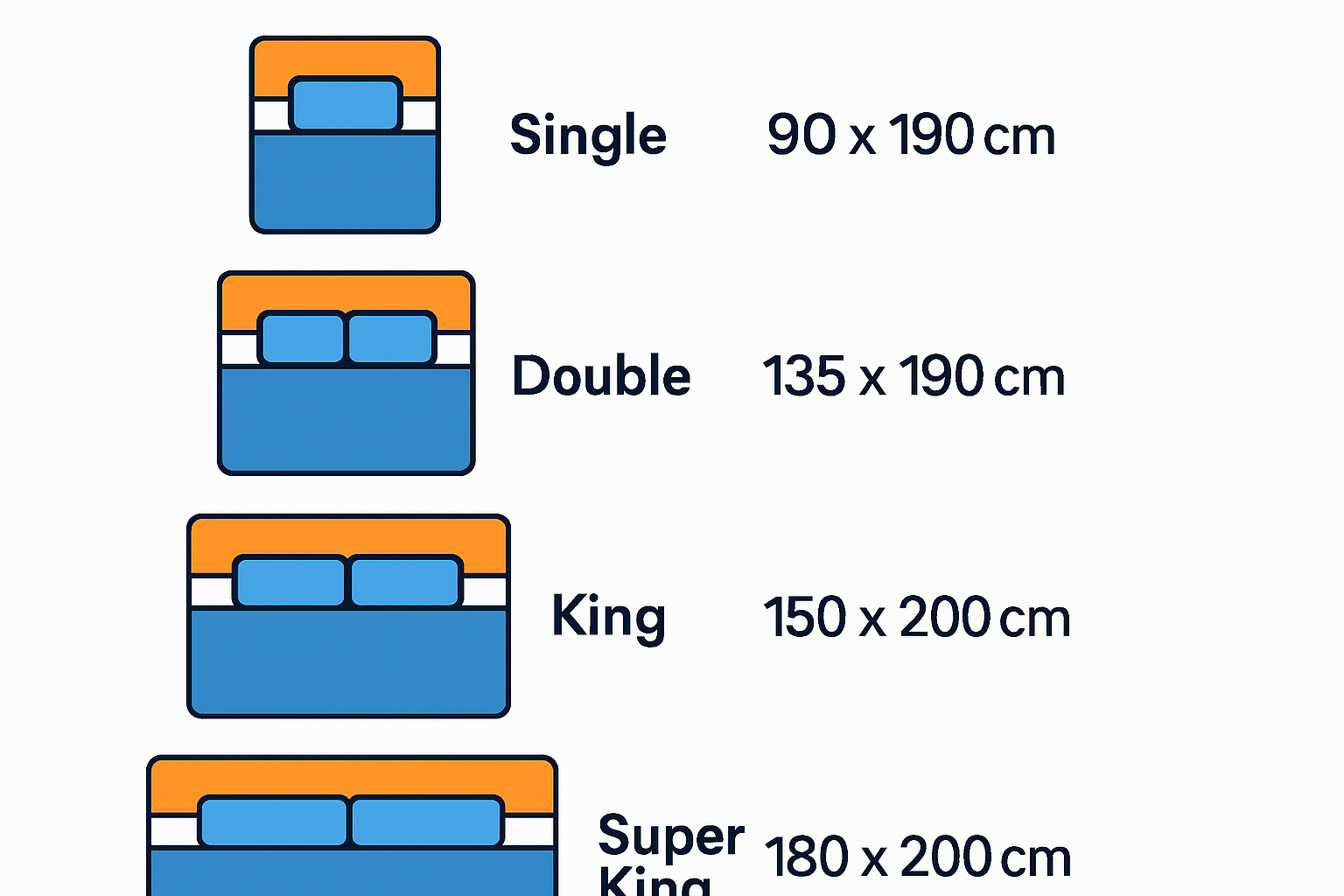
Bensons for Beds emphasises that bed frame sizes are directly linked to mattress dimensions, with slight variations in overall frame measurements. The standard UK bed frame sizes include:
Before purchasing a bed frame, precise room measurements are crucial. DFS recommends leaving at least 60-90cm of walking space around the bed for comfortable movement. This allows for easy navigation and prevents the room from feeling cramped.

When measuring, consider not just the bed frame’s dimensions but also potential additional features like bedside tables, wardrobes, or storage solutions. Remember that bed frames can have a tolerance of +/-2cm in quoted dimensions, so always compare exact measurements to your available space.
Your individual sleeping requirements play a significant role in bed frame size selection. Factors to consider include:
Ultimately, the right bed frame size balances personal comfort, room aesthetics, and practical functionality. Take time to measure carefully, visualise the space, and choose a size that transforms your bedroom into a harmonious, restful sanctuary.
Bed frame materials and design are crucial elements that significantly impact durability, aesthetic appeal, and overall bedroom functionality. The right combination can transform a simple sleeping surface into a design statement that reflects personal style and meets practical requirements.
Wooden bed frames remain a timeless choice, offering warmth and natural elegance to bedroom spaces. Different wood types provide unique characteristics – pine offers affordability and lightness, oak delivers exceptional durability, while walnut presents a luxurious, rich aesthetic. The Royce Institute highlights how advanced material research enables manufacturers to develop wood composites with enhanced structural integrity, improving strength and longevity.
Consider wooden frames’ maintenance requirements, as they may need periodic treatment to prevent warping, protect against moisture, and maintain their finish. Hardwood frames typically offer greater resistance to wear and provide better long-term value, despite higher initial investment.
Metal bed frames represent a contemporary solution that combines structural strength with sleek design. Typically constructed from steel, aluminium, or iron, these frames offer remarkable durability and weight-bearing capacity. Advanced Materials Research indicates that innovative metallurgical techniques now allow manufacturers to create frames with tailored microstructures, balancing strength, weight, and sustainability.
Aluminium offers lightweight construction and resistance to corrosion. Iron frames present a classic, industrial aesthetic but can be heavier and potentially more challenging to move. Powder-coated metal frames additional protection against scratches and environmental wear.
Emerging bed frame designs increasingly incorporate hybrid materials and innovative technologies. Composite frames combining wood and metal elements offer enhanced structural performance, leveraging the aesthetic warmth of wood with the mechanical strength of metal. Some contemporary designs integrate advanced polymers and engineered materials that reduce weight while maintaining exceptional durability.
Consider frames that integrate smart design features like built-in cable management, adjustable height mechanisms, or modular components. These innovations reflect a growing trend towards multifunctional, adaptable furniture that meets diverse lifestyle needs.
When selecting a bed frame material, evaluate factors including budget, aesthetic preferences, room style, anticipated usage, and maintenance capabilities. The ideal choice harmonises technical performance with personal design sensibilities, creating a foundation for restful, comfortable sleep.
Purchasing a bed frame is a significant investment that extends beyond mere aesthetics. The right selection impacts sleep quality, room functionality, and long-term comfort. Understanding the critical factors will help you make an informed decision that meets both practical and personal requirements.
Memory Foam Warehouse emphasises that while budget is crucial, it shouldn’t be the sole determining factor. A quality bed frame represents an investment in your daily well-being. Prices can range from £100 for basic models to over £1,000 for premium designs, with mid-range options typically offering the best balance between cost and quality.
Consider the long-term value rather than just the initial price. Cheaper frames might seem attractive but could deteriorate quickly, leading to additional replacement costs. Look for frames with solid construction, reliable warranties, and positive customer reviews. Pay attention to material quality, joint construction, and overall structural integrity.
Bedstar recommends carefully assessing your specific space and functional requirements. Measure your room dimensions precisely, accounting for additional furniture and walking space. Remember that bed frames often extend slightly beyond mattress dimensions, particularly with wooden or upholstered designs.
Consider additional functionality features such as:
Your bed frame should complement your mattress and sleeping preferences. Different frame types provide varying levels of support and mattress compatibility. Slatted frames offer improved ventilation, while solid platforms provide uniform support. Consider your mattress type – memory foam, innerspring, or hybrid – and ensure the frame provides appropriate foundation.
Additionally, factor in personal sleeping habits. Side sleepers might require frames with enhanced flexibility, while those with back issues might benefit from frames offering adjustable positioning or extra reinforcement.
Ultimately, selecting a bed frame is a personalised process balancing practical requirements, aesthetic preferences, and individual comfort needs. Take time to research, test different options, and prioritise quality and functionality over purely cosmetic considerations. A well-chosen bed frame transforms your bedroom from a simple sleeping space into a personalised sanctuary of rest and relaxation.
There are several types of bed frames, including platform frames, slatted frames, storage-integrated frames, and specialist frames such as adjustable or TV bed frames. Each type serves different needs and preferences, from aesthetic choices to space-saving solutions.
To choose the right bed frame size, measure your room accurately, leaving at least 60-90cm of walking space around the bed. Consider standard UK sizes, which include Single, Small Double, Double, King, and Super King, and take into account future needs and personal preferences.
Common materials for bed frames include wood, metal, and composite materials. Wooden frames offer warmth and durability, metal frames provide modern strength, and hybrid frames combine the benefits of both. The choice depends on your aesthetic preferences, desired maintenance level, and budget.
Budget for a bed frame can vary significantly, ranging from £100 for basic models to over £1,000 for premium designs. Consider not just the purchase price, but also long-term quality and durability to ensure a good investment in your sleep quality.
Feeling overwhelmed by choices, unsure of what bed frame will truly elevate your sleep? With over 60% of adults struggling to achieve a restful night’s sleep, your bed frame choice is more important than ever. From supportive platform frames to innovative storage-integrated designs, the right foundation can be the secret to those restful nights and joyful mornings.
At Number One Beds, we believe that quality sleep leads to a better, more vibrant life. Explore our extensive range of bed frames and accessories tailored to your unique needs:
Don’t leave your sleep to chance—visit Number One Beds now and discover the perfect bed frame for your sanctuary. Quality sleep is just a click away!
