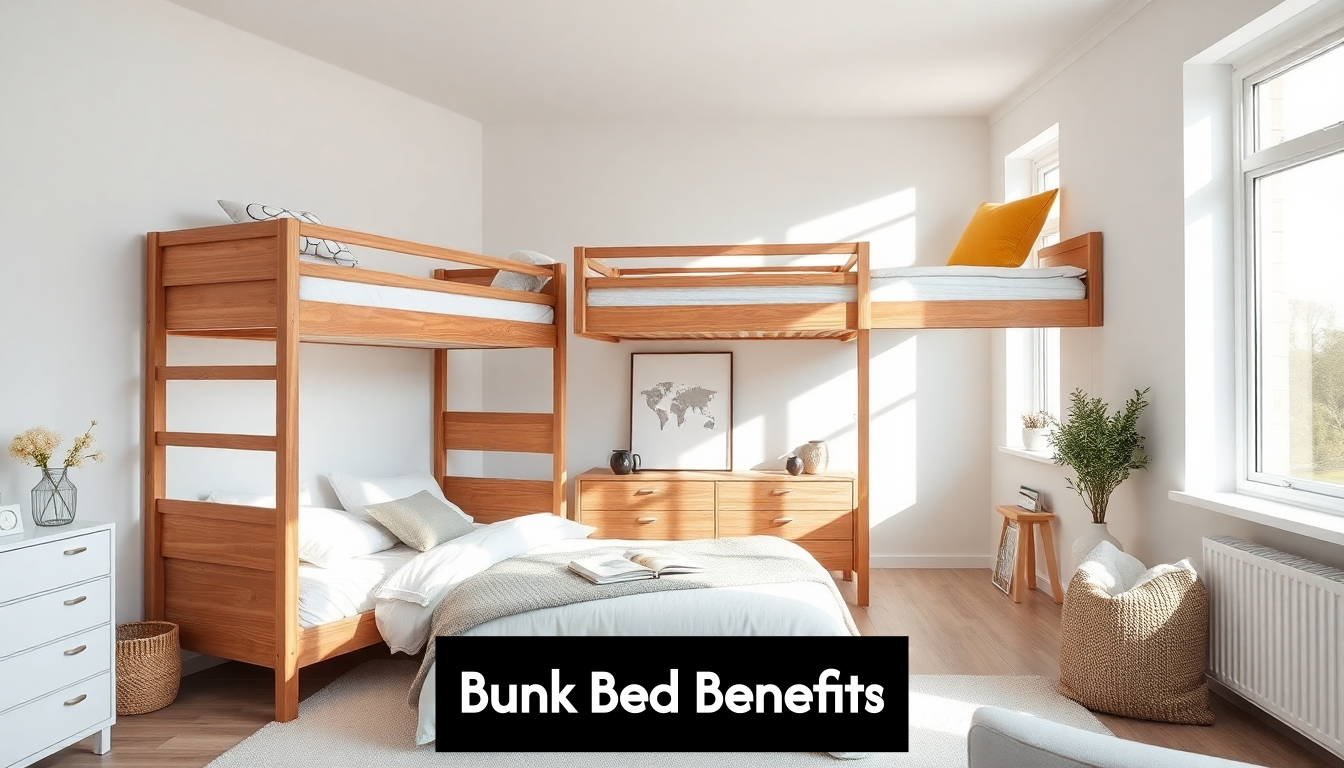
In a world where living spaces are shrinking, finding ways to maximise comfort and functionality is essential. Bunk beds are emerging as the ultimate solution for modern homes, providing far more than just a place to sleep. In fact, bunk beds can free up over 50% more floor space compared to traditional beds. But here’s the twist: many people still think of them as just children’s furniture. The reality is that these versatile beds are perfect for all ages and can reinvent any living space, making them a clever choice for families and young adults alike.
| Takeaway | Explanation |
|---|---|
| Space Efficiency | Bunk beds maximise usable floor space by stacking sleeping arrangements vertically, allowing for more room for activities and essential furniture in compact living areas. |
| Integrated Storage Solutions | Many modern bunk beds feature built-in storage options, such as under-bed drawers and shelving units, reducing the need for additional furniture and keeping rooms organised. |
| Enhanced Safety and Comfort | Updated safety standards and comfort features like proper mattress support and adequate headroom ensure a secure and pleasant sleeping environment for children and families. |
| Adaptability Across Life Stages | Bunk beds are designed to accommodate various age groups and configurations, making them a long-term investment that evolves with household needs and promotes efficient space use. |
| Economic Value | Bunk beds provide cost-effectiveness by optimising space, reducing maintenance needs, and offering good resale value, making them a practical choice for both residential and institutional settings. |
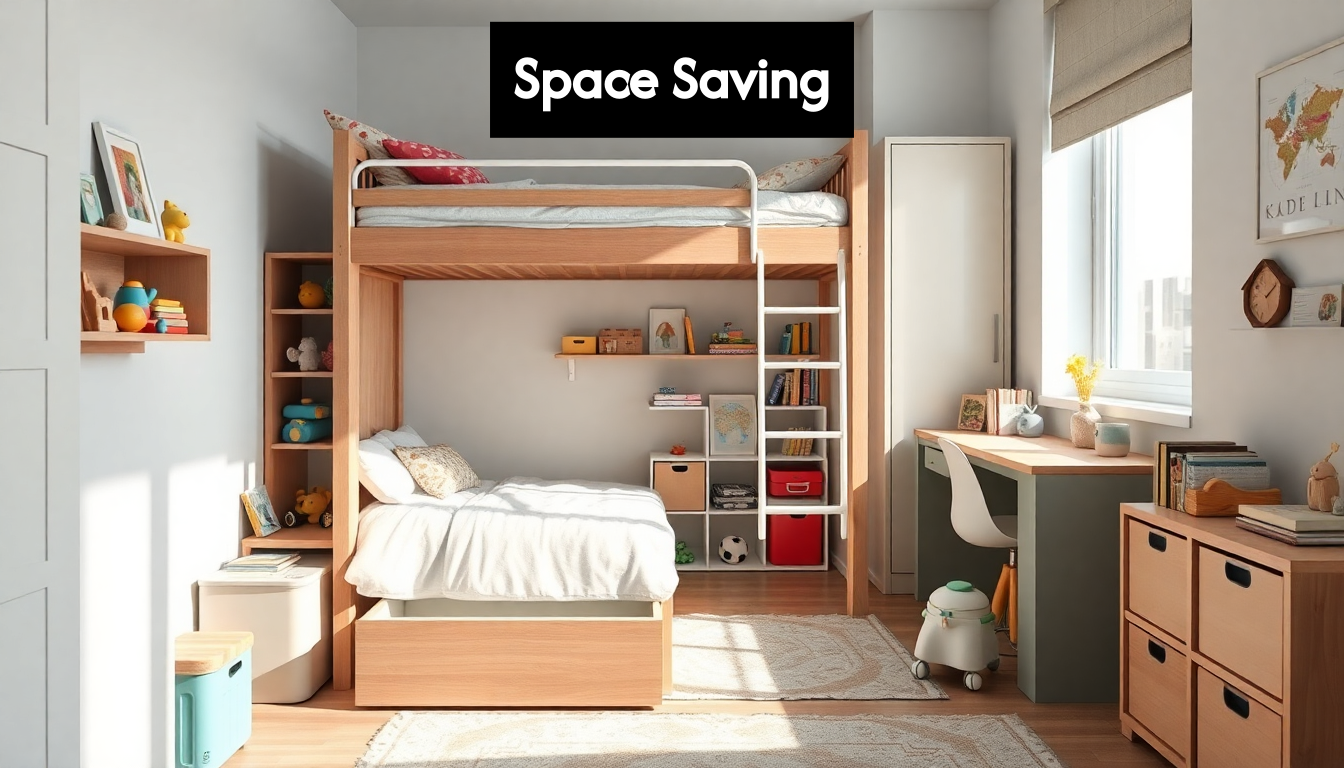
In today’s housing landscape where square footage comes at a premium, making the most of available space isn’t just nice—it’s necessary. Bunk beds stand out as champions of space optimisation, offering smart solutions that transform cramped quarters into functional, comfortable living areas.
The most obvious bunk bed benefit is the dramatic increase in usable floor space. By building upward rather than outward, bunk beds liberate valuable square footage that would otherwise be consumed by traditional bed arrangements.
According to Strictly Beds and Bunks, bunk beds are specifically designed for compact rooms, with special models like short bunk beds created to fit in spaces with height restrictions. This vertical stacking principle works brilliantly in children’s bedrooms, where floor space becomes play space—giving kids room to build forts, create art, or simply move around more freely.
For adults sharing flats or studio apartments, the freed-up floor area can accommodate essential furniture like desks, wardrobes, or seating arrangements that might otherwise be impossible to include.
Modern bunk beds go far beyond just providing sleeping quarters—they’re comprehensive space management systems. Many designs incorporate clever storage features that eliminate the need for separate furniture pieces.
Storage options typically include:
These multifunctional elements make bunk beds particularly valuable in smaller homes where every centimetre counts. Rather than purchasing separate storage furniture that consumes precious floor space, these all-in-one solutions keep rooms feeling open and uncluttered.
Loft beds represent perhaps the ultimate space-saving innovation, essentially creating an additional room within a room. As noted by GLTC, loft beds function as effective space savers by combining a raised mattress with versatile use of the space underneath.
The area beneath a loft bed can be transformed into:
A dedicated study zone with desk and chair
A cosy seating area with bean bags or small sofas
A gaming station for tech-savvy children or teens
A compact home office for remote working adults
This approach to vertical zoning effectively doubles the functional area of a room without increasing its physical dimensions. For university students in hall accommodation or young professionals in city flats, this can be the difference between a cramped, stressful environment and a well-organised, comfortable living space.
One of the less obvious benefits of bunk beds is how they naturally divide rooms into distinct functional zones. Dezeen highlights how stacking beds vertically creates more room for play while establishing greater privacy in shared spaces.
In children’s rooms, the upper level becomes a sleeping sanctuary while the lower level and surrounding floor space can be designated for specific activities—reading corners, craft tables, or toy storage. This spatial organisation helps children understand boundaries and develop healthy habits around sleep versus play areas.
For adults, the same principle applies to creating mental separation between rest and work zones—particularly important in our era of increased home working.
By thoughtfully implementing bunk bed solutions, even the smallest rooms can be transformed into highly functional, organised spaces that accommodate multiple needs without feeling crowded or chaotic. This space-efficiency represents one of the most compelling bunk bed benefits, making them invaluable tools in modern space management.
When it comes to bringing bunk beds into family homes, safety and comfort naturally take centre stage in parents’ concerns. Far from being merely practical space-savers, modern bunk beds are designed with family wellbeing as a priority, addressing both physical safety requirements and the comfort needs of growing children.
In the UK, bunk beds are subject to strict safety regulations that provide peace of mind for families. According to the Furniture Industry Research Association, the recently updated EN 747:2024 standard mandates comprehensive safety provisions for domestic bunk beds.
These updated standards require:
Beyond fall prevention, the standards also address construction robustness, ensuring that bunk beds can withstand the inevitably enthusiastic use by children. The absence of sharp edges and secure, fixed ladders are additional safety features that protect against common injury risks.
These stringent requirements mean today’s bunk beds offer significantly enhanced safety compared to older models, making them a reliable choice for safety-conscious families.
While safety forms the foundation of good bunk bed design, comfort determines whether children will actually enjoy using them. Today’s manufacturers understand that uncomfortable sleeping arrangements lead to restless nights and grumpy mornings—a scenario no family wants to face.
Modern bunk beds address comfort through:
Mattress support systems that provide proper spinal alignment for growing bodies
Adequate headroom for the lower bunk, preventing claustrophobia and allowing for comfortable sitting
Sturdy construction that minimises creaking and movement disturbances between sleepers
Appropriate ladder designs that make climbing to the top bunk easier and more comfortable
For families with children of different ages, these comfort features ensure that bunk beds remain practical for many years, adapting to changing needs as children grow.
One of the most valuable bunk bed benefits for families is the flexibility to match sleeping arrangements to children’s developmental stages. Manufacturers now offer various configurations designed with specific age groups in mind.
For younger children, lower-height bunk beds with additional safety features like partial side rails on the bottom bunk provide extra security. These designs often incorporate playful elements that make bedtime more appealing to reluctant sleepers.
For older children and teenagers, more sophisticated designs include study areas, charging points for devices, and personal storage—acknowledging their growing need for independence and privacy even in shared rooms.
Many convertible bunk bed designs can be separated into two individual beds when children outgrow the need for a stacked arrangement, extending the furniture’s useful life span and providing excellent value for growing families.
Beyond the physical aspects of safety and comfort, well-designed bunk beds contribute to creating positive sleep environments that benefit the entire family’s wellbeing.
Giving children their own defined sleeping spaces, even in shared rooms, helps establish healthy sleep routines and boundaries. The sense of having a personal territory within a shared bedroom can reduce sibling conflicts and support emotional development.
For parents, knowing their children are sleeping safely and comfortably brings peace of mind that improves the whole family’s quality of rest. The structure and clear boundaries provided by bunk bed arrangements often help maintain more consistent bedtime routines—a win for family harmony.
While bunk beds might initially seem like simply practical furniture, their contribution to family wellbeing through safety, comfort, and support for healthy sleep patterns represents one of their most significant benefits for modern households.
While bunk beds are often associated with children’s bedrooms, their utility extends far beyond the early years. Modern designs have evolved to accommodate users across life stages, making them a versatile investment that can adapt to changing needs. The growing popularity of these adaptable sleeping solutions is reflected in market projections from DataIntelo, which values the global bunk beds market at approximately USD 4 billion in 2023 with projected growth to around USD 6.8 billion by 2032.
The transition from childhood to young adulthood doesn’t necessarily mean outgrowing bunk beds. In fact, research published in Science Daily identified an unexpected spike in bunk bed-related injuries among 18-21 year olds, indicating their widespread use in settings like university dormitories and military barracks.
Young adults appreciate bunk bed benefits for several practical reasons:
Manufacturers have responded with designs specifically targeting this demographic, featuring sturdier construction, more sophisticated aesthetics, and practical additions like integrated power outlets for devices and enhanced privacy screens.
Bunk beds provide exceptional versatility for families who need to accommodate occasional guests. Rather than dedicating valuable space to rarely-used guest rooms, adaptable bunk bed setups offer clever solutions:
Trundle configurations that conceal an extra bed beneath a standard one, ready to pull out when needed
Fold-away designs that transform from shelving or desk units into sleeping spaces
Convertible systems that can function as seating during the day and beds at night
These adaptable options allow homeowners to maintain multifunctional spaces rather than rooms that sit empty most of the time—an increasingly important consideration as housing costs rise and square footage becomes more precious.
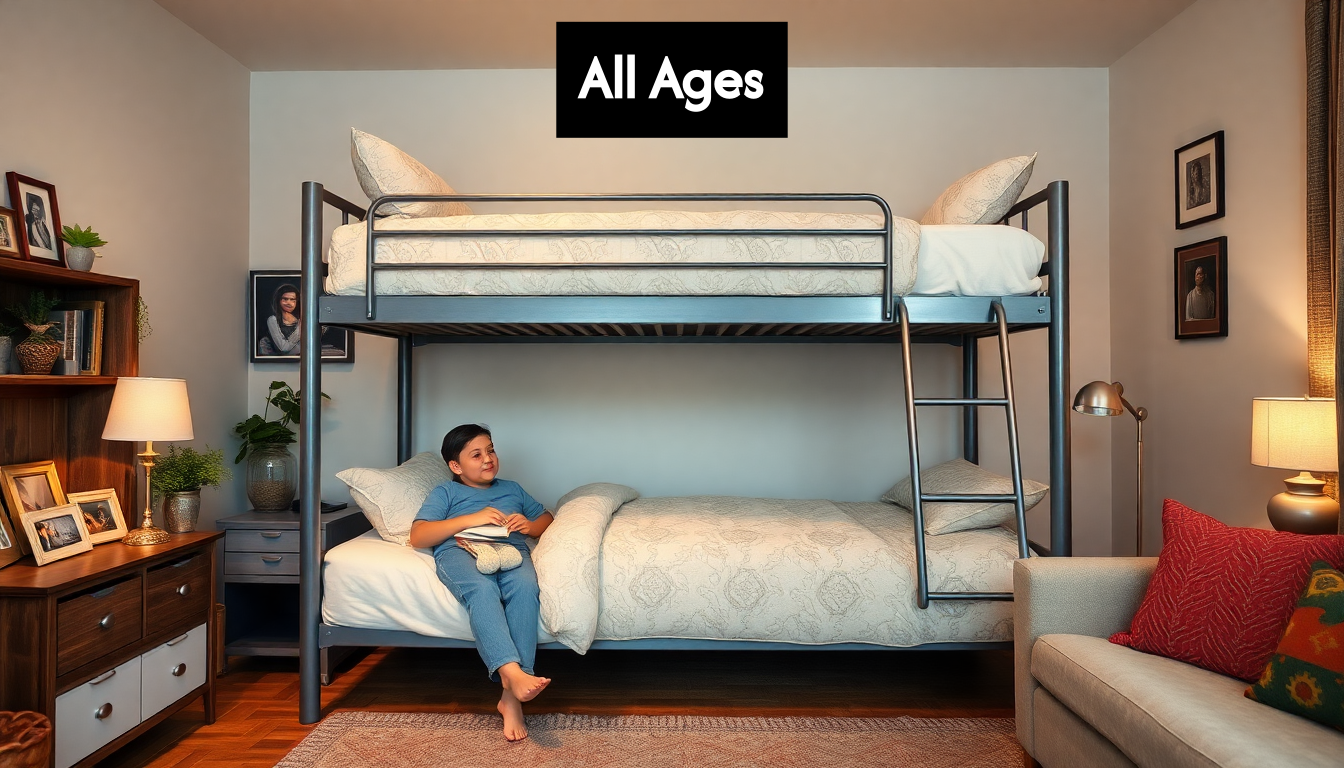
As multigenerational living becomes more common, adaptable sleeping arrangements gain importance. Modern families often need flexible solutions that accommodate:
Highly adaptable bunk bed systems address these challenges by providing options that can be reconfigured as family dynamics change. Some systems allow for beds to be separated, elevated, lowered, or rearranged without purchasing entirely new furniture—a substantial benefit for families in transition.
As awareness of inclusive design principles grows, bunk bed manufacturers have responded with options that accommodate users with varying needs and abilities. This represents a significant shift from traditional one-size-fits-all approaches.
Adaptable features now include:
This inclusive approach recognizes that the approximately 36,000 bunk bed-related injuries annually across all age groups, as reported by Science Daily, can be significantly reduced through thoughtful design that considers diverse user needs.
Perhaps the most compelling bunk bed benefit from an economic perspective is the long-term value provided by adaptable designs. Furniture that can transition through multiple life stages and accommodate different users represents a smarter investment than single-purpose items.
High-quality bunk beds with adaptable features often:
This adaptability transforms bunk beds from a temporary solution for young children into a practical, long-term investment in living space efficiency. As housing needs continue to evolve and space optimisation becomes increasingly important, the versatility of adaptable bunk bed designs positions them as a forward-thinking choice for households of all types.
When evaluating furniture purchases, economic considerations often top the list of priorities for prudent consumers. Bunk beds stand out as exceptional investments that deliver substantial value over time while requiring relatively straightforward maintenance—a combination that makes them increasingly popular in various settings.
The economic value of bunk beds stems primarily from their remarkable space efficiency. According to Fact.MR, households invest in bunk beds primarily because they occupy minimal surface area while accommodating multiple sleepers within the same space. This space-saving characteristic translates directly into financial benefits in several ways.
In residential settings, maximizing bedroom capacity without increasing square footage helps families avoid costly home extensions or upgrades to larger properties. Parents can comfortably house multiple children in a single bedroom, potentially saving thousands in housing costs over several years.
For rental property owners and landlords, bunk beds enable more efficient use of available space, potentially increasing the occupancy capacity and subsequent rental income without structural modifications to the property. This efficiency is particularly valuable in high-cost urban areas where every square metre comes at a premium.
Beyond the household, bunk beds deliver substantial economic value in institutional settings. The global bunk beds market is experiencing significant growth, driven largely by expanding educational facilities across both developed and developing regions, as reported by Fact.MR.
Universities represent a particularly notable beneficiary of bunk bed economics. A 2024 study highlighted by the University of Reading indicates that UK higher education contributes approximately £265 billion to the economy. As part of maximizing their operational efficiency, many university accommodation services utilize commercial bunk bed systems to optimize student housing capacity.
These institutional applications demonstrate how bunk beds contribute to broader economic efficiency beyond simple furniture cost comparisons.
The economic value of bunk beds extends beyond initial space savings to include maintenance considerations. Well-designed bunk beds typically feature:
This maintenance simplicity reduces the lifetime cost of ownership compared to more complex furniture pieces that might require specialist repairs or frequent replacement.
For busy families, the ease of maintaining bunk beds represents a significant time-saving benefit as well. Quick wipe-downs of frame surfaces and regular bedding changes are typically all that’s required for day-to-day upkeep. The elevated nature of the top bunk also reduces the floor space that needs regular cleaning—an often overlooked but practical advantage.
Quality bunk beds offer exceptional longevity, particularly when compared to other children’s furniture that might be quickly outgrown. Their adaptable nature means they can transition through various household configurations:
This versatility allows households to avoid the expense of purchasing new furniture for each life stage or family configuration, representing significant cumulative savings.
Many modern bunk bed designs are specifically engineered for disassembly and reassembly, making them suitable for relocation during house moves. This portability preserves their value across multiple homes and prevents the waste and expense associated with abandoning furniture during relocations.
Unlike many furniture items that rapidly depreciate, quality bunk beds often retain reasonable resale value. Their perennial demand and practical functionality mean that well-maintained units can recoup a portion of their initial investment when no longer needed.
This resale potential further enhances their overall economic value proposition, particularly for families who view children’s furniture purchases as temporary investments rather than permanent fixtures.
The combination of space efficiency, institutional applications, simple maintenance, adaptability, and resale potential makes bunk beds a remarkably sound economic choice—explaining their enduring popularity across diverse household types and institutional settings alike.
Bunk beds maximise floor space, offer integrated storage solutions, enhance safety and comfort, and provide adaptability for users of all ages, making them a practical choice for modern homes.
Bunk beds utilise vertical stacking to free up over 50% more floor space compared to traditional beds, allowing for additional activities, furniture, and organisation in compact living areas.
Yes, modern bunk beds adhere to robust safety standards, featuring protective guardrails, secure mattress fit, and sturdy construction to ensure a safe sleeping environment for children and families.
Absolutely! Bunk beds are designed to accommodate users of all ages. They are perfect for young adults in shared flats, temporary housing, or as versatile solutions in guest rooms, providing stylish and practical sleeping arrangements.
As highlighted in our recent article about 2025’s Essential Bunk Bed Benefits, space optimisation is becoming crucial for modern living, especially in today’s compact homes. Are you feeling overwhelmed by limited floor space or struggling to create productive zones in shared bedrooms? With our stylish and functional bunk beds, you can reclaim your space while ensuring safety and comfort for every family member.
At Number One Beds, we believe that your bedroom should be a sanctuary, not a stressor. Our extensive range of bunk beds perfectly aligns with your desire for adaptability and functionality. With integrated storage solutions and thoughtful designs that suit every age, you’re not just buying furniture; you’re investing in a happier home environment.
Discover how our products can elevate your living space by visiting https://numberonebeds.com today! Don’t wait any longer to create the stylish, restful sanctuary you deserve—check out our collection now and transform your home!
