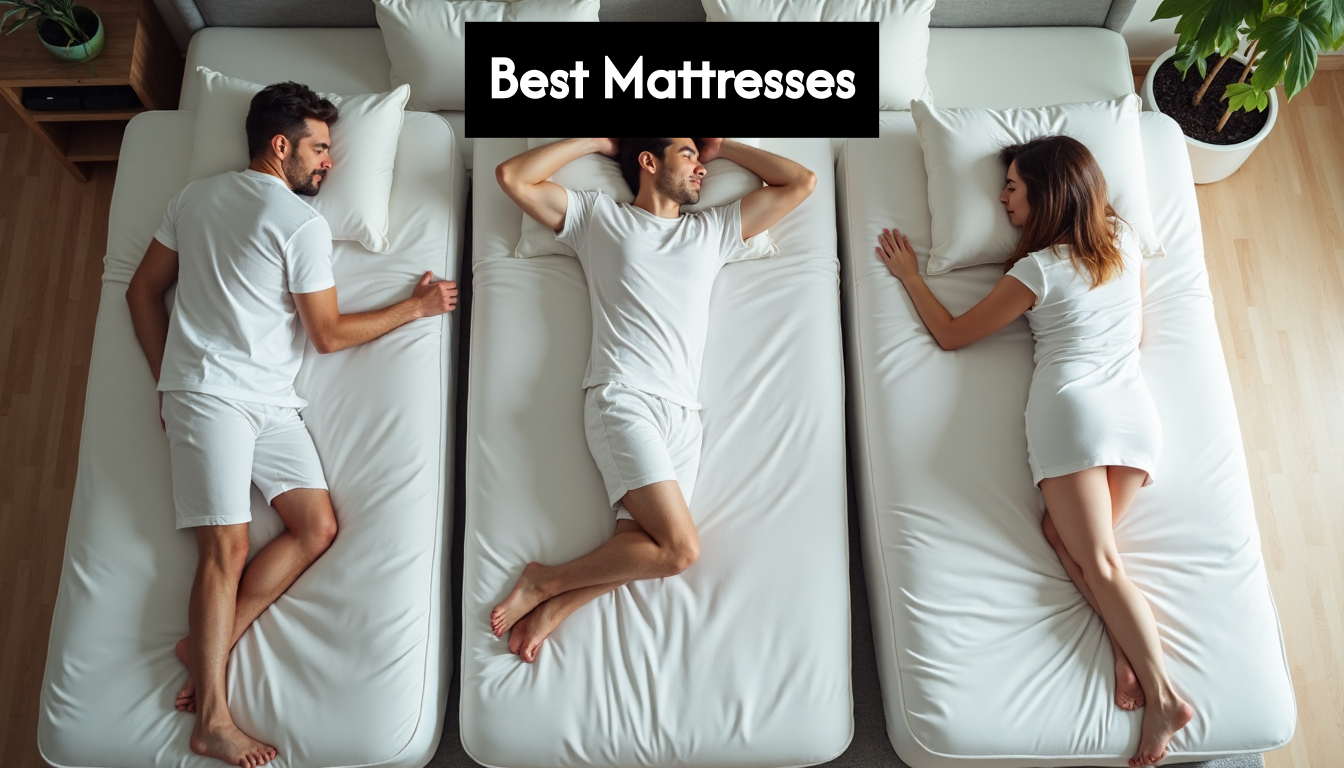
Most people think picking a mattress is all about softness and comfort. Here’s something different. Roughly 74% of people sleep on their sides, concentrating up to 55% more body weight on their shoulders and hips than other sleepers. Yet the most surprising part is that the best mattress for you depends almost entirely on the way you sleep, not just what feels good in the shop. The wrong choice does more than disturb your rest – it can actually worsen back pain, snoring or even heartburn during the night. Discover why matching your mattress to your favourite sleep position matters more than you ever realised.
| Takeaway | Explanation |
|---|---|
| Understand Your Sleep Position | Your preferred sleep position reveals important details about your health and the type of mattress support you need for optimal comfort and well-being. |
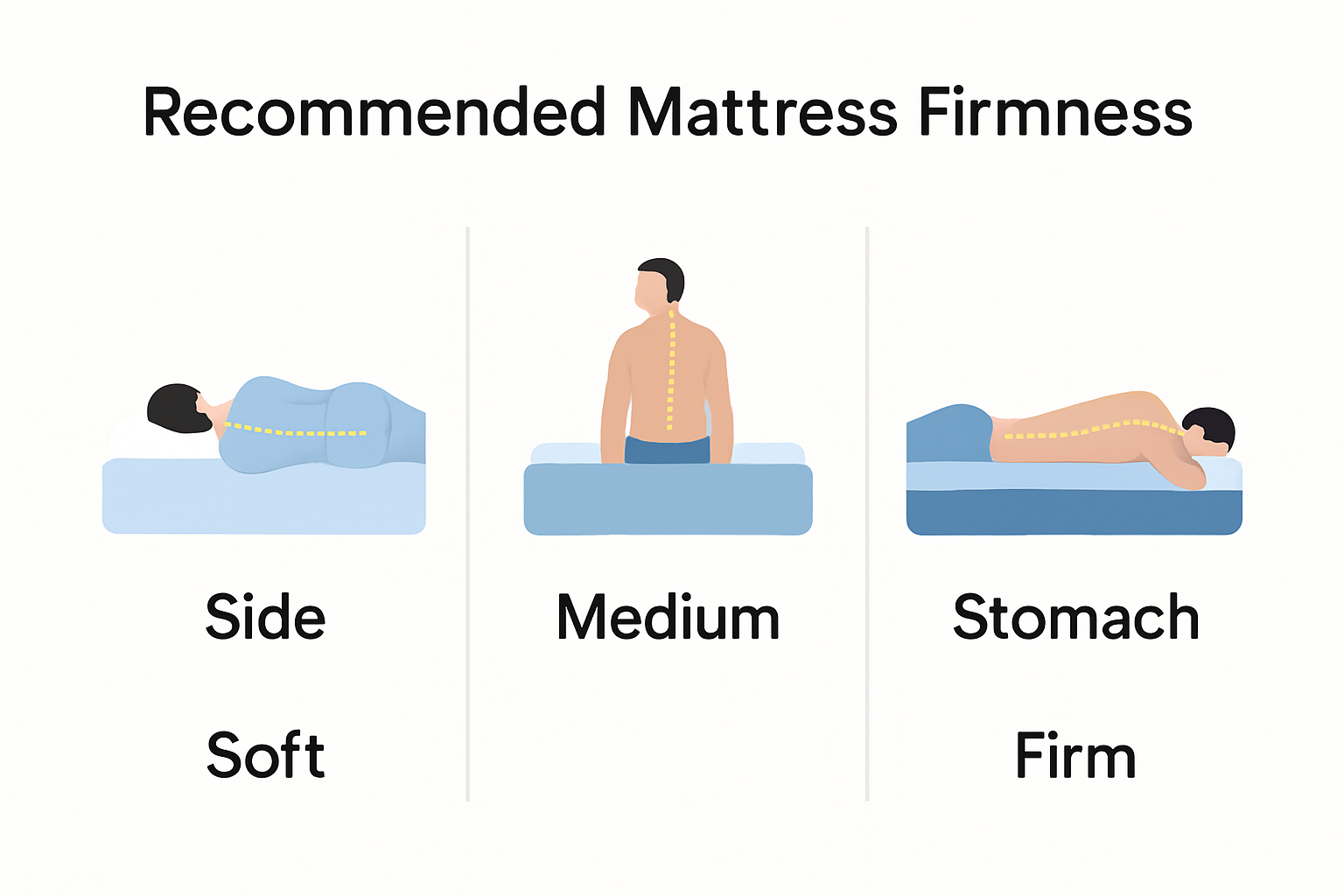
| Mattress Recommendations by Sleep Position | Side sleepers benefit from medium-soft to medium mattresses, back sleepers require medium-firm options, and stomach sleepers should choose firm mattresses to avoid strain. |
| Material Considerations Matter | For side sleepers, consider higher density memory foam and cooling technologies for pressure relief. Back sleepers should look for firm support layers, while stomach sleepers need a flat surface without excessive sinkage. |
| Health Implications Are Key | Sleep position impacts various health conditions; for example, side sleeping may alleviate acid reflux, while spinal alignment can prevent chronic pain for back sleepers. |
| Trial and Consult for Best Fit | Individual comfort and health issues are unique, so testing mattresses and consulting professionals is recommended for finding the ideal support. |
Your sleep position isn’t just a matter of comfort. It reveals critical insights about your physical health, potential body challenges, and the precise mattress support you require. Understanding how you naturally position yourself during sleep can help you make informed choices about your sleep environment and overall wellbeing.
Every sleep position places unique demands on your body’s muscular and skeletal systems. Side, back, and stomach sleepers experience dramatically different pressure points and spinal alignments throughout the night. Research from the Sleep Foundation suggests that your preferred sleeping posture can significantly impact everything from spinal health to respiratory function.
Side sleeping remains the most common position, with approximately 74% of people gravitating towards this stance. However, not all side sleeping is created equal. The way you curl or stretch can determine the amount of pressure placed on your joints and spine. Optimal side sleeping involves keeping your spine relatively straight, with knees slightly bent and a pillow between your legs to maintain proper hip alignment.
According to mattress experts at Sonno, different sleep positions require specific mattress characteristics. Back and stomach sleepers typically need medium-firm to firm mattresses that prevent excessive sinking and maintain proper spinal alignment. Side sleepers, conversely, benefit from softer mattresses that allow gentle contouring around shoulders and hips.
Consider these critical mattress recommendations based on your sleep position:
Your sleep position isn’t merely about comfort. It can signal and potentially mitigate various health conditions. Individuals with acid reflux might find relief by sleeping on their left side, while those with sleep apnea could benefit from specific positional adjustments. Medical research consistently demonstrates how sleep positioning influences respiratory function, digestion, and overall physical recovery.
People experiencing chronic pain should pay particular attention to their sleep position. A misaligned spine during sleep can exacerbate existing musculoskeletal issues, turning what should be a restorative period into a source of additional discomfort. By understanding your body’s natural tendencies and selecting a mattress that complements your sleep position, you can transform your nightly rest into a healing, supportive experience.
Remember that while these guidelines provide valuable insights, individual variations exist. Your unique body composition, existing health conditions, and personal comfort preferences will ultimately determine your ideal sleep setup.
Side sleeping represents the most prevalent sleep position globally, with unique ergonomic requirements that demand specialised mattress considerations. Unlike other sleeping postures, side sleepers experience concentrated pressure on specific body regions, making mattress selection a critical health decision.
The human body experiences distinctive pressure dynamics when sleeping on one’s side. Orthopedic research from the American Chiropractic Association reveals that side sleepers concentrate approximately 55% more body weight on their shoulders and hips compared to other sleep positions. This concentrated pressure necessitates a mattress with strategic cushioning and responsive support.
Ideal side sleeping mattresses should feature medium to medium-soft firmness levels, providing sufficient give to accommodate natural body curves. The goal is creating a pressure-relieving surface that allows shoulders and hips to sink slightly while maintaining proper spinal alignment. Memory foam and hybrid mattresses often excel in delivering this nuanced support.
Sleep science experts at the National Sleep Foundation recommend specific material characteristics for side sleepers. Memory foam remains the gold standard, offering pressure point relief through its contouring properties. However, not all memory foam is created equal.
Consider these critical material attributes:
Side sleeping isn’t just about comfort it’s a potential solution for various health conditions. Clinical research published in the Journal of Clinical Sleep Medicine indicates that side sleeping can mitigate acid reflux, reduce snoring, and potentially decrease risk of neurological disorders.
For individuals with existing musculoskeletal challenges, mattress selection becomes even more critical. Those with shoulder or hip pain require extra attention to mattress characteristics. A mattress that’s too firm can create additional pressure points, while an overly soft mattress fails to provide necessary structural support.
People with broader shoulders or larger body frames might need additional mattress considerations. Some manufacturers now offer side-sleeper specific mattresses with enhanced zonal support, recognising the unique ergonomic needs of this sleeping position.
Ultimately, selecting the perfect mattress involves personal experimentation. While general guidelines provide valuable direction, individual body composition, existing health conditions, and personal comfort preferences will determine the ideal sleep surface. Consider mattresses with trial periods that allow comprehensive testing in your own sleep environment.
Back sleeping represents a precision-engineered approach to rest, demanding specific mattress characteristics that maintain optimal spinal alignment and provide consistent support. Unlike other sleep positions, back sleepers require a nuanced balance between firmness and comfort to prevent potential musculoskeletal complications.
Orthopedic research from the Telegraph emphasises that back sleepers need mattresses preventing the spine from settling into a U-shape. This critical consideration means selecting a mattress that offers firm, consistent support across the entire back region.
The ideal mattress for back sleepers should distribute body weight evenly, reducing pressure points and maintaining the spine’s natural curvature. Medium-firm to firm mattresses typically provide the most appropriate support, allowing minimal sinkage while preserving proper postural alignment. Open coil and hybrid mattress designs often excel in delivering this precise support mechanism.
Mattress experts at Mattress Man recommend specific material characteristics for back sleepers. Open coil mattresses remain particularly effective, offering robust support through their interconnected spring system. Memory foam and latex hybrid options can also provide exceptional back support when constructed with appropriate firmness levels.
Consider these critical material attributes for back sleepers:
Clinical studies in sleep ergonomics consistently demonstrate that proper mattress selection can significantly reduce chronic back pain and improve overall sleep quality. Back sleepers with existing musculoskeletal conditions must pay particular attention to mattress characteristics.
The Hypnos Ortho Support 7 represents an exemplary mattress design for back sleepers, incorporating targeted support zones and firm construction specifically engineered for spinal health. Such specialised mattresses recognise that back sleeping isn’t merely a position but a deliberate approach to nocturnal recovery.
Individuals with broader body frames or those experiencing chronic back discomfort might require additional considerations. Some manufacturers now offer customised mattress options with zoned support, recognising the nuanced ergonomic needs of back sleepers.
Ultimately, selecting the perfect mattress involves personal assessment and potentially professional consultation. While general guidelines provide valuable direction, individual body composition, existing health conditions, and personal comfort preferences will determine the ideal sleep surface. Recommended strategies include utilising mattress trial periods and consulting with orthopaedic specialists to ensure optimal support.
Stomach sleeping represents the most challenging sleep position from an ergonomic perspective, demanding extraordinary attention to mattress selection and body mechanics. Unlike other sleep positions, stomach sleepers face unique physiological challenges that can significantly impact spinal health and overall physical comfort.
Research from the National Health Service highlights the inherent risks associated with stomach sleeping. This position naturally forces the spine into an unnatural curve, causing increased pressure on vertebral structures and potential long-term musculoskeletal complications.
The primary biomechanical issue stems from neck and lower back positioning. When sleeping on the stomach, individuals typically turn their head to one side, creating asymmetrical neck strain. Simultaneously, the lower back experiences excessive arching, which can lead to persistent lumbar discomfort. Proper mattress selection becomes crucial in mitigating these potential health risks.
Orthopedic experts recommend firm to extra-firm mattresses for stomach sleepers. The ideal mattress should provide minimal sinkage, maintaining a relatively flat surface that prevents excessive spinal curvature. Hybrid mattresses with firm support layers and minimal cushioning often represent the most suitable option.
Consider these critical mattress selection criteria:
Sleep posture specialists suggest several strategies to reduce potential health risks associated with stomach sleeping. Placing a thin pillow beneath the pelvis can help maintain spinal alignment, reducing lower back strain. Some individuals might benefit from gradually transitioning to side or back sleeping positions.
People with existing back conditions should exercise additional caution. Stomach sleeping can exacerbate herniated discs, sciatica, and chronic lower back pain. Those with pre-existing musculoskeletal challenges might require specialised mattress solutions or professional guidance in modifying their sleep position.
Interestingly, some stomach sleepers find relief through strategic pillow placement and mattress selection. Memory foam mattresses with minimal cushioning and robust support cores can provide the necessary stability while minimising pressure point discomfort.
Ultimately, individual variation plays a significant role. While general guidelines offer valuable insights, personal comfort, body composition, and specific physical conditions will determine the most appropriate sleep surface. Recommended approaches include consulting with orthopedic professionals, utilising mattress trial periods, and remaining attentive to bodily signals during sleep.
Side sleepers generally benefit from medium-soft to medium mattresses. These provide the necessary pressure relief for the shoulders and hips while maintaining spinal alignment.
Back sleepers should opt for medium-firm to firm mattresses that offer consistent support and prevent the spine from settling into a U-shape, which could lead to discomfort.
Stomach sleepers are advised to select firm to extra-firm mattresses. This helps maintain a flat sleeping surface, reducing excessive spinal curvature and preventing lower back strain.
Yes, your sleep position can impact various health conditions, such as spinal alignment, acid reflux, and snoring. Choosing the right mattress is crucial for optimising comfort and overall health.
Finding the perfect mattress is crucial to optimising your sleep position and improving your overall well-being. Whether you’re a side sleeper desperately seeking pressure relief, a back sleeper needing firm support for spinal alignment, or a stomach sleeper looking to avoid back strain, the right mattress can make a world of difference. This 2025 guide provides invaluable insights, but the journey doesn’t end there—it’s time to act on these recommendations and find bedding solutions that truly suit your needs.
At Number One Beds, we specialise in personalised sleep solutions that cater to your specific requirements. Explore our extensive range of mattresses designed for every sleeping style, from medium-soft memory foam perfect for side sleepers to firm options for back and stomach sleepers. With our commitment to quality and comfort, we ensure that you not only sleep better but also wake up refreshed and ready to take on the day. Don’t let another night of discomfort hold you back—visit us today at numberonebeds.com and discover how a great mattress can transform your sleep experience!
