
Bedroom furniture maintenance might sound mundane, but it holds the key to creating a serene and inviting space. The UK Bedroom Furniture market is projected to grow by 6 percent by 2025, making it crucial for homeowners to care for their investments. But here’s the twist—most people overlook daily maintenance routines, thinking a simple wipe-down is enough. In reality, the secret to longevity lies in consistent, strategic care that keeps your pieces looking fresh and functioning well. Ready to transform your bedroom into a well-maintained sanctuary?
| Takeaway | Explanation |
|---|---|
| Daily Dusting is Essential | Use a soft microfibre cloth daily to trap dust and protect surfaces, ensuring a consistent cleaning routine to maintain furniture integrity. |
| Use Protective Measures | Implement coasters, felt pads, and avoid direct sunlight to prevent wear and tear on furniture items, thereby prolonging their lifespan. |
| Deep Cleaning Techniques are Key | Utilise specific cleaning solutions for wood and upholstery, and consider steam cleaning for fabric surfaces to eliminate allergens and enhance appearance. |
| Address Minor Repairs Promptly | Repair scratches on wood with touch-up markers or wood filler, and use fabric repair kits for upholstery issues to prevent further damage. |
| Professional Assistance for Complex Repairs | Seek expert help for intricate electronic or high-value furniture repairs to ensure longevity and functionality without risking further damage. |
Maintaining bedroom furniture requires consistent daily attention to preserve its appearance, functionality, and longevity. As the UK Bedroom Furniture market continues to grow, understanding proper care becomes increasingly important for homeowners and design enthusiasts.
Daily dusting is the cornerstone of effective bedroom furniture maintenance. Using a soft microfibre cloth prevents dust accumulation and protects delicate surfaces from scratches. Microfibre cloths trap dust particles more effectively than traditional cleaning materials, reducing the risk of surface damage. Begin by gently sweeping the cloth across wooden surfaces, paying special attention to intricate details on headboards, dressers, and bedside tables.
Pro tip: Always dust from top to bottom to ensure that fallen particles are captured completely. For wooden furniture, use a slightly damp cloth to remove stubborn dust, but ensure the cloth is only slightly moist to prevent water damage.
Protecting bedroom furniture from daily wear requires strategic approach. Use coasters under drinks, avoid placing hot items directly on wooden surfaces, and be mindful of potential scratching sources. Research indicates that establishing consistent maintenance routines can significantly extend furniture life.
Consider implementing protective measures:
With bedroom furniture increasingly integrating technology, maintenance has become more complex. Emerging trends show bedrooms transforming beyond traditional sleeping spaces, requiring more sophisticated care techniques.
For furniture with technological components, use specialised cleaning products designed for electronic surfaces. Avoid liquid cleaners near charging stations or integrated tech features. Use compressed air to remove dust from delicate electronic connections, and regularly check cables and connection points for potential wear.
Remember that bedroom furniture maintenance is not just about cleaning, but about preserving the aesthetic and functional integrity of your space. Consistent, gentle care will ensure your furniture remains beautiful and functional for years to come.
Deep cleaning bedroom furniture goes beyond routine dusting, requiring meticulous attention and specialised techniques. Research indicates that comprehensive cleaning routines significantly extend furniture lifespan and maintain aesthetic appeal.
Wooden bedroom furniture demands careful cleaning approaches that preserve its natural beauty and structural integrity. Start by selecting appropriate cleaning solutions based on wood type – hardwoods like oak require different treatments compared to softer pine surfaces. Use specialised wood cleaners that nourish while removing grime, avoiding harsh chemical products that might strip protective finishes.
Create a cleaning solution using mild soap and warm water, ensuring the cloth is only slightly damp to prevent moisture damage. Circular motions help distribute cleaning agents evenly, while microfibre cloths trap dust and dirt effectively. For intricate details like carved headboards or dresser handles, use soft-bristled brushes to reach difficult areas without causing scratches.
Interestingly, 53% of people have never cleaned their fabric headboards, making thorough cleaning crucial. Weekly vacuuming using handheld attachments removes accumulated dust, allergens, and potential fabric degradation. For upholstered beds and chairs, identify fabric composition first – delicate materials like velvet require gentler approaches compared to robust cotton or polyester blends.
Pre-treat visible stains using fabric-specific cleaners, testing on inconspicuous areas first to prevent discolouration. Steam cleaning provides deep sanitisation for fabric surfaces, eliminating bacteria and refreshing appearance. Consider professional cleaning services for complex or expensive upholstered pieces to maintain their original quality.
Modern bedroom furniture increasingly incorporates technological elements, requiring specialised cleaning techniques. Use compressed air to remove dust from charging stations and electronic interfaces, preventing potential short-circuit risks. Microfibre cloths designed for electronics help clean delicate surfaces without leaving residue.
For integrated smart furniture with touch surfaces or digital displays, use alcohol-based electronic cleaning wipes sparingly. Avoid excessive moisture around electrical components, and always disconnect or power down devices before thorough cleaning. Regular maintenance prevents dust accumulation that might interfere with technological functionalities.
Remember that deep cleaning is an investment in your bedroom furniture’s longevity. Consistent, careful maintenance preserves both aesthetic appeal and functional performance, ensuring your pieces remain beautiful and operational for years to come.
Protecting bedroom furniture requires strategic planning and proactive measures to prevent potential damage from environmental factors, daily use, and unexpected incidents. Research from UK sources emphasises the importance of consistent maintenance to preserve furniture’s longevity and aesthetic appeal.
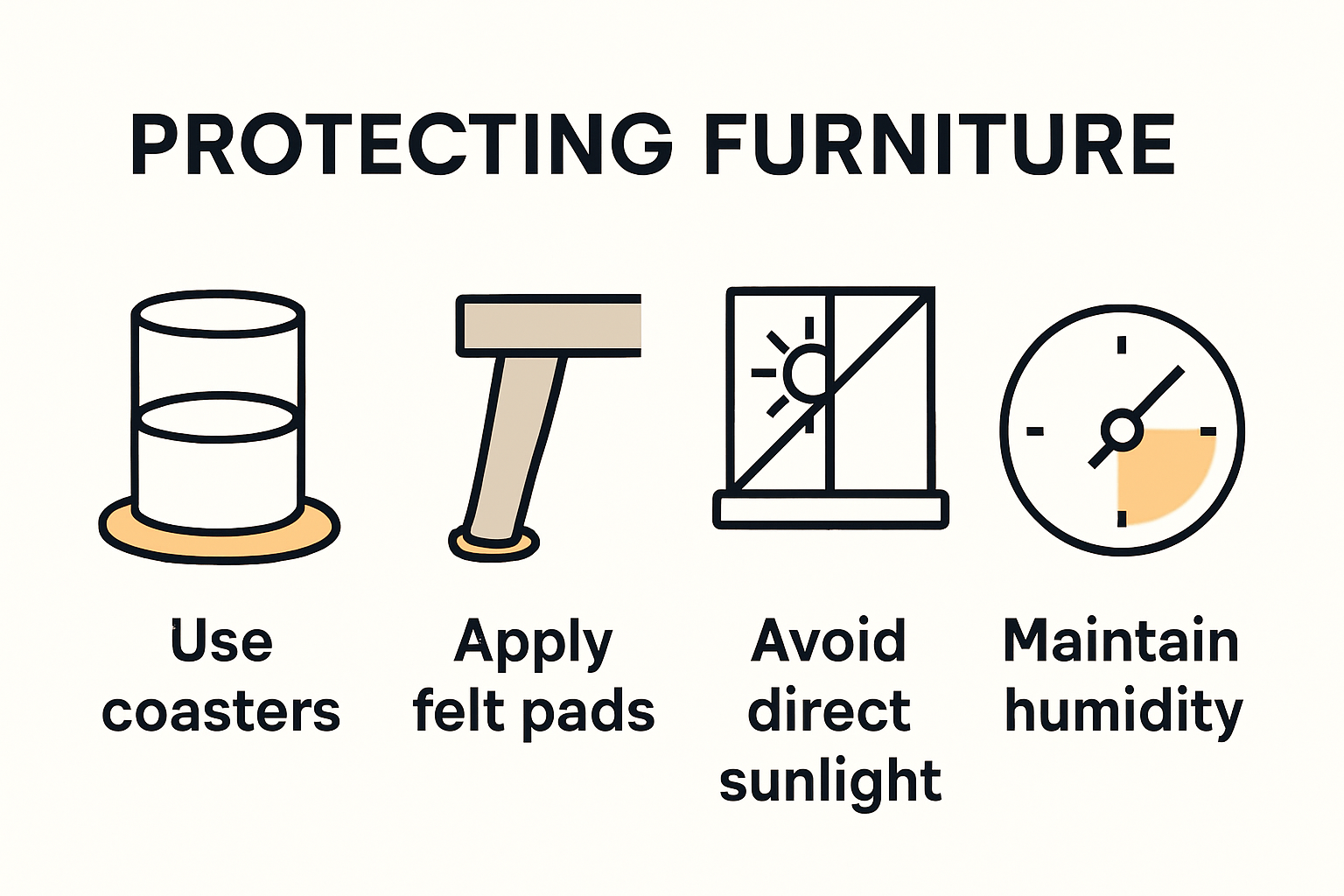
Environmental factors pose significant risks to bedroom furniture. Humidity, temperature fluctuations, and direct sunlight can cause substantial damage to wood, upholstery, and electronic components. Humidity control is critical – maintain room humidity between 40-60% to prevent wood warping, mould growth, and fabric deterioration.
Position furniture away from direct sunlight and heating sources. Use curtains or blinds to filter harsh UV rays that can fade and crack wooden surfaces and upholstery. Consider investing in UV-protective window films to minimise potential sun damage. For wooden pieces, periodic application of furniture polish creates a protective barrier against moisture and environmental stressors.
Preventing physical damage requires thoughtful furniture placement and protective accessories. Use felt pads under furniture legs to prevent scratching hardwood or tile floors. When moving furniture, lift rather than drag to avoid surface abrasions. Implement a ‘no shoes’ policy in bedrooms to reduce dirt and potential surface damage.
Protective measures include:
Proper handling is crucial in preventing furniture damage. When cleaning, use damp microfibre cloths and avoid harsh chemicals that might strip protective finishes. For wooden furniture, always follow the grain when cleaning and applying polish to prevent scratching.
Be cautious with technological furniture components. Use surge protectors for electronic integrated furniture, and avoid exposing digital interfaces to excessive moisture or direct heat. Regular cable management prevents accidental pulling or stress on connection points.
Consider professional assessment for valuable or antique pieces. Some furniture requires specialised care beyond standard maintenance techniques. Annual professional inspections can identify potential issues before they become significant problems.
Ultimately, protecting bedroom furniture is about developing a comprehensive approach that combines preventative strategies, careful handling, and consistent maintenance. By implementing these protective measures, you can significantly extend the life and beauty of your bedroom furniture.
Minor furniture flaws are inevitable with regular use, but addressing them promptly can prevent further damage and extend the life of your bedroom furniture. Research from the UK furniture market emphasises the importance of maintaining furniture’s aesthetic and functional integrity through timely repairs.
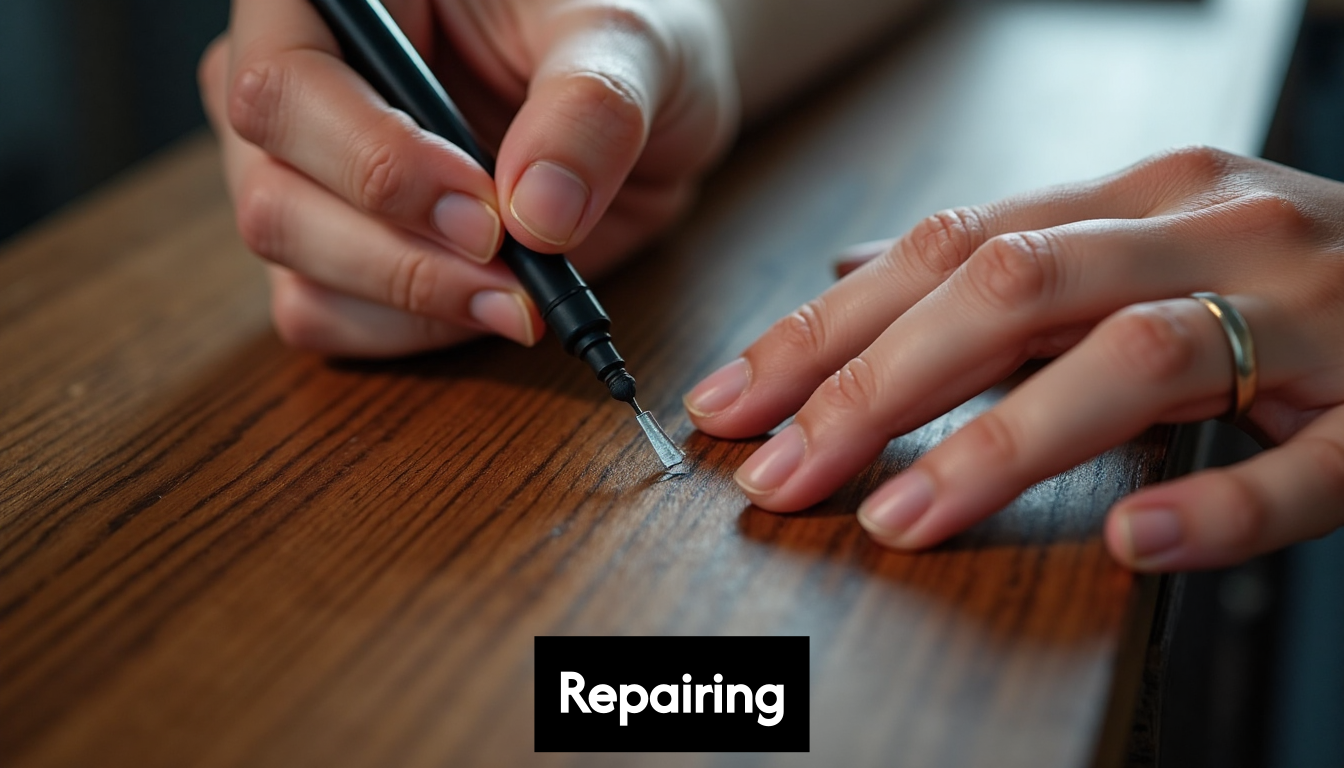
Scratches and small dents on wooden furniture can be effectively repaired using household materials. For light surface scratches, use a wood touch-up marker matching the furniture’s colour to camouflage minor imperfections. Deeper scratches require more comprehensive treatment. Wood filler provides an excellent solution for larger gouges – apply carefully using a plastic putty knife, allowing the filler to dry completely before sanding smooth and refinishing.
For wooden surfaces with minor water rings or heat marks, create a simple repair solution using equal parts white vinegar and olive oil. Gently rub the mixture into the affected area with a soft cloth, working in the direction of the wood grain. This method can often lift light surface damage and restore the wood’s natural appearance.
Fabric furniture demands specialised repair approaches. Small tears or loose threads can be carefully addressed using fabric repair kits or clear fabric adhesive. For upholstered beds and chairs, consistent maintenance prevents extensive damage, making early intervention crucial.
Techniques for minor upholstery repairs include:
Modern bedroom furniture often incorporates electronic components, requiring more nuanced repair approaches. For integrated charging stations or smart furniture features, first diagnose the issue carefully. Simple problems like loose connections can often be resolved by checking cable attachments and ensuring proper electrical connections.
Before attempting complex repairs:
Some repairs are best left to professionals, especially for expensive or technologically complex furniture pieces. When in doubt, seek expert advice to prevent potential further damage. Investing in professional repair can often be more cost-effective than replacing entire furniture pieces.
Remember that minor repairs are an essential aspect of furniture maintenance. Addressing small issues promptly prevents them from becoming more significant problems, ultimately preserving the beauty and functionality of your bedroom furniture.
To maintain wooden bedroom furniture, regularly dust it with a microfibre cloth, use a damp cloth for deeper cleaning with suitable wood cleaners, and apply furniture polish periodically to protect the finish.
For upholstery, vacuum regularly to remove dust and debris. Treat stains promptly with fabric-specific cleaners and consider steam cleaning or professional services for a thorough clean.
To prevent damage, use coasters, felt pads, and avoid placing furniture in direct sunlight. Maintain humidity levels and handle pieces carefully to avoid scratches and dents.
For minor repairs, use touch-up markers for scratches on wood and fabric repair kits for small tears. For electronics, check connections and consult a professional for complex issues.
Keeping your bedroom furniture in prime condition is essential for cultivating a serene and inviting atmosphere—not just for aesthetics but also for the overall longevity of your pieces. With the UK Bedroom Furniture market projected to grow by 6% by 2025, you want to ensure your investments, from bed frames to supportive mattresses, remain flawless through careful maintenance.
Feeling overwhelmed by daily wear and tear, or possibly struggling with deeper cleaning and minor repairs? At Number One Beds, we understand these challenges all too well. Our collection includes high-quality products that cater to various styles and needs, ensuring your bedroom is both stylish and functional. With options like durable beds, comfort-focused mattresses, and elegant headboards, maintaining your serene sleeping space has never been easier.

Don’t wait to perfect your bedroom! Discover the range tailored to your needs and elevate your sanctuary today. ✨ Visit numberonebeds.com now and embrace a world of restful sleep and beautifully maintained furniture. Your dream bedroom awaits!
