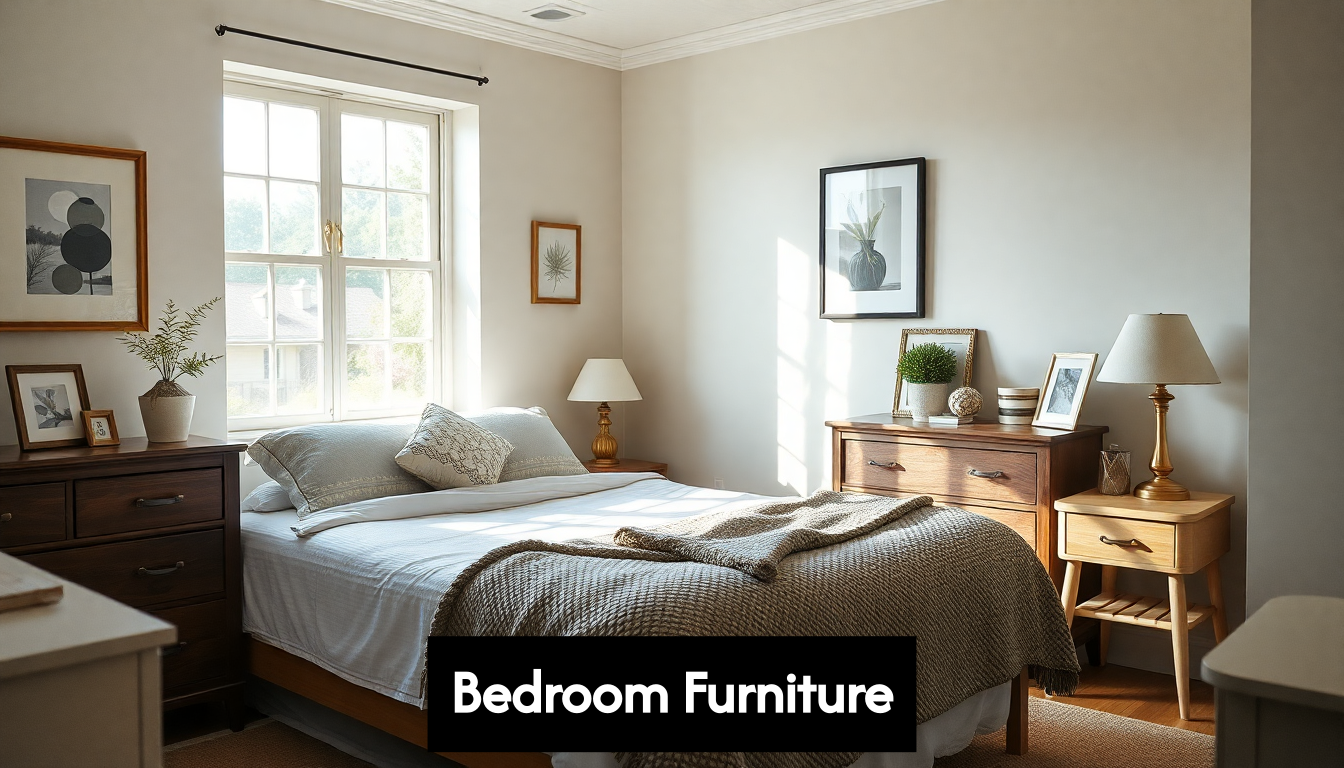
The art of furnishing a bedroom is more than simply picking a few nice pieces. Understanding the basics can transform your sleeping area into a haven of comfort and style. Did you know that a quality mattress can improve your sleep quality by up to 63 percent? However, choosing the right furniture is often overlooked. Because the secret lies not just in aesthetics but in how well each piece supports your daily life and personal needs. Get ready to discover how strategic choices can elevate both functionality and serenity in your bedroom.
| Takeaway | Explanation |
|---|---|
| Invest in Quality Bed and Mattress | The bed frame and mattress are critical for comfort and spinal support, directly impacting sleep quality and overall well-being. |
| Consider Room Size and Proportions | Understanding room dimensions is crucial for selecting appropriately sized furniture that prevents overcrowding and maintains navigation space. |
| Utilise Integrated and Multi-Functional Storage | To maximise space efficiency, incorporate innovative storage solutions like under-bed compartments and modular shelving that serve dual purposes. |
Creating a functional and comfortable bedroom begins with selecting the right furniture pieces. The foundation of bedroom furniture basics goes beyond mere aesthetics, focusing on creating a space that supports rest, relaxation, and personal style.
Every bedroom requires a strategic selection of furniture that balances functionality and comfort. The primary pieces form the backbone of your sleeping sanctuary. A quality bed frame and mattress remain the most critical investments, directly impacting sleep quality and overall well-being. According to research on bedroom furniture design, ergonomic considerations are crucial when selecting these fundamental pieces.
The standard bedroom furniture collection typically includes:
Storage solutions are paramount in bedroom furniture basics. Many UK households struggle with limited space, making multi-functional furniture critical. Statistics reveal that approximately 9% of adults are missing essential furniture items, highlighting the importance of strategic furniture selection.
When selecting bedroom furniture, consider these practical aspects:
Beyond basic functionality, bedroom furniture should reflect individual style and comfort preferences. Each piece should contribute to a cohesive design while meeting specific personal needs. Consider furniture that offers flexibility – such as beds with built-in storage or modular units that can adapt to changing living situations.
Integrating personal touches through carefully selected furniture allows you to transform a simple sleeping area into a personalised retreat. Whether you prefer minimalist designs or more elaborate styling, the key is selecting pieces that create a harmonious and comfortable environment.
Remember, bedroom furniture is an investment in your daily comfort and well-being. Taking time to select the right pieces ensures a space that not only looks appealing but also supports your lifestyle and rest requirements.
Selecting appropriately sized furniture is crucial in transforming your bedroom from a mere sleeping space into a functional and comfortable sanctuary. Bedroom furniture basics demand careful consideration of dimensions, proportions, and spatial dynamics to create an optimal living environment.
Room size plays a critical role in furniture selection. According to standard UK housing measurements, single bedrooms typically range from 7 to 9 square metres, while double bedrooms span 11 to 14 square metres. These dimensions significantly influence furniture choices, dictating the scale and quantity of pieces you can comfortably accommodate.
Standard furniture dimensions provide a helpful reference point:
Choosing furniture that fits proportionally prevents overcrowding and maintains necessary movement space. A general rule of thumb is to leave at least 60-75 cm of walking space around furniture pieces to ensure comfortable navigation.
The Housing Act 1985 provides legal guidelines specifying that rooms smaller than 4.64 square metres are not legally recognised as bedrooms. This underscores the importance of strategic spatial planning. For a room to comfortably accommodate a standard double bed, it should measure at least 2.7 metres by 3 metres.
When selecting furniture, consider these critical spatial considerations:
Research suggests that an ideal master bedroom size ranges from 250 to 350 square feet, providing ample space for sleeping, storage, and additional furniture. However, not everyone has access to such spacious rooms, making clever furniture selection paramount.
For smaller bedrooms, consider:
Larger bedrooms offer more flexibility, allowing for additional pieces like seating areas, vanity tables, or decorative furniture that enhances the room’s aesthetic and functionality.
Remember, bedroom furniture is not just about filling space—it’s about creating a personalised, comfortable environment that reflects your lifestyle and maximises available square footage. Take time to measure, plan, and select pieces that harmonise with your room’s unique characteristics.
Creating an optimal bedroom layout transcends mere furniture placement—it’s about crafting a harmonious environment that supports comfort, functionality, and personal well-being. Understanding the nuanced interplay between space, furniture, and movement is crucial in bedroom furniture basics.
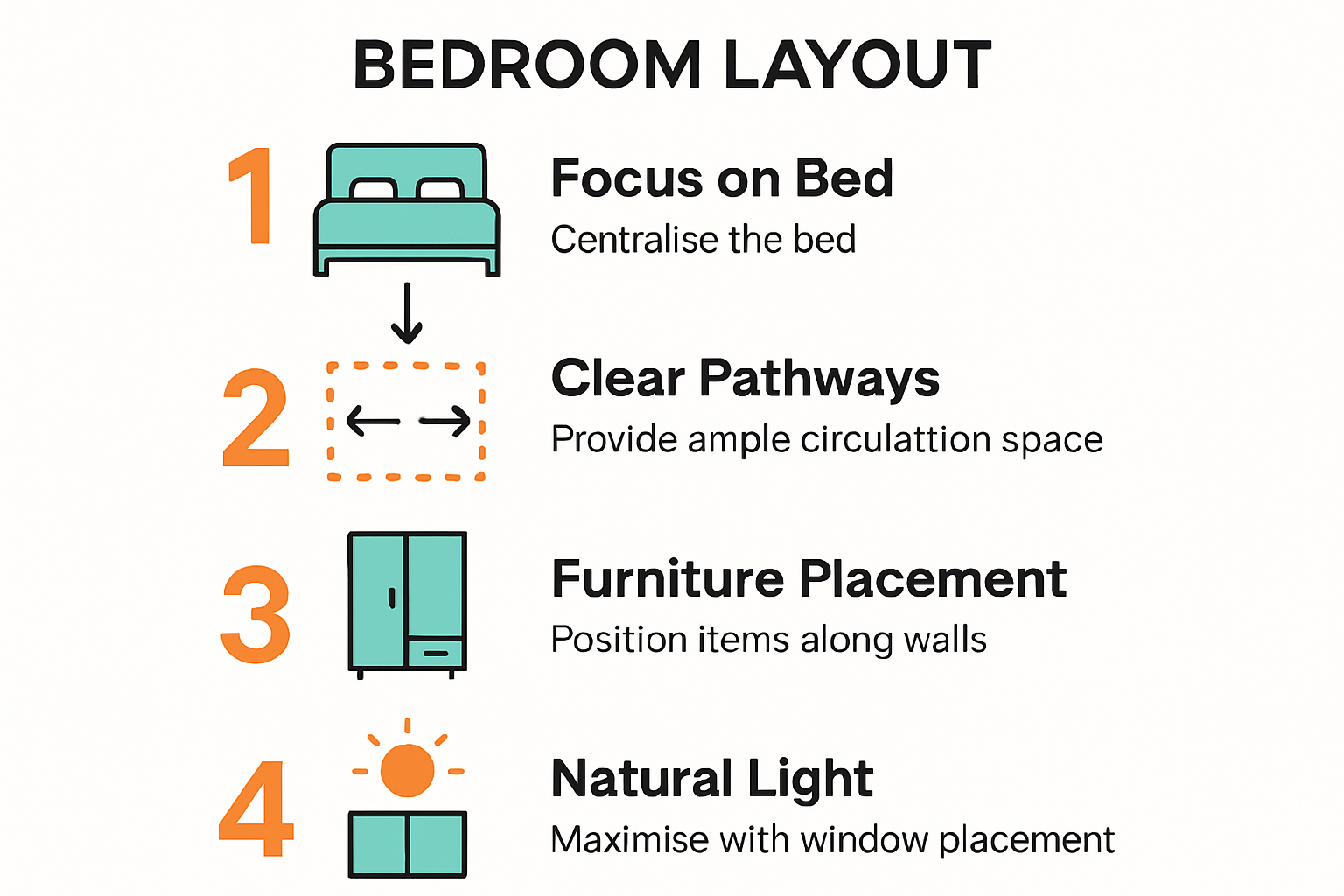
Evidence-based design approaches demonstrate that bedroom configuration directly impacts psychological comfort and accessibility. The strategic positioning of furniture influences not just physical movement but also emotional perception of the space.
Key spatial arrangement principles include:
The bed typically serves as the room’s centerpiece, and its placement can dramatically alter the room’s energy and functionality. Avoid positioning the bed directly in line with the door, which can create a sense of vulnerability and disrupt peaceful energy.
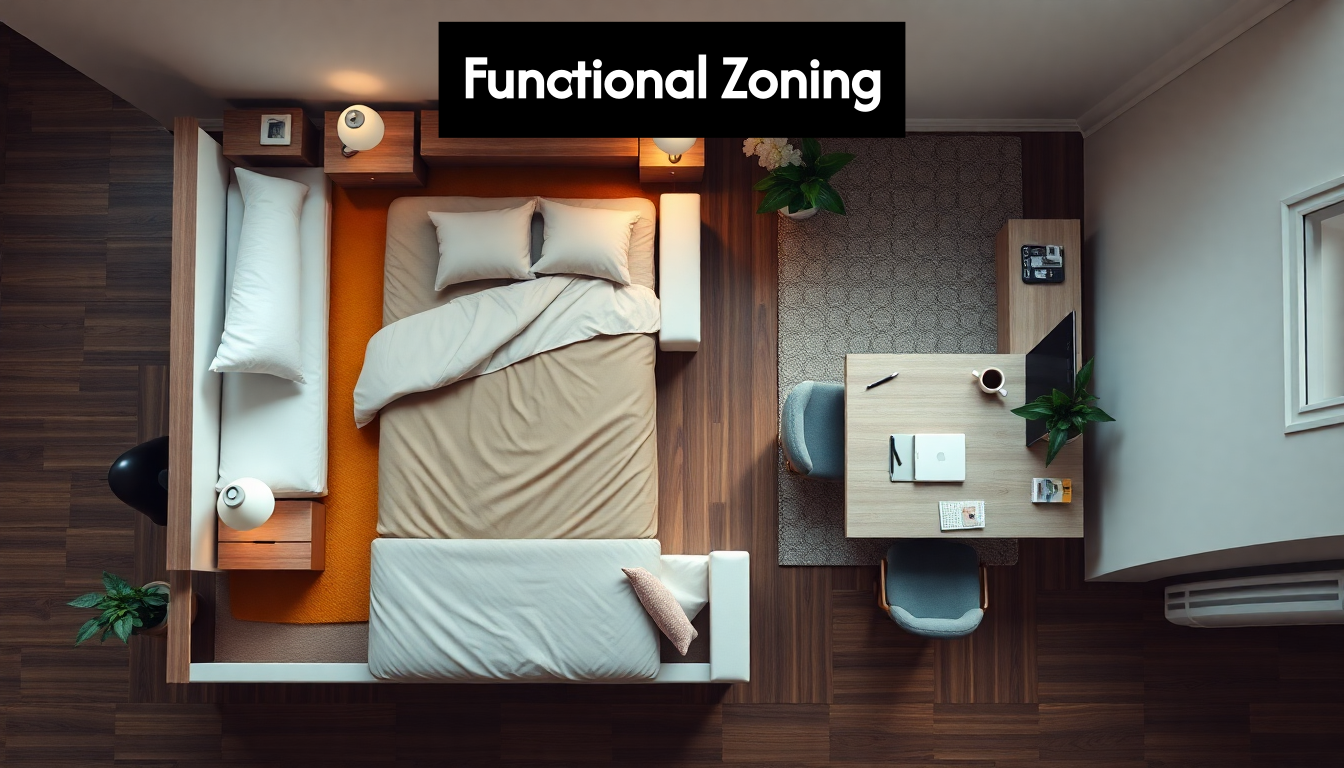
Ethnographic research by the UK Economic and Social Research Council highlights the importance of understanding how bedroom layout intersects with daily routines. Creating distinct functional zones helps optimize space utility and personal comfort.
Consider establishing these primary zones:
Each zone should flow seamlessly into the next, reducing friction in daily activities. For instance, place your wardrobe or dresser near the bed to simplify morning routines, and ensure adequate clearance for opening drawers and moving between furniture pieces.
Research by Lawson and Phiri emphasizes that bedroom layout significantly influences psychological well-being. The arrangement should foster a sense of security, privacy, and personal expression.
Consider these psychological design strategies:
Remember that bedroom layout is deeply personal. While guidelines provide valuable insights, ultimately, the most effective design is one that resonates with your individual lifestyle, comfort preferences, and aesthetic sensibilities. Take time to experiment, observe how you naturally move and interact within the space, and be willing to adjust your layout to suit your evolving needs.
Storage is the silent hero of bedroom furniture basics, transforming cluttered spaces into organised sanctuaries. UK research emphasises that effective storage solutions are crucial for supporting residents’ daily lives and mental well-being, making strategic storage planning an essential aspect of bedroom design.
Modern bedroom storage goes beyond traditional wardrobes and dressers. Innovative solutions maximise space efficiency while maintaining aesthetic appeal. Built-in storage systems offer seamless integration, eliminating visual clutter and creating a streamlined bedroom environment.
Key integrated storage approaches include:
These solutions capitalise on every available inch, transforming seemingly unused spaces into functional storage areas. Wall-mounted options, for instance, free up valuable floor space while providing ample storage for clothing, accessories, and personal items.
Contemporary housing research highlights the growing importance of flexible storage practices, particularly in compact UK living spaces. Multi-functional furniture has emerged as a critical strategy for maximising storage potential without compromising design aesthetics.
Consider these versatile storage options:
These pieces serve dual purposes, providing both storage and additional functionality. An ottoman bed, for example, offers substantial hidden storage while maintaining a sleek bedroom appearance.
Storage solutions should reflect individual lifestyle needs and personal preferences. Consider your specific requirements: Do you need more hanging space or drawer storage? Are you a minimalist or someone who collects numerous items?
Tips for personalised storage design:
Ultimately, the best storage solution is one that seamlessly integrates with your bedroom’s design, supports your daily activities, and contributes to a sense of calm and organisation.
The essential pieces of bedroom furniture typically include a bed frame, mattress, dresser or chest of drawers, nightstands, and a headboard. These items support both functionality and comfort in your sleeping space.
To choose the right size furniture, measure your room accurately and understand standard furniture dimensions. Ensure there’s enough space for movement, ideally leaving 60-75 cm around furniture, to maintain a comfortable flow in your bedroom.
For small bedrooms, consider multi-functional storage solutions like beds with built-in drawers, under-bed storage, ottoman-style benches, and vertical shelving. These options maximise space while maintaining an organised environment.
You can personalise your bedroom furniture by selecting pieces that reflect your style and comfort preferences. Options like modular units, colour choices, and unique decorative items help create a harmonious and tailored living space.
As you dive into the essentials of furnishing a bedroom, it’s clear that the right choices can mean the difference between a tranquil retreat and a cluttered, uncomfortable space. Feeling overwhelmed by the endless options and the importance of finding furniture that fits? You’re not alone. Many struggle to balance style, function, and comfort when creating their ideal bedroom haven.
At Number One Beds, we understand these challenges and are here to simplify your journey. Our carefully selected collection addresses your bedroom furniture pain points:
Now is the time to create the restful, stylish bedroom you’ve always dreamed of. Browse our collections at https://numberonebeds.com and take the first step towards a better night’s sleep!
