Navigating the world of UK bed sizes can be a real eye-opener. Did you know that there are five primary standard sizes, each tailored to different sleeping needs? But here’s the twist: many people overlook just how crucial choosing the right bed size is for a good night’s sleep. The reality is that the perfect bed can not only enhance your comfort but can also transform your entire bedroom experience.
| Takeaway | Explanation |
|---|---|
| Understand UK Bed Sizes | Familiarise yourself with the five primary UK bed sizes: single, small double, standard double, king size, and super king size, each with specific dimensions that cater to various sleeping needs. |
| Consider Room Layout | Ensure at least 75 cm of walking space around the bed to facilitate comfortable movement while choosing the bed size that fits your room dimensions and layout. |
| Assess Personal Sleeping Needs | Evaluate individual factors such as body height, sleeping style, and whether you sleep alone or with a partner to determine the right bed size for optimal comfort. |
| Factor in Budget and Investment | Recognise that larger beds come with higher costs for both initial purchase and bedding, and consider comfort and functionality over merely size if on a tighter budget. |
| Be Cautious with International Sizes | Understand the differences in UK vs international bed sizes to avoid compatibility issues when purchasing bedding or moving internationally. |
Navigating the world of bed sizes in the UK can feel like solving a complex puzzle. Unlike other countries, the United Kingdom has its own unique set of standard bed and mattress dimensions that can significantly impact your sleeping comfort and bedroom layout. Understanding these sizes is crucial for making informed decisions when purchasing beds, selecting mattresses, or designing bedroom spaces.
The United Kingdom typically recognises five primary bed sizes, each designed to accommodate different sleeping preferences and room configurations. These standard sizes include single, small double, standard double, king size, and super king size beds. Each size has specific dimensions that cater to various individual and couples’ needs.
Single Bed Dimensions:
Ideal for children’s rooms, guest rooms, or solo sleepers in compact spaces, single beds offer a practical sleeping solution. According to Which? Mattress Guide, these beds are perfect for average-sized individuals seeking a space-efficient sleeping option.
Double Bed Dimensions:
The most popular bed size in the UK, standard double beds provide comfortable sleeping space for couples. As My Bed Frames highlights, these dimensions offer a balanced compromise between personal space and room efficiency.
For those seeking more spacious sleeping arrangements, king and super king sizes offer additional width and length. Bensons for Beds notes that UK king-size beds measure 150 cm x 200 cm (5 feet x 6 feet 6 inches), providing extra room for taller individuals or couples who prefer more personal space.
Super king beds represent the pinnacle of bedroom luxury, measuring 180 cm x 200 cm (6 feet x 6 feet 6 inches). These expansive beds are perfect for master bedrooms, offering unparalleled sleeping comfort and space.
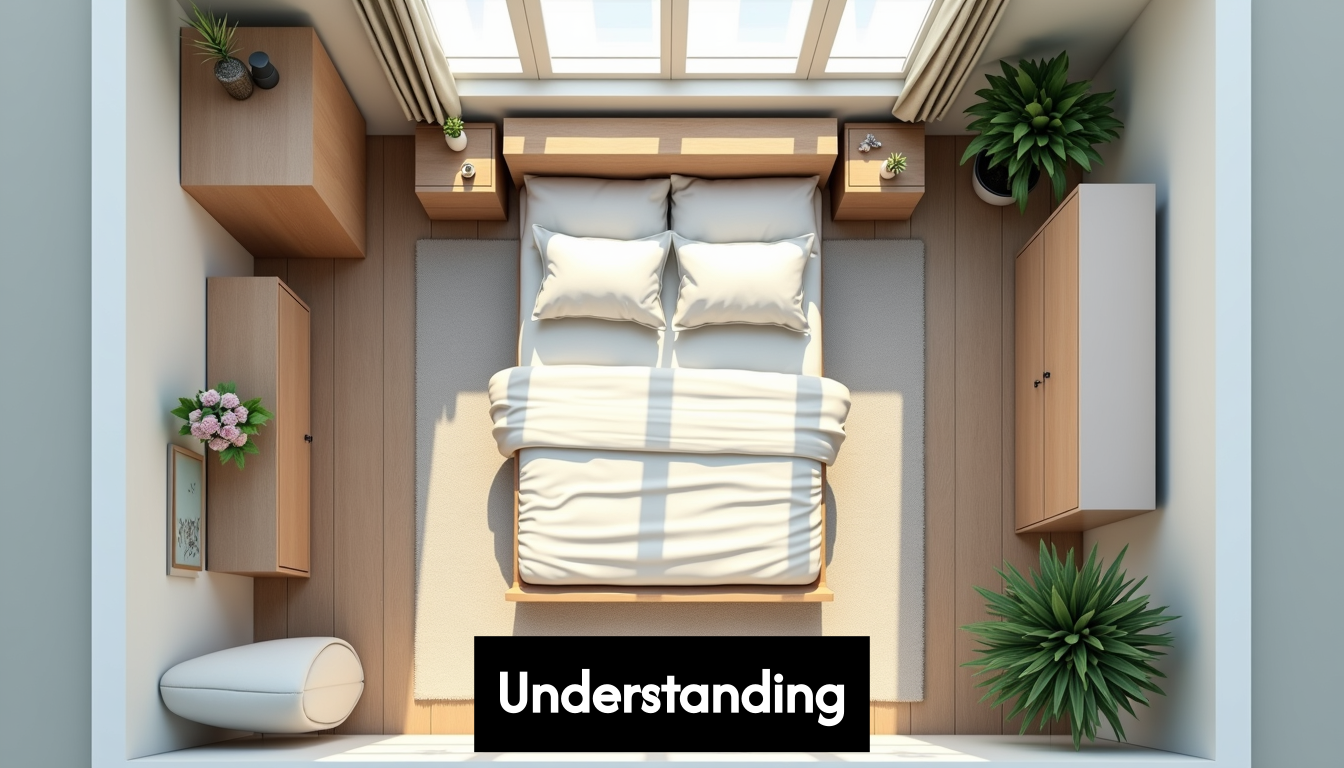
Selecting the right bed size involves more than just measuring room dimensions. Consider factors such as:
By understanding UK bed sizes, you can make an informed decision that balances comfort, practicality, and personal preference. Whether you’re furnishing a cosy flat or a spacious family home, the right bed size can transform your sleeping experience and contribute to better overall rest and well-being.
Bed sizes are far from universal, and the variations between UK and international sizing can create significant challenges for travellers, expats, and those purchasing bedding from global suppliers. Understanding these differences is crucial for making informed decisions about beds, mattresses, and accompanying accessories.
European countries demonstrate notable differences in bed sizing compared to the UK. According to Which? Mattress Guide, the standard European double bed (Euro double) measures 140 cm x 200 cm, which is slightly longer and wider than the UK standard double of 135 cm x 190 cm. This subtle variation can impact mattress, sheet, and bedding compatibility.
Key European Size Comparisons:
These differences might seem minimal, but they can create significant challenges when purchasing international bedding or moving between countries. Fitted sheets, mattress protectors, and duvet covers designed for one standard may not perfectly fit another.
North American bed sizes present even more substantial variations from UK standards. Sleep Foundation highlights that US bed sizes are generally larger and have different nomenclature. For instance, a US king size bed measures approximately 193 cm x 203 cm, which is substantially larger than the UK king size of 150 cm x 200 cm.
Typical North American Bed Sizes:
These significant size differences mean that travellers or international residents must be cautious when purchasing bedding or furniture. A mattress or bed frame from one region may not fit properly in another, potentially leading to uncomfortable sleeping arrangements or additional expenses.
When navigating international bed sizes, consider these practical strategies:
Understanding these international variations helps consumers make informed decisions. Whether you’re furnishing a home abroad, purchasing international bedding, or simply curious about global sleeping standards, recognizing these nuanced differences can save time, money, and potential frustration.
Selecting the perfect bed size is not just about filling space—it’s about creating a personalised sleeping sanctuary that supports your physical and lifestyle needs. The right bed can dramatically improve sleep quality, enhance bedroom aesthetics, and contribute to overall well-being.
Your ideal bed size depends on multiple factors beyond simple room dimensions. The Bed Consultant emphasises that individual sleeping habits, body type, and personal comfort preferences play crucial roles in determining the most suitable bed size.
Key Personal Considerations Никола:
For instance, if you’re taller than average (over 6 feet), a standard double might feel restrictive. In such cases, a king or super king size provides essential extra length and width for comfortable, unrestricted sleep.
Beyond personal comfort, room layout significantly influences bed size selection. Interior Design Experts recommend leaving at least 75 cm of walking space around the bed for comfortable movement.
Bed Size Space Recommendations:
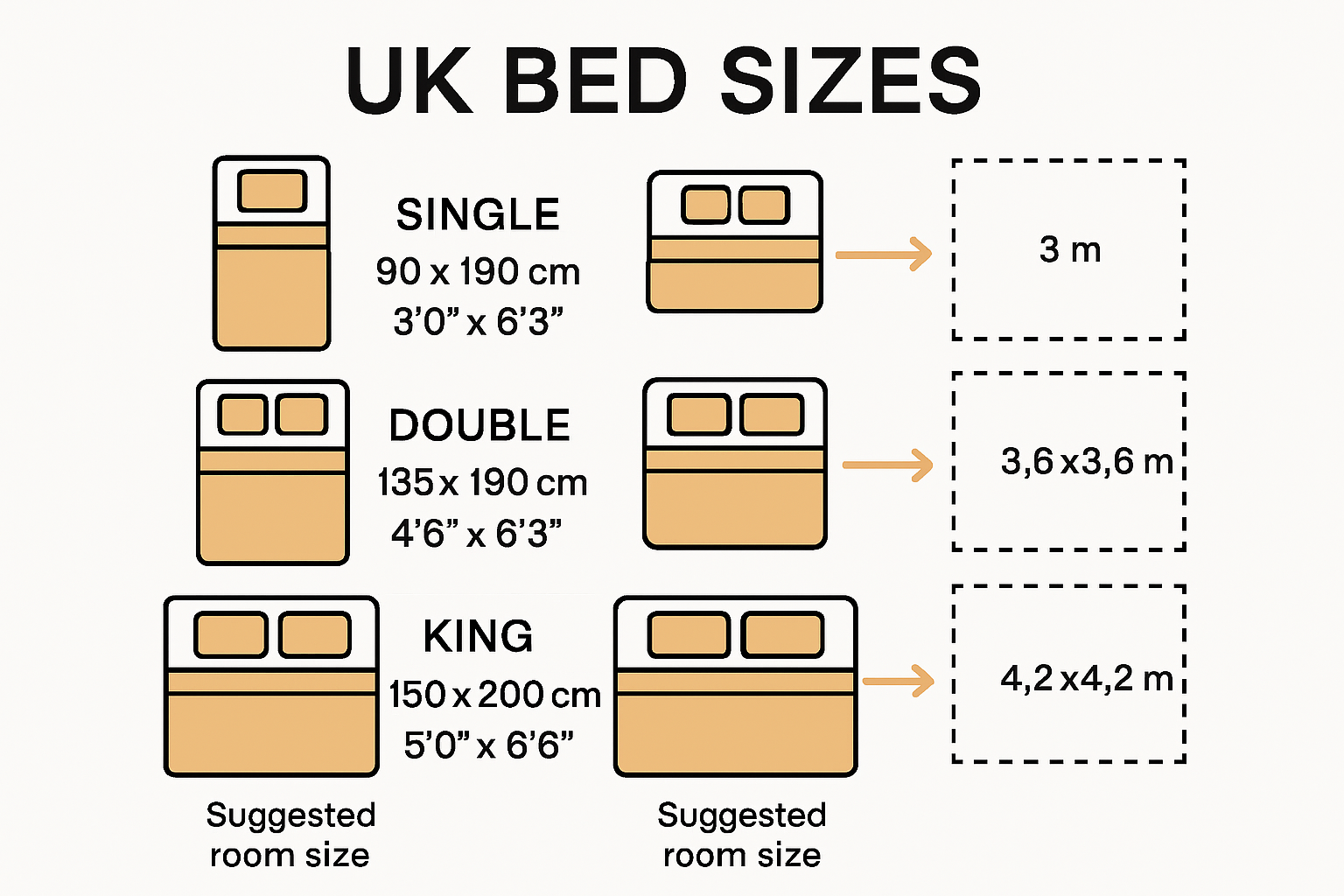
Remember that not all manufacturers follow identical sizing standards. Always measure your room and check specific product dimensions before purchasing.
Your bed is more than furniture—it’s an investment in health and comfort. While larger beds offer more sleeping space, they also come with higher price tags for the bed frame, mattress, and accompanying bedding.
Consider these financial aspects:
Practical tip: If budget is a constraint, prioritise comfort and room functionality over size. A well-chosen smaller bed that fits perfectly is far superior to an oversized bed that overwhelms your space.
Ultimately, choosing the right bed size is a personal journey. By carefully considering your physical needs, room layout, and budget, you can create a sleeping environment that not only looks great but feels incredibly comfortable. Take your time, measure carefully, and remember—the best bed is the one that helps you wake up feeling refreshed and ready to tackle the day.
The standard UK bed sizes include single (90 cm x 190 cm), small double (120 cm x 190 cm), standard double (135 cm x 190 cm), king size (150 cm x 200 cm), and super king size (180 cm x 200 cm).
UK bed sizes differ from European and North American sizes. For example, a UK double is smaller than a European double (135 cm x 190 cm vs. 140 cm x 200 cm) and a US king is larger than a UK king (193 cm x 203 cm vs. 150 cm x 200 cm).
To choose the right bed size, consider your personal sleeping habits, room layout, and the amount of space you need to move around. Leave at least 75 cm of walking space around the bed for comfort.
When buying a larger bed, consider your budget for the bed frame and mattress, the cost of bedding, and how much space you have in your room. A larger bed may enhance comfort but also comes with higher expenses.
Choosing the right bed size can be a perplexing challenge, especially with the array of options available in the UK market. As the article highlights, picking the perfect size—whether it’s a snug single for a children’s room or a lavish super king for your master suite—significantly impacts your sleep quality and bedroom aesthetics. At Number One Beds, we recognise that a great bed is about more than just dimensions; it’s about discovering the right fit for your unique lifestyle.
Transform your sleep space today with our extensive range of beds and mattresses specifically designed to enhance comfort and style. From space-saving ottoman beds to elegant divan options, we cater to every design preference and practical need, ensuring you never have to compromise. Don’t wait—visit https://numberonebeds.com now and find the perfect bed that suits your needs, paving the way for restful nights and rejuvenated mornings. Your dream bedroom awaits!
