
Memory foam mattresses have become a household name in the quest for better sleep. They offer an impressive pressure relief capability that can promote spinal alignment and ease discomfort for many sleepers. But here’s the kicker: despite their popularity, they are not the perfect fit for everyone. While memory foam can envelop your body in comfort, it might also leave you feeling too warm at night. Discovering whether this innovative material is really the best choice for your sleep needs can lead to revolutionary changes in how you rest.
| Takeaway | Explanation |
|---|---|
| Pressure Relief | Memory foam excels at redistributing pressure, promoting spinal alignment and reducing discomfort in pressure-points, particularly beneficial for individuals with chronic pain. |
| Motion Isolation | The density of memory foam helps absorb movement, ensuring minimal disturbance for partners or light sleepers when one shifts or gets out of bed. |
| Hypoallergenic Properties | The dense structure of memory foam offers resistance to dust mites and common allergens, making it ideal for allergy sufferers and those with respiratory sensitivities. |
| Heat Retention Concerns | Memory foam tend to retain heat, which can be uncomfortable for warm sleepers; opting for models with cooling technologies can mitigate this issue. |
| Personal Compatibility | Selecting a memory foam mattress should take into account your sleep position, body type, and health considerations to ensure it meets your specific comfort and support needs. |
Memory foam is a remarkable material that transforms how we experience comfort and support during sleep. Unlike traditional mattress materials, memory foam possesses unique viscoelastic properties that respond dynamically to body heat and pressure, creating a personalized sleeping experience.
At its core, memory foam is a specialized polyurethane material engineered with extraordinary molecular characteristics. When you lie down, the foam’s temperature-sensitive composition begins an intriguing transformation. As your body heat reaches approximately 37°C, the foam softens and becomes more malleable, allowing it to precisely contour to your body’s unique shape and weight distribution.
According to research published in PLOS One, memory foam can increase body contact area and reduce mechanical pressure by adapting to individual body curves. This means the mattress doesn’t just support you—it almost seems to embrace your body’s specific landscape, providing customized comfort that traditional mattresses cannot match.
The true magic of memory foam lies in its pressure redistribution capabilities. When you apply weight and warmth to the surface, the foam’s molecules temporarily realign, creating a unique “molding” effect. This process allows the mattress to spread your body weight more evenly, which can significantly reduce pressure points that cause discomfort and potential joint strain.
Healthcare studies have demonstrated that this pressure redistribution is so effective that memory foam surfaces are commonly used in medical settings to prevent pressure ulcers. By minimizing concentrated pressure areas, memory foam helps maintain better blood circulation and reduces the risk of developing painful pressure points during extended periods of rest.
What sets memory foam apart is its distinctive “slow recovery” trait. After you move or change position, the foam doesn’t immediately spring back to its original shape. Instead, it gradually returns, maintaining the impression of your body for several seconds. This characteristic is why it’s called “memory” foam—it literally remembers and responds to your body’s unique contours.
This slow recovery isn’t just a fascinating physical property; it provides tangible benefits. For individuals with back pain or joint issues, the gradual response means less sudden movement and more consistent support. The foam adapts to your body’s shifting positions throughout the night, providing continuous, personalized comfort that traditional mattresses cannot replicate.
Memory foam’s molecular design represents a significant advancement in sleep technology. By understanding how it works—responding to heat, redistributing pressure, and maintaining a memory of your body’s shape—you can appreciate why this material has revolutionized the way we think about mattress comfort and support.
Memory foam mattresses have rapidly transformed the sleep industry, offering a unique blend of comfort and support that appeals to a wide range of sleepers. However, like any product, they come with distinct advantages and potential drawbacks that warrant careful consideration before making a purchase.
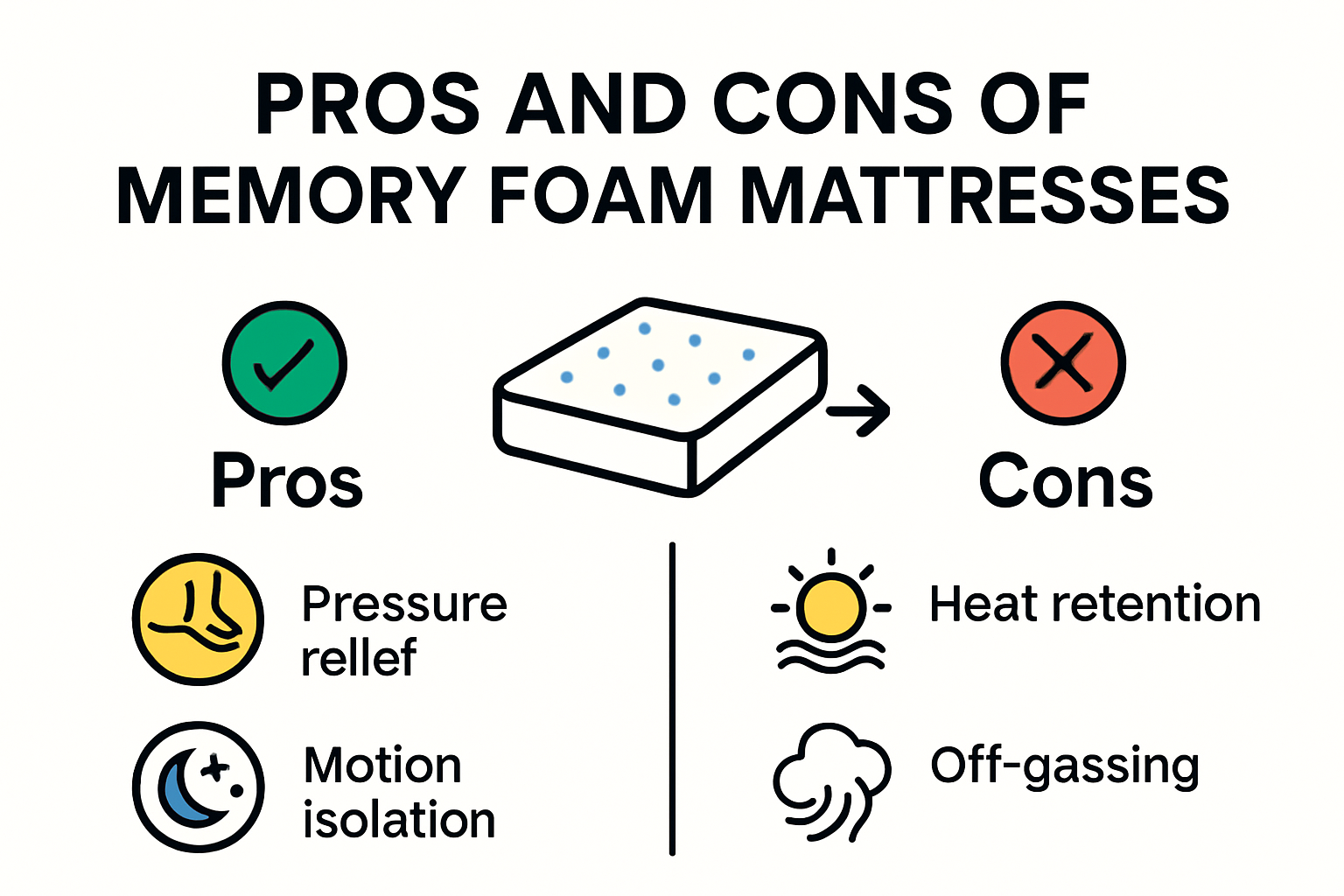
One of the most significant benefits of memory foam mattresses is their exceptional pressure relief capability. Benson’s for Beds research highlights that these mattresses excel at promoting spinal alignment and reducing discomfort in pressure-prone areas such as hips, neck, and shoulders. This makes them particularly beneficial for individuals experiencing chronic pain or those seeking targeted support during sleep.
Another remarkable advantage is the mattress’s motion isolation properties. For couples or light sleepers, memory foam’s ability to absorb movement means that when one partner shifts or gets out of bed, the other remains undisturbed. This feature can significantly improve overall sleep quality and reduce nighttime disturbances.
Moreover, memory foam mattresses offer hypoallergenic benefits. Their dense structure makes them less susceptible to dust mite accumulation and other common allergens. Research indicates that this characteristic can be particularly advantageous for individuals with allergies or respiratory sensitivities, providing a cleaner sleeping environment.
Despite their numerous advantages, memory foam mattresses are not without limitations. One of the most frequently cited concerns is heat retention. Levitex sleep experts note that the dense structure of memory foam can trap body heat, potentially causing discomfort for individuals who naturally sleep warm. Some manufacturers have addressed this issue by incorporating cooling technologies like gel-infused foam or breathable cover materials.
Another potential drawback is the initial off-gassing phenomenon. When new, memory foam mattresses can emit a distinct chemical odour due to their manufacturing process. While this smell typically dissipates within a few days to weeks, some individuals might find it initially unpleasant. Ensuring proper room ventilation can help mitigate this temporary issue.
Choosing a memory foam mattress is a personal decision that depends on individual sleep preferences, body type, and specific health considerations. For those with joint pain, back issues, or who value personalized support, memory foam can be an excellent investment. However, individuals who sleep hot or prefer a more traditional mattress feel might want to explore alternative options or seek out memory foam models with advanced cooling technologies.
To maximize the benefits and minimize potential drawbacks, consider factors such as foam density, mattress thickness, and additional features like cooling technologies. Some modern memory foam mattresses now incorporate multiple layers with different properties, offering a more balanced and comfortable sleeping experience.
Ultimately, memory foam mattresses represent a sophisticated sleep solution that caters to diverse needs. By understanding their pros and cons, you can make an informed decision that ensures restful, comfortable nights tailored to your unique requirements.
Determining whether a memory foam mattress suits your individual needs involves carefully evaluating your sleeping habits, physical health, and personal comfort preferences. Not every mattress works universally, and understanding your specific requirements is crucial in making an informed decision.
Your sleeping position and body type play significant roles in determining mattress compatibility. Sleep Foundation research suggests that side sleepers and individuals with joint pain often benefit most from memory foam’s contouring properties. The material’s ability to redistribute pressure can provide exceptional relief for those experiencing chronic pain or requiring targeted support.
For instance, people weighing between 59-104 kg typically find memory foam most comfortable, as the material can effectively adapt to their body’s natural curves. Lighter individuals might find the foam too dense, while heavier sleepers could experience insufficient support. Understanding your body’s unique characteristics becomes paramount in selecting the right mattress.
Memory foam mattresses offer remarkable benefits for certain health conditions. Bedstar’s comprehensive guide highlights that individuals with back problems can experience significant comfort from the mattress’s pressure-redistributing qualities. However, potential drawbacks exist that warrant careful consideration.
Heat retention remains a notable concern for some sleepers. Traditional memory foam tends to trap body heat, potentially causing discomfort for those who naturally sleep warm. Manufacturers have responded by developing advanced cooling technologies like gel-infused foams and breathable cover materials. If you’re a hot sleeper, seeking mattresses with these cooling innovations becomes crucial.
Beyond physical considerations, Beds on Legs research emphasizes the hypoallergenic nature of memory foam as a significant advantage. For individuals with allergies or respiratory sensitivities, these mattresses offer a cleaner sleeping environment by resisting dust mites and allergen accumulation.
When selecting a memory foam mattress, consider factors such as:
It’s advisable to test mattresses in-person when possible, as personal comfort varies dramatically. Many retailers offer sleep trials, allowing you to experience the mattress in your home environment before making a final commitment.
Ultimately, a memory foam mattress represents a sophisticated sleep solution tailored to individual needs. By carefully evaluating your specific requirements—sleep position, body type, health conditions, and comfort preferences—you can determine whether this innovative sleep technology aligns with your personal wellness goals. Remember, the perfect mattress is not about universal standards but about meeting your unique sleep needs.
Memory foam mattresses offer several benefits, including exceptional pressure relief, motion isolation, hypoallergenic properties, and tailored support for different body types and sleep positions.
Yes, traditional memory foam can retain heat, which may be uncomfortable for some sleepers. However, many manufacturers now incorporate cooling technologies, such as gel-infused foam or breathable covers, to mitigate heat retention issues.
With proper care, memory foam mattresses typically last between 7 to 10 years. Factors such as the quality of materials and usage can influence their lifespan.
Memory foam mattresses tend to be particularly beneficial for side sleepers and those with joint pain due to their contouring properties. However, it’s essential to consider your body type and personal comfort preferences when choosing a mattress.
Navigating the world of memory foam mattresses can feel overwhelming, especially when considering factors like heat retention and pressure relief. Are you tired of waking up feeling hot and uncomfortable, or maybe you’ve tried countless mattresses without finding the perfect fit? With Number One Beds, you don’t have to compromise on comfort or quality. Our extensive range of mattresses includes a variety of materials, including top-rated memory foam options designed to provide tailored support, optimal pressure relief, and advanced cooling technologies to ensure a sweat-free slumber.

Now is the time to transform your sleep experience! Whether you’re looking for a memory foam mattress that’s perfect for your sleep profile or one that fits snugly into your bedroom aesthetic, we have it all. Explore our selection today and discover how a premium mattress from Number One Beds can help you reclaim restful nights. Don’t delay—your perfect night’s sleep awaits!
