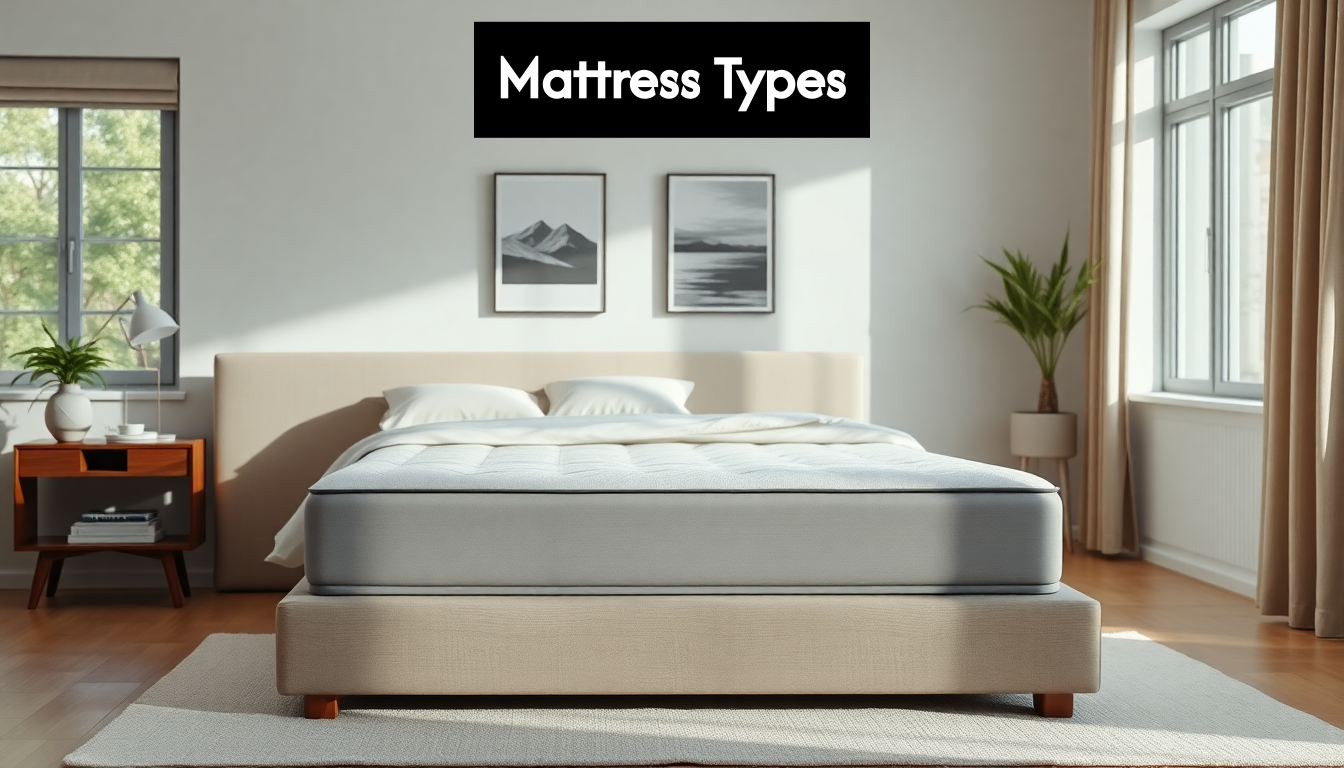
Mattress shopping has never been more essential in our pursuit of a good night’s sleep. In 2025, hybrid mattresses represent a staggering 32% of all new mattress purchases, showcasing their rising popularity. But here’s the twist: many people still overlook the incredible health benefits that the right mattress can provide. A mattress is not just a basic purchase; it can be a game changer for your wellbeing.
| Takeaway | Explanation |
|---|---|
| Assess Your Sleep Position | Your primary sleep position influences which mattress type will best support you; side sleepers need softer surfaces, while back and stomach sleepers benefit from medium-firm to firm options. |
| Consider Body Type | Weight and body composition affect mattress comfort; lighter individuals prefer softer mattresses, while heavier individuals typically require firmer support to maintain spinal alignment. |
| Test Before Committing | Always test mattresses in your typical sleeping position for at least 10-15 minutes to evaluate comfort and pressure relief; many companies offer extended home trials for further testing. |
| Durability Matters | Consider the expected lifespan of a mattress relative to its price; natural latex mattresses last the longest but come with a higher upfront cost, while lower-quality models may require replacement sooner. |
| Prioritise Special Requirements | If you have specific needs, such as allergies or sleep temperature concerns, choose mattresses with hypoallergenic materials or cooling technologies to improve your sleep quality. |
Understanding the various mattress styles and materials available is crucial when searching for the best mattress types. Modern sleep technology has evolved significantly, offering a diverse range of options to suit different sleep preferences, body types, and health requirements.
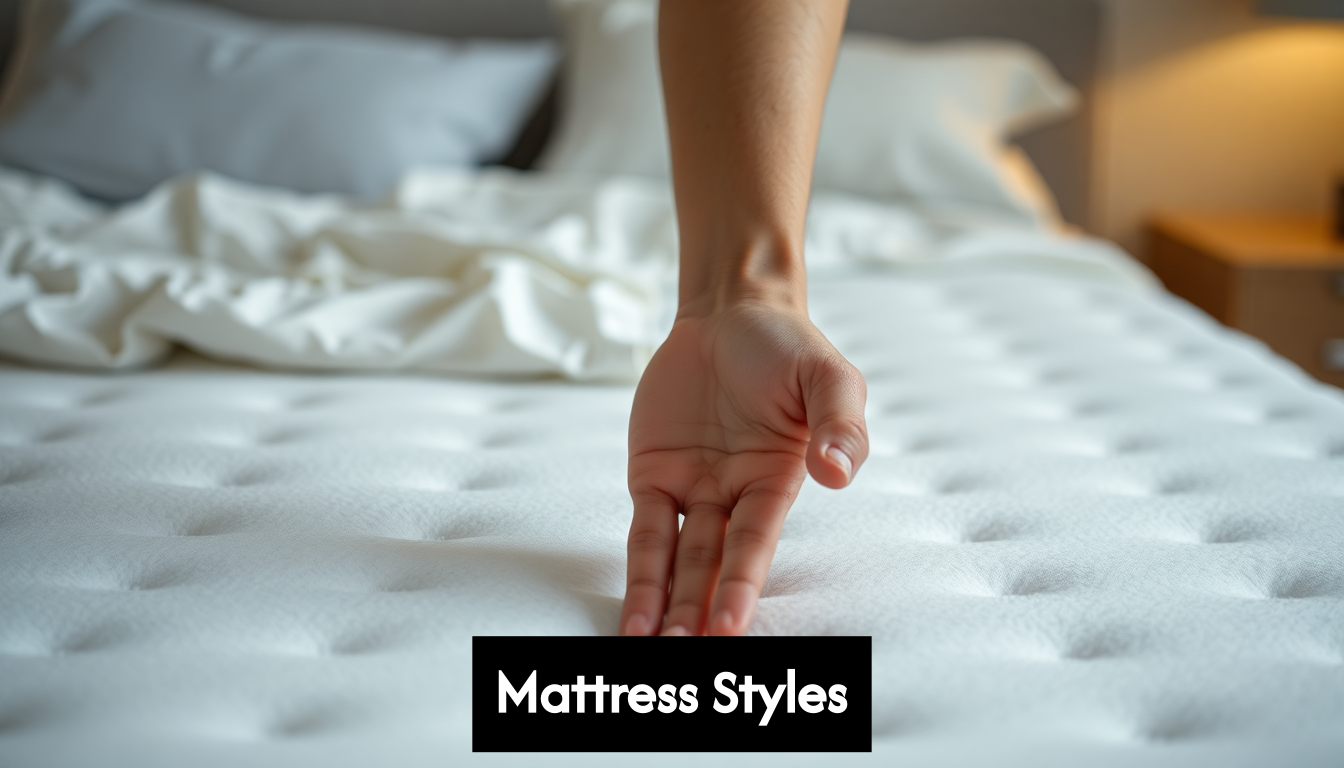
Memory foam mattresses have gained immense popularity for their exceptional pressure relief and body-contouring properties. These mattresses contain viscoelastic foam that responds to your body heat, softening and moulding precisely to your shape.
The pressure-relieving qualities of memory foam make it particularly beneficial for side sleepers and those with joint pain. When you lie on memory foam, it distributes your weight evenly, reducing pressure points and helping to alleviate discomfort.
However, traditional memory foam had a reputation for trapping heat. Modern versions have addressed this concern with innovations like gel infusion, open-cell structure, and plant-based formulations. According to Consumer Reports, mattress technology has evolved to include these advanced materials to cater to different comfort and health needs.
Innerspring mattresses are the traditional option that many grew up with. They use a support system of metal coils or springs covered with layers of padding. The main advantages include excellent airflow, a responsive bounce, and typically lower price points compared to other options.
Modern innerspring mattresses come with various coil types and configurations:
Typically, the higher the coil count, the better the support and durability. However, quality matters as much as quantity.
Hybrid mattresses represent the best of both worlds by combining innerspring coils with foam or latex layers. This design aims to provide the support and airflow of springs with the comfort and pressure relief of foam.
According to data from NapLab, hybrid mattresses now account for an estimated 32% of all new mattress purchases in 2025, showing their growing popularity. Their rise can be attributed to their versatility, as they typically work well for various sleep positions and body types.
As Dr. Raj Dasgupta, who is quadruple-board certified in pulmonary, sleep, internal, and critical care medicine, explains: “If you’ve got a poorly constructed mattress, or one that doesn’t fit your body type or sleep style, you stand to experience more discomfort than necessary.” This highlights why hybrids, with their adaptability, have become such a popular choice.
Latex mattresses offer a unique feel that’s both responsive and supportive. Natural latex is derived from rubber tree sap and processed using either the Dunlop or Talalay method, each producing slightly different feels.
Latex provides excellent support while gently conforming to the body. It naturally sleeps cooler than memory foam and offers remarkable durability—many high-quality latex mattresses last 12-15 years or more.
For eco-conscious consumers, natural latex mattresses represent one of the most sustainable options available. Many models are certified organic and made without harmful chemicals, appealing to those seeking healthier sleep environments.
One common misconception is that firmer mattresses are always better for back support. However, according to Consumer Reports, optimal support actually depends on a sleeper’s body type and sleep position. Excessively firm mattresses may cause pressure points and misalignment for some sleepers.
Choosing the right mattress type isn’t just about comfort—it’s a significant health decision that can impact your overall wellbeing. The best mattress types provide specific health benefits tailored to your unique needs, from improving sleep quality to addressing chronic pain issues.
Proper spinal alignment during sleep is essential for preventing and alleviating back pain. When your spine maintains its natural curve throughout the night, you’re less likely to wake up with stiffness or discomfort. Different mattress types support spinal health in various ways.
Medium-firm to firm mattresses generally provide better back support for back and stomach sleepers by preventing excessive sinking. Side sleepers, however, typically need a slightly softer surface that allows shoulders and hips to sink in just enough to maintain spinal alignment.
According to the Consumer Reports Testing Team, “A great mattress should help keep your spine aligned throughout the night. The right support is essential, and its importance shouldn’t be underestimated when choosing a mattress.” Consumer Reports emphasizes that mattress firmness and support are distinct concepts—firmness refers to the initial feel of the surface, while support addresses the mattress’s ability to keep your spine properly aligned.
Pressure points occur where your body presses against the mattress surface, particularly at heavier or bonier areas like shoulders, hips, and knees. Excessive pressure can cause pain, numbness and disrupted circulation, ultimately leading to tossing and turning.
Memory foam and latex mattresses excel at pressure relief by contouring to your body’s unique shape. Hybrid mattresses with quilted or pillow tops also offer good pressure point relief while maintaining support. Research shows that pressure mapping technology now helps manufacturers design mattresses that distribute weight more evenly across the sleeping surface.
For those suffering from joint conditions like arthritis, the pressure-relieving qualities of memory foam or latex can make a tremendous difference in sleep quality and pain management. Many medical professionals recommend these mattress types for patients with chronic pain conditions.
If you share your bed with a partner, pet, or child, motion isolation becomes an important health consideration. Being disturbed by movement during the night fragments your sleep cycle, potentially preventing you from reaching the restorative deep sleep stages your body needs.
Modern mattress technologies have made significant advances in this area. Memory foam excels at absorbing movement, while pocketed coil systems in hybrids and innersprings isolate motion far better than traditional connected coil systems. According to Sleepopolis, objective testing of mattresses now includes measures like motion isolation using seismometers, providing scientific evaluations for consumers concerned about partner disturbance.
Body temperature regulation plays a crucial role in sleep quality. Overheating during sleep disrupts your sleep cycle and can lead to restlessness and insomnia. Different mattress materials have varying temperature properties that can help or hinder your body’s natural cooling processes during sleep.
A common misconception is that all memory foam mattresses sleep hot. However, Sleepopolis notes that newer memory foam and hybrid beds incorporate cooling gels, ventilated foams, and moisture-wicking fabrics that effectively address overheating concerns.
Innerspring and hybrid mattresses naturally allow for better airflow through their coil systems. Latex also tends to sleep cooler than traditional memory foam. For those who struggle with night sweats or overheating, mattresses with cooling technologies like phase-change materials or enhanced breathability can significantly improve sleep quality.
For the millions who suffer from allergies or asthma, mattress composition greatly impacts respiratory health during sleep. Dust mites, mould, and other allergens can accumulate in mattresses over time, triggering symptoms and reducing sleep quality.
Latex mattresses offer natural resistance to dust mites and mould, making them an excellent choice for allergy sufferers. Many modern mattresses also feature removable, washable covers that help manage allergen buildup. Additionally, materials like certified organic cotton and wool provide natural barriers against common allergens while avoiding the potentially irritating chemicals found in some synthetic materials.
Investing in a mattress with hypoallergenic properties can significantly improve respiratory health and sleep quality, particularly for those with existing allergies or sensitivities. When researching the best mattress types, these health considerations should factor prominently in your decision-making process.

Finding the best mattress type for your needs involves considering several personal factors. With so many options available, making the right choice can seem overwhelming. Here’s a practical approach to narrow down your options and identify the mattress that will give you the best night’s sleep.
Your primary sleep position significantly influences which mattress type will work best for you. Each position creates different pressure points and alignment needs.
Side sleepers typically need a softer surface that allows shoulders and hips to sink in slightly while supporting the waist. Medium-soft to medium mattresses, particularly those made of memory foam or hybrid constructions, often work well. The gentle contouring helps maintain spinal alignment while relieving pressure on shoulders and hips.
Back sleepers generally benefit from medium-firm to firm mattresses that provide ample support for the lower back. Hybrid, latex, and high-quality innerspring mattresses typically offer the right balance of support and comfort, preventing the hips from sinking too deeply while supporting the natural curve of the spine.
Stomach sleepers usually require firm support to prevent the midsection from sinking in too far, which can cause back pain by arching the spine unnaturally. Firm innerspring, hybrid, or latex mattresses often provide the necessary support for this position.
Combination sleepers who change positions throughout the night need a responsive mattress that adapts quickly to movement. Latex and certain hybrid designs offer the versatility needed to accommodate position changes while maintaining comfort and support.
Your weight and body composition also play a crucial role in determining the ideal mattress type. According to NapLab Testing Experts, “Mattress comfort is personal, but advances in material science allow us to better predict long-term durability and support—making it easier for consumers to choose based on evidence, not just word-of-mouth.”
Lighter individuals (under 60kg) often find softer mattresses more comfortable because they don’t exert enough pressure to sink into firmer surfaces. Medium-soft mattresses typically provide adequate support while contouring appropriately.
Average-weight sleepers (60-105kg) generally have more flexibility in choosing mattress firmness, with medium to medium-firm options typically offering the best balance of comfort and support.
Heavier individuals (over 105kg) usually need firmer mattresses with enhanced support systems to prevent excessive sinking and ensure proper spinal alignment. High-density foams, reinforced coil systems, and latex materials often provide the necessary durability and support.
No matter how much research you do, nothing replaces the experience of actually lying on a mattress. A 2024 survey found that over 60% of consumers who switched to a new mattress reported a significant improvement in sleep satisfaction within two weeks. This highlights how important finding the right match truly is.
When testing a mattress in a showroom:
Many reputable companies now offer extended home trials, allowing you to test a mattress in your actual sleep environment for 100 nights or more. This approach makes it much easier to determine if a mattress truly meets your needs over time.
Many people have specific needs that influence their mattress choice. If you have back pain, a medium-firm mattress with good support often provides the best results. For joint pain or arthritis, pressure-relieving memory foam or latex may offer relief.
If you tend to sleep hot, look for mattresses with cooling technologies like gel infusions, phase change materials, or naturally cooler materials like latex or innerspring systems with good airflow.
For those with allergies, hypoallergenic materials like natural latex or mattresses with removable, washable covers can help manage symptoms. Consumer Reports notes that many mattresses now avoid the use of fiberglass and other irritating materials in response to consumer health concerns.
A mattress is a significant investment, and its longevity matters. Premium mattresses can retain more than 90% of their original support after simulated 8 years of use, while lower-quality models may drop below 70%, according to testing data from Consumer Reports.
When evaluating value, consider the mattress’s expected lifespan relative to its price. Natural latex mattresses typically last longest (12-15+ years) but come with higher price tags. Memory foam and high-quality hybrids generally offer 8-10 years of good performance, while budget innerspring mattresses might need replacement after 5-7 years.
Always check warranty terms, but remember that comfort guarantees are often more practical than warranties that only cover manufacturing defects. The best mattress types combine quality materials, thoughtful design, and construction methods that ensure they’ll provide comfortable support for years to come.
Different sleeping positions require specific mattress types for optimal support. Side sleepers benefit from softer mattresses that relieve pressure on the shoulders and hips, while back sleepers typically need medium-firm mattresses for proper spinal alignment. Stomach sleepers generally require firmer mattresses to prevent sinking. Combination sleepers should look for responsive mattresses that accommodate multiple positions.
Your body type influences mattress comfort. Lighter individuals (under 60kg) often prefer softer mattresses, while average-weight sleepers (60-105kg) can choose from various firmness levels. Heavier individuals (over 105kg) usually need firmer mattresses with enhanced support to prevent excessive sinking and ensure proper spinal alignment.
A good mattress can improve sleep quality, support spinal alignment, relieve pressure points, isolate motion for couples, regulate temperature, and manage allergens. Investing in the right mattress can help alleviate chronic pain and enhance overall wellbeing.
It’s important to test a mattress in-store or through a home trial. When testing, lie in your usual sleep position for at least 10-15 minutes, pay attention to pressure points and comfort, and consider how easy it is to change positions. Many companies now offer extended home trials, allowing you to assess comfort in your actual sleep environment.
Finding the perfect mattress can feel like navigating a maze—with various materials, firmness levels, and sleep-specific needs to consider, it’s easy to become overwhelmed. You’ve read about the incredible benefits that the right mattress can provide for your health, from spinal alignment to pressure relief. But where do you start?
At Number One Beds, we specialise in connecting you with the ideal mattress solutions tailored to your unique sleep position and body type.
Why settle for restless nights when a peaceful, refreshing sleep is just a click away? Explore our extensive range of mattresses that cater to your sleeping preferences—choose from memory foam, pocket sprung, or even orthopaedic options. With our variety of bed frames and accessories, you can create a bedroom that is not only stylish but also a sanctuary for rejuvenation.
👉 Visit Number One Beds now to discover your perfect mattress and elevate your sleep game today! Act fast—your optimal rest awaits!
