How to Choose the Perfect Wooden Headboard for Your Bedroom

Posted in headboards By Number One Beds on 10th Sep 2024

joseph greve xdk7tfhp6ku unsplash
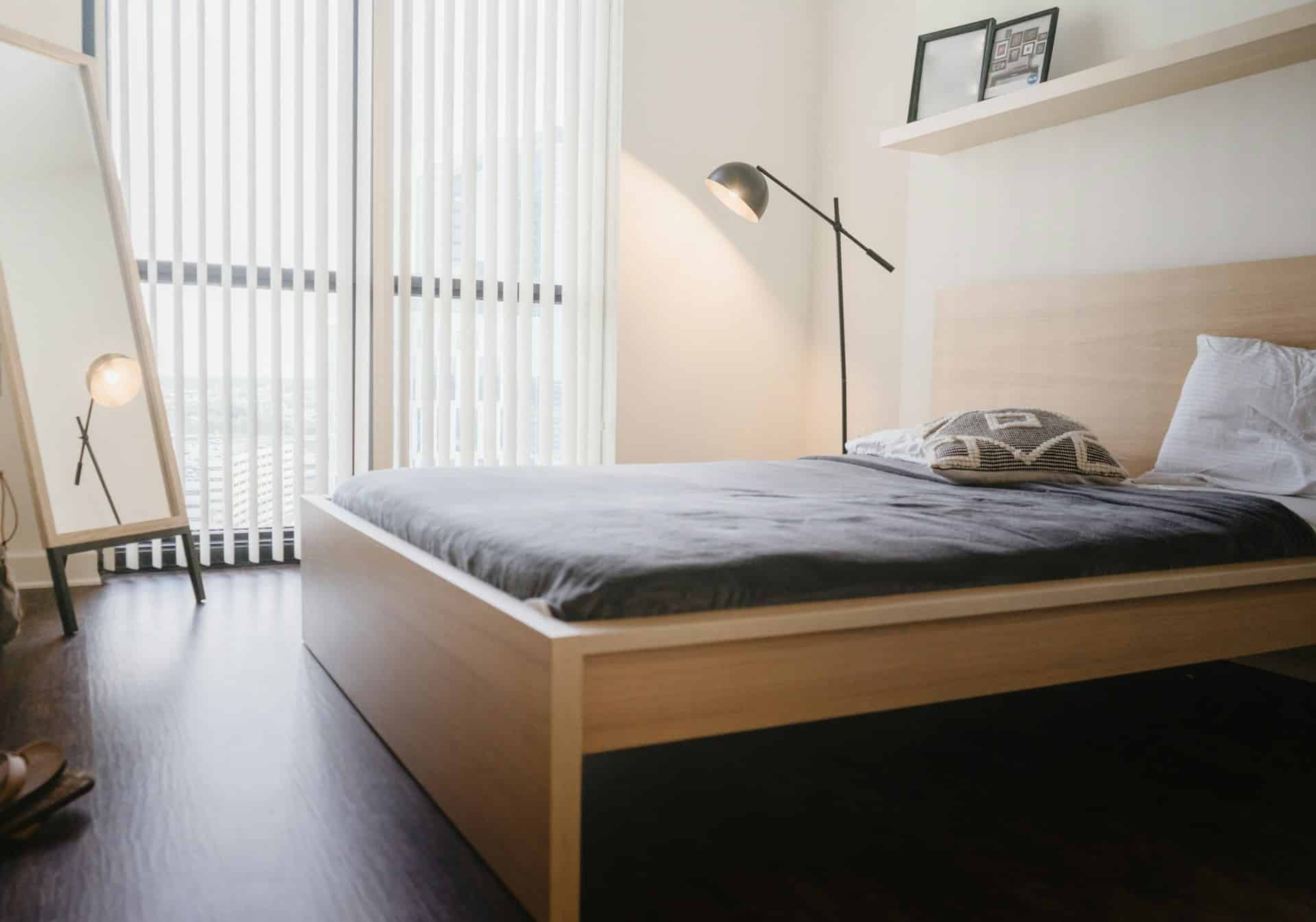
malmo oak bed frame

Choosing the perfect wooden headboard is more than just a design choice; it's about creating a sanctuary in your bedroom that reflects your personality and meets your practical needs.

Whether you're drawn to the timeless elegance of a traditional design or the sleek lines of a modern piece, this guide will walk you through everything you need to know to make the right choice.

Understanding the Role of a Headboard

Historically, headboards served as a barrier against drafts in less insulated homes, providing warmth and comfort. Today, they continue to offer practical benefits, such as supporting your back while sitting up in bed and protecting your walls from wear and tear. A well-chosen headboard can also be the focal point of your bedroom, setting the tone for your entire décor scheme.

Types of Wooden Headboards

  • Traditional Designs: These include panel and slat headboards, known for their classic appeal and versatility. They often feature intricate carvings and rich finishes that add a touch of elegance to any bedroom.
  • Modern Designs: Characterised by clean lines and minimalist aesthetics, modern wooden headboards are perfect for contemporary spaces. They often incorporate mixed materials, such as metal or upholstered panels for added interest.
  • Rustic and Vintage Styles: These headboards emphasise natural textures and aged finishes, ideal for creating a cosy, lived-in feel. Reclaimed wood options are particularly popular for their eco-friendly appeal and unique character.

Choosing the Right Wood

  • Types of Wood: Common choices include oak, known for its strength and grain patterns; pine, which is lighter and often more affordable; walnut, prized for its rich colour; and mahogany, valued for its durability and elegance.
  • Durability and Maintenance: Hardwoods like oak and walnut are more durable and resistant to scratches, while softer woods like pine may require more care. Consider the maintenance level you’re comfortable with when selecting your wood type.
  • Sustainability Considerations: If environmental impact is a concern, look for headboards made from sustainably sourced wood. Certifications like FSC (Forest Stewardship Council) can assure you that the wood is harvested responsibly.


Considering Size and Proportion

  • Bed Size Compatibility: Ensure the headboard is compatible with your bed size, whether it’s a single, double or king. A mismatched headboard can disrupt the room’s balance and functionality.
  • Room Proportion: Consider the size of your room when choosing your headboard. A large, imposing headboard might overwhelm a small space, while a too-small headboard can look out of place in a large room.
  • Visual Impact: The height and width of the headboard can significantly affect the room’s aesthetics. Taller headboards can make a room feel more grandiose, while wider headboards can create a sense of spaciousness.

Style and Design Considerations

  • Matching Bedroom Décor: Your headboard should complement the existing furniture and colour scheme in your bedroom. Consider the style of your bed frame, nightstands, and other elements when making your choice.
  • Customisable Options: Many manufacturers offer customisable headboards, allowing you to choose the finish, colour, and even add details like carvings or paint. This can be a great way to ensure your headboard is truly unique.
  • Trends to Consider: While trends can provide inspiration, it’s important to choose a style that you’ll love for years to come. Classic designs often have more staying power than trendy options.

Functional Features

  • Storage Options: Some headboards come with built-in shelves or compartments, providing additional storage space for books, alarm clocks, or decorative items.
  • Adjustability: Adjustable headboards allow you to change the height or angle, offering more flexibility in terms of comfort and style.
  • Additional Accessories: Consider whether you want your headboard to accommodate reading lights, charging stations, or other accessories. Some designs include built-in features for added convenience.

Budgeting and Cost Considerations

  • Price Range: Wooden headboards can vary widely in price, from budget-friendly options to high-end custom designs. Determine your budget early on to narrow down your choices.
  • Value for Money: Consider the quality and longevity of the headboard when evaluating cost. Investing in a well-made piece can save you money in the long run by avoiding frequent replacements.
  • Where to Buy: Explore a variety of retailers, both in-store and online, to find the best selection and prices. Look for reviews and recommendations to ensure you’re buying from reputable sources.

Installation and Maintenance

  • Installation Tips: Decide whether you’ll install the headboard yourself or hire a professional. Some designs are easier to install than others, so consider your comfort level with DIY projects.
  • Care and Maintenance: Regular cleaning and maintenance can keep your wooden headboard looking new. Dust it regularly and use appropriate wood cleaners to maintain its finish.
  • Troubleshooting Common Issues: Address any wear, scratches, or other issues promptly to keep your headboard in top condition. This might include refinishing or repairing minor damage.

How to Choose the Perfect Wooden Headboard

Choosing the perfect wooden headboard involves balancing style, functionality, and budget. By considering the various aspects outlined in this guide, you can make an informed decision that enhances your bedroom’s aesthetic and meets your practical needs. Explore your options today and transform your bedroom into a stylish and comfortable retreat.